Sunday column
Authentic Thai Mango Sticky Rice
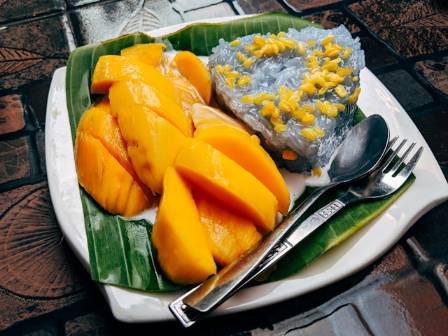
Thai mango sticky rice is a globally adored dessert that combines the tropical sweetness of ripe mangoes with the rich, comforting texture of coconut-infused glutinous rice. Known in Thailand as kao niew mamuang, this dish relies on a delicate balance of sweet and salty flavors. While the classic version is brilliant white, modern variations often feature vibrant, naturally dyed rice.
Rosemary Ellen Griffin
Desk editor
Editor’s note
The full column continues in quiet type below.
Section
Sunday Broadsheet
Thai mango sticky rice is a globally adored dessert that combines the tropical sweetness of ripe mangoes with the rich, comforting texture of coconut-infused glutinous rice. Known in Thailand as kao niew mamuang, this dish relies on a delicate balance of sweet and salty flavors. While the classic version is brilliant white, modern variations often feature vibrant, naturally dyed rice.
Understanding the Components
This traditional treat consists of four essential elements that come together to create a harmonious dish:
-
Sweet Coconut Rice: This is made using long-grain white glutinous rice. The rice is steamed until tender and then soaked in a warm, sweet coconut syrup.
-
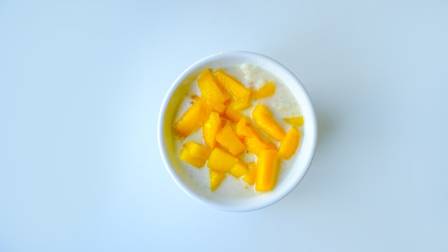
Fresh Mango: The quality of the mango is paramount. In Thailand, honey-sweet varieties like Nam Dok Mai are preferred. In other regions, Manila or Ataulfo mangoes are excellent substitutes.
-
Salted Coconut Sauce: A thick, creamy topping that provides a salty contrast to the sweet rice and fruit.
-
Crispy Mung Beans: Yellow, split mung beans are toasted until crunchy, providing a necessary textural contrast to the soft rice.
Necessary Ingredients
For the best results, specific ingredients are required for each part of the process.
The Sticky Rice
-
Thai Glutinous Rice: Must be long-grain "sweet rice" from Thailand.
-
Coconut Milk: A high-quality, full-fat version is best (avoid light versions or coconut cream).
-
Sugar and Salt: Standard granulated sugar and table salt.
The Toppings and Fruit
-
Thickening Agent: Rice flour or cornstarch is used to give the coconut sauce its body.
-
Mung Beans: Specifically yellow, split, and hulled mung beans.
-
Mangoes: Ensure they are fully ripe, aromatic, and non-fibrous.
Preparation Steps
Crafting the Coconut Rice
The rice must be washed several times until the water is clear, then soaked in room-temperature water for a minimum of 4 hours. Once soaked, drain the rice thoroughly and steam it in a cloth-lined steamer for 20 to 25 minutes.
While the rice steams, prepare the syrup by heating coconut milk, sugar, and salt until the sugar dissolves. When the rice is finished steaming, immediately combine the hot rice with the hot syrup in a bowl. Cover and let it macerate for at least 40 minutes, folding the rice halfway through to ensure even absorption.
Preparing the Salted Sauce and Toppings
To make the sauce, dissolve rice flour in a small amount of water to create a slurry. Combine this with coconut milk and salt in a pot, bringing it to a boil while stirring constantly. Once thickened, let it cool.
For the crunchy topping, soak the mung beans in hot water for 10 minutes, then drain and dry them completely. Toast the dried beans in a lightly greased pan over medium heat until they turn golden brown and become brittle.
Natural Coloring Methods
To create colorful rice, you can infuse the soaking water with natural dyes:
-
Green: Use pandan leaf extract.
-
Blue: Steep dried butterfly pea flowers in hot water.
-
Purple: Add a touch of lime juice to the butterfly pea flower water.
-
Yellow: Dissolve a small amount of turmeric powder in the water.
-
Orange: Use water strained from grated red beets.
Assembly and Service
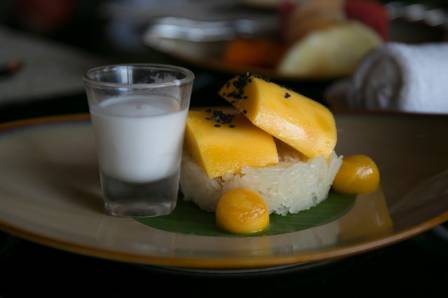
To serve, place a generous portion of the coconut sticky rice on a plate alongside freshly sliced mango. Drizzle the thickened salted coconut sauce over the rice and finish with a sprinkle of crispy mung beans.
Storage and Success Tips
-
Freshness: This dessert is best enjoyed the day it is made, as the rice texture changes when refrigerated.
-
Rice Texture: Always steam the rice rather than boiling it to prevent mushiness.
-
Mango Quality: Never use sour or underripe mangoes; wait until they are soft and fragrant.
-
Reheating: If you have leftovers, microwave the rice with a damp paper towel to restore some of its softness before serving at room temperature.
More from the edition
Column · en
Why Fabric Sofas May Be Better Than Leather
Trying to decide between a fabric or leather sofa? Wondering if a fabric sofa might suit your home better than leather? Both materials have their unique strengths, and the ideal choice depends on your lifestyle, taste, and how you use your living space. In this guide, COZY explores the differences between fabric and leather sofas, highlighting why fabric may be the ultimate choice for comfort, versatility, and easy upkeep.
Column · en
From Award-Winning Designs to Cozy Companions: The Long History of Mechanical Creatures
Assistant Curator Esme Mahoney-Phillips explores the long and surprising heritage of mechanical animals, highlighting notable examples to show that these inventions are far from being a purely modern technological breakthrough.
Column · en
Speed: More Than Just Engineering
In modern times, speed is no longer merely a reflection of mechanical prowess—it has become a statement of identity and prestige. Today’s supercars move far beyond the demands of daily travel, transforming sheer velocity into a luxurious expression of individuality.
Column · en
How to Drink Matcha the Traditional Way and Beyond
Matcha, the bright green powdered tea deeply connected to Japanese tea culture, has become popular worldwide for both its flavor and health benefits. More than just a beverage, matcha represents a long-standing tradition that combines mindfulness, preparation, and taste.
Column · en
How to Wear the Right Tie Every Time
Men’s ties come in countless colours, materials, widths, and designs, which makes selecting the right one both enjoyable and challenging. A well-chosen tie can complete an outfit, add sophistication, and reveal elements of your personal style. Whether you are dressing for business, a formal event, or a casual occasion, the ideal tie should complement your clothing while enhancing your overall appearance.
Column · en
Sprouts Salad: Nutritional Value, Health Benefits, and Easy Recipe
In the pursuit of a balanced, healthy lifestyle, it’s often the simplest foods that deliver the most profound benefits—and sprouts salad stands out as a prime example. These tiny, crisp sprouts, harvested just as seeds begin to germinate, are far more than a crunchy addition to meals; they’re a concentrated source of vitamins, minerals, fiber, and plant-based protein. Unlike fully matured vegetables, sprouts undergo a natural transformation during germination, which breaks down anti-nutrients like phytates, making their nutrients more bioavailable to the body. Whether enjoyed as a light lunch, a side dish, or a topping for wraps and sandwiches, sprouts salad offers a delicious way to boost your nutrient intake without adding excess calories. Its versatility, ease of preparation, and array of health perks make it a staple worth incorporating into any diet, appealing to health enthusiasts, busy professionals, and home cooks alike.