Sunday column
Mastering Cyclamen Care for Lasting Winter Blooms
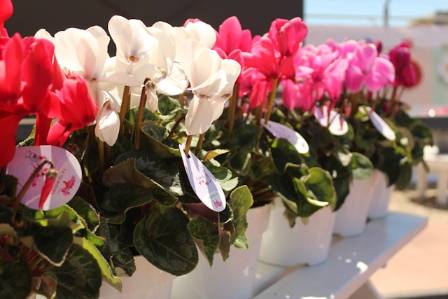
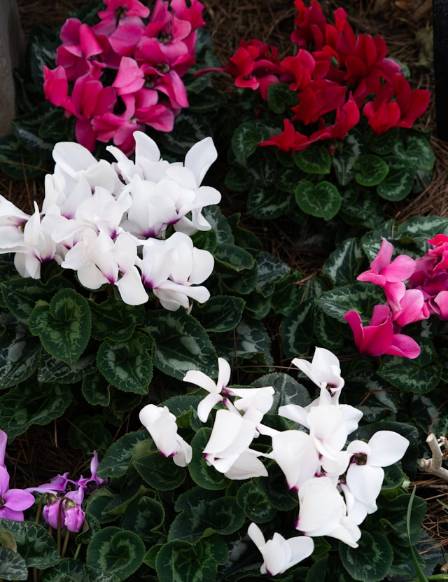
Cyclamen persicum is a charming plant known for its sweet-scented flowers that come in shades of pink, red, white, and purple. These blossoms stand tall above dense, heart-shaped leaves that often feature attractive silver patterns. As a perennial that grows from tubers, this plant follows a unique cycle where it rests during the summer and comes back to life in the autumn. While it is a beloved indoor plant during the winter holidays, owners should be mindful that it is poisonous to humans and pets.
James Michael Carter
Desk editor
Editor’s note
The full column continues in quiet type below.
Section
Sunday Broadsheet
Basics of Growing Cyclamen
When you grow these plants outside, they need ground that drains well and a spot with bright but filtered light. Most people keep the florist variety as an indoor houseplant. It naturally goes through a dormant stage in the summer heat. The timing of this rest period depends on the environment. Cooler homes might keep the plant active longer, while warmer rooms trigger dormancy faster. If it does not go fully dormant, it might just look a bit sparse for a few months without producing flowers.
Proper Lighting for Your Plant
During the active growth months in winter, your plant needs plenty of bright light that is not direct. Direct sun can scorch the delicate petals and cause the leaves to pale. Once summer arrives and the plant enters its resting phase, move it to a darker, cooler area with good airflow. This helps prevent the tuber from overheating or rotting while it prepares for the next growing season.
Ideal Soil Requirements
These flowers flourish in soil that is rich in organic matter and slightly acidic. If you are using a standard potting mix for indoor containers, adding a bit of peat moss can help achieve the desired acidity level. The most important factor is ensuring the soil stays moist but never becomes waterlogged. A loamy texture allows the roots to breathe while holding just enough moisture for the plant to thrive.
Watering Techniques for Health
You should water the plant whenever the top inch of soil feels dry, provided there are green leaves visible. Be very careful not to splash water onto the leaves or the center crown where the stems meet the roots. Excess moisture in these areas often leads to rot and fungal issues. During the summer dormancy, only provide a tiny amount of water occasionally to keep the soil from becoming bone dry. Many successful growers prefer bottom watering, which involves placing the pot in a shallow tray of water for a short time so the roots can soak up moisture from below without wetting the foliage.
Temperature and Air Moisture
Cyclamen dislike high heat and dry air. They thrive when nights are cool, around 40 to 50 degrees Fahrenheit, and days stay between 60 and 70 degrees. Keeping the humidity high is vital during the winter months. You can achieve this by placing the pot on a tray of pebbles and water, ensuring the bottom of the pot stays above the water level so it does not sit in liquid. If you moved your plant outside for the summer, bring it back in before the first autumn chill hits to avoid shocking the system.
Feeding Your Cyclamen
Use a liquid fertilizer that is low in nitrogen and dilute it to half the recommended strength. Feed the plant every two weeks while it has full foliage and is actively producing buds. There is no need to provide any nutrients during the summer when the plant is resting. Once the blooming season ends and the plant begins to yellow, stop the feeding schedule entirely until new growth appears in the fall.
Popular Varieties to Consider
You can find many different versions of this plant to suit your home. The Sierra group is known for having large blossoms in a wide range of colors from scarlet to lilac. The Scentsation variety is prized for its particularly strong and pleasant perfume, making it a favorite for living rooms. Another interesting option is the Victoria variety, which produces white flowers with unique ruffled edges and red highlights that add a touch of elegance to any indoor garden.
Maintenance and Pruning
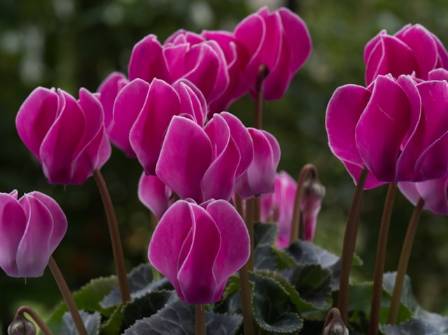
Keeping the plant tidy is simple and helps prevent disease. Just pull away any leaves that turn yellow or die off by tugging the stem firmly at the base. You should also remove old flowers and seed pods. This practice not only keeps the plant looking neat but also directs the plant's energy toward creating new buds, which can help the blooming season last much longer than usual.
How to Propagate New Plants
Growing new plants from cuttings is quite difficult because the stems do not root easily. The most effective method is to divide the underground tuber. During the summer dormancy, take the plant out of its pot and look for small baby tubers or growth points. Carefully cut the tuber into sections, making sure each piece has at least one growth eye. Plant these pieces in a fresh, well-draining mix so the tops are just visible. Keep them in a cool, dark place and start watering normally once autumn arrives to stimulate new leaf development.
Potting and Repotting Guidelines
Choose a container that provides about an inch of extra space around the central tuber. The top of the tuber should sit slightly above the soil line rather than being buried deep. It is best to repot every two years during the summer rest period. Move the plant into a slightly larger pot with fresh soil to replenish lost nutrients. Keep the pot in a dry, sheltered spot until September, which is when you can begin regular watering again to wake the plant up.
Managing Common Plant Problems
Overwatering is the biggest threat to these plants as it invites pests and diseases. Tiny mites can hide between the leaves and cause them to curl or look distorted. If you notice a gray fuzzy mold on the leaves, it is likely a fungus caused by high moisture and poor air circulation. Drooping leaves usually mean the plant is getting too much water or is sitting in a drafty area. Other pests like aphids or caterpillars may occasionally appear and should be handled by removing them manually or using a gentle organic spray.
Encouraging Beautiful Flowers
A healthy plant can stay in bloom for up to eight weeks during the peak winter season. To help it produce more flowers, use the right fertilizer and remove spent blossoms promptly. When you remove a dead flower, make sure to take the entire stem all the way down to the base. This prevents any decay from reaching the tuber and encourages the plant to continue its flowering cycle rather than putting energy into seed production.
Care Throughout the Seasons
In the winter, focus on providing bright light and careful watering as the plant reaches its peak beauty. As spring begins and the flowers fade, the plant will naturally start to look tired. This is the signal to stop watering and let the leaves turn yellow and fall off. During the summer, keep the pot in a sheltered, shaded area and resist the urge to water it frequently. Once the weather cools down in the fall, return it to a bright spot and start watering again to wake up the dormant tuber for another year of color.
More from the edition
Column · en
Beautiful and Deserted Roads in the US
Road trips can bring to mind everything from bumper-to-bumper traffic and roaring semitrucks to peaceful stretches of countryside. Yet the popularity of U.S. National Scenic Byways suggests that many travelers would rather spend their time enjoying beautiful landscapes without dealing with heavy traffic. In fact, some of the country's most impressive roads are also among its least crowded.
Column · en
Tiramisu Unveiled: Fascinating Insights into Italy’s Iconic Coffee Dessert
Tiramisu is a globally celebrated Italian sweet known for its rich coffee flavor and luxurious layers. While it is a staple in Italian cuisine, the dessert is a subject of much debate regarding its true heritage. Traditionally, the dish is constructed by soaking porous sponge cakes, such as ladyfingers, in potent espresso. These are then layered with a velvety mixture of mascarpone cheese and zabaglione—a whipped custard typically flavored with Marsala wine. A final dusting of bitter cocoa powder or chocolate shavings provides the perfect contrast to the creamy interior.
Column · en
How to Revive a Dehydrated Tree: A Guide to Rehydrating Underwatered Trees
Trees, like all living plants, rely on a consistent supply of water to grow, maintain health, and perform photosynthesis. When a tree goes without moisture for too long, it becomes parched and may exhibit signs of serious stress. Helping such a tree recover involves more than just splashing water at its base—it requires a targeted approa
Column · en
The Rise of Sandboarding: From Niche Sport to Mainstream Attraction
The roots of sandboarding extend back centuries, though its exact birthplace remains uncertain. Many believe it first appeared in ancient Egypt or Peru, where wooden boards were used to slide down dunes for fun or even as a practical means of travel. Egyptians often incorporated sand sliding into festivals and public celebrations, while Peruvians harnessed it to navigate their desert terrain.
Column · en
5 Unique Ways to Style Women’s Sleepwear in 2026
Gone are the days when sleepwear was reserved solely for bedtime—today, it’s a full-fledged fashion trend. Whether you’re lounging at home, heading out for a casual brunch, or running quick errands, your favorite sleepwear pieces can seamlessly transition into stylish daytime outfits in 2026.
Column · en
Are Flavored Sparkling Waters Bad for You? The Science Behind Bubbly Drinks
Sparkling water has become a ubiquitous beverage in recent years, capturing the attention of health-conscious consumers and casual drinkers alike. By 2020, the global sparkling water market had surged to a staggering $29 billion, a testament to its popularity as a seemingly guilt-free alternative to sugary sodas and sweetened beverages.1 With zero calories, no added sugars, and a refreshing fizz, it’s easy to see why many people view sparkling water as a healthy choice. However, when flavors like lemon, grapefruit, or berry are added, the narrative becomes more complex. To unpack whether flavored sparkling waters are truly good for you, we turn to expert insights from Sean Hashmi, MD, a physician and regional director of weight management and clinical nutrition for Kaiser Permanente Southern California, who breaks down the key considerations—from carbonation’s effects to the hidden risks of artificial sweeteners and the truth behind “natural flavors.”