Sunday column
Everything You Need to Know Before Visiting Antelope Canyon
This guide shares key information and personal experience about visiting Antelope Canyon in Page, Arizona, along with practical tips to help you prepare for a trip to these famous slot canyons.
Dominic Hayes
Desk editor
Editor’s note
The full column continues in quiet type below.
Section
Sunday Broadsheet
This guide shares key information and personal experience about visiting Antelope Canyon in Page, Arizona, along with practical tips to help you prepare for a trip to these famous slot canyons.
My Visit Experience
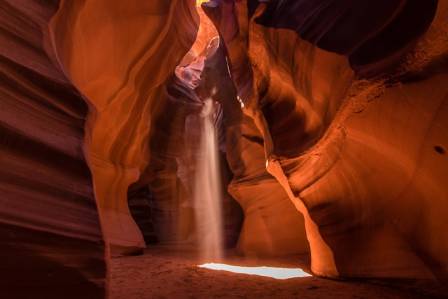
I joined a scenic tour of Upper Antelope Canyon that lasted about one hour in total, including transport time. Inside the canyon itself, the walk was closer to 40 minutes. Our group had around a dozen people.
We paused frequently along the route—every few steps—for photography and brief explanations from the guide, usually lasting a minute or two each stop. After finishing the route, we exited the same way we entered and returned to the tour office.
I visited in January, so temperatures were quite low and the sunlight was not as intense as in summer. Even so, the experience was memorable, and I still hope to explore Lower Antelope Canyon in the future.
Where Antelope Canyon Is Located
Antelope Canyon lies on Navajo Nation land near Page, Arizona, roughly 10 miles from both Horseshoe Bend and Lake Powell. The surrounding landscape is remote, filled with desert plains and red rock formations.
Page itself has basic infrastructure, including hotels, restaurants, and grocery stores. However, it is not a luxury destination—most accommodations are simple and functional, designed mainly for visitors exploring the canyon region. Dining options are also modest rather than upscale.
Do You Need a Tour?
Visiting Upper and Lower Antelope Canyon is only possible through authorized Navajo Nation tour operators. The canyons are protected areas and are not open for independent entry.
Guided tours also enhance the experience, as guides share stories, history, and interesting facts while leading visitors through the narrow sandstone corridors. If you prefer a self-guided slot canyon experience, alternatives such as Buckskin Gulch may be considered.
How to Reach the Canyon
After meeting your tour group at the operator’s base, you will typically be driven about 10 minutes toward the canyon entrance. The final stretch involves sandy, unpaved roads that create a very dusty ride.
It is strongly recommended to bring protection such as a face covering or mask if you are sensitive to dust. Sunglasses are also helpful. Keep cameras and phones secured in a bag to avoid damage, as fine sand can get everywhere during the drive.
Types of Tours Available
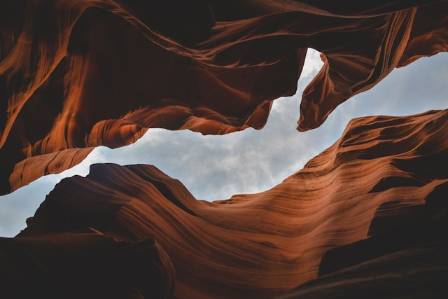
There are generally two main tour options for Upper Antelope Canyon (and similarly for Lower Antelope Canyon): the standard scenic tour and the photography tour.
The scenic tour is shorter and designed for general sightseeing with quick photo stops. The photography tour costs more but allows significantly more time inside the canyon, making it better suited for those focused on capturing high-quality images.
Time slots also vary in price, especially during peak sunlight hours when light beams may appear in the canyon. While visually impressive, these conditions are not essential to enjoy the visit.
Ticket Prices
Antelope Canyon is not free to visit. Prices vary depending on the canyon and tour type. Upper Antelope scenic tours generally start around $60–$75 per adult, while photography tours can reach approximately $125. Lower Antelope Canyon is usually slightly less expensive, starting around $50.
Upper vs Lower Antelope Canyon
Upper Antelope Canyon tends to be more popular and receives more visitors. It also allows more sunlight to enter, which makes it especially well-known for photography.
Lower Antelope Canyon is typically less crowded and offers a quieter experience, although it can feel more physically demanding due to stairs and uneven terrain. Upper Antelope, by contrast, is mostly flat and easier to walk through.
Both locations offer striking natural beauty, and the choice depends on whether you prefer accessibility or fewer crowds.
Is It Worth Visiting?
The experience depends on expectations. Visiting both Upper and Lower Antelope Canyon at least once is highly rewarding, as they are among the most visually unique natural formations in the United States.
However, it may not be necessary to return repeatedly, especially considering cost and crowds. Other slot canyons in the region may offer more freedom for exploration.
Booking in Advance
Tours can sell out quickly, even outside peak seasons. It is recommended to book several days in advance, particularly if your travel schedule is limited.
Lower Antelope Canyon may have slightly more same-day availability, but relying on last-minute bookings is still risky.
Photography and Gear Tips
Photography rules depend on your tour type. Photography tours allow tripods and backpacks, which are very useful for low-light conditions inside the canyon.
Standard tours do not allow tripods and provide limited time for adjusting camera settings. A camera or phone with strong low-light performance is essential. Flash photography is not allowed.
Guides are often willing to take photos for visitors, which can be helpful if you are traveling alone.
What to Wear
Clothing should match the season. In winter, temperatures inside the canyon can be cold, so warm layers such as jackets, long pants, and closed shoes are recommended. In summer, lighter clothing is suitable, but protection from dust and sun is still important.
Comfortable, closed-toe footwear is ideal year-round due to sandy and uneven terrain.
Photo Strategy and Canyon Etiquette
Tour groups operate in timed intervals, and photography is carefully managed to avoid overcrowding in narrow passages.
Visitors are usually asked to take photos only while moving forward through the canyon, not on the return path. A helpful approach is to turn around frequently while walking forward to capture shots in both directions.
Crowds and Expectations
Antelope Canyon is rarely empty. Multiple tour groups may be inside the canyon at the same time, each containing several people.
Despite this, guides coordinate movement efficiently to create brief moments where sections feel relatively open for photography. While not secluded, the experience remains well-organized.
Final Advice
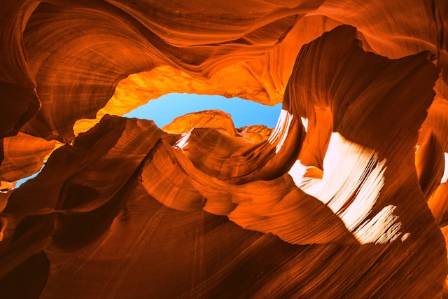
Dressing appropriately, booking early, and preparing for dust and crowds will significantly improve your experience. Whether visiting Upper or Lower Antelope Canyon, the unique light, color, and formations make it one of the most memorable natural attractions in the American Southwest.
More from the edition
Column · en
Mastering Bike Transportation: A Guide for Every Enthusiast
As bike parks and forest trail centers open their doors, the question arises: How can you transport your bike safely and securely on or in your car? Let's delve into various options, examining the advantages and drawbacks of each. It's crucial to adhere to safety guidelines, including weight limits and proper installation, regardless of the method chosen.
Column · en
Top 10 Most Dependable Vans
Dependability is a crucial factor when it comes to commercial vehicles. Ensuring that your vehicle maintains top-notch performance is key to the ongoing success of your business. Below, we’ve compiled a list of the most reliable vans currently available in the UK, which are part of the reason Vanwise is known for offering great value in vans for sale. Take a look at the list and reach out to our sales team for more information.
Column · en
The 10 Most Famous Pieces of Street Art in the World
Street art emerged in 1960s Philadelphia, USA, fueled by the creative drive of pioneering artists like Cornbread and Cool Earl. Long dismissed as a lesser art form, this genre encompasses everything from wall tags and public transit murals to building-scale pieces. Though often unauthorized and transient—easy to paint over or remove—street art has nonetheless captured the imagination of countless creators and admirers. At its core, it seeks to make art accessible and visible to the masses, serving as a vehicle for profound messages that spark reflection. Today, some street artworks command million-dollar price tags and stand as celebrated masterpieces. Artsper highlights 10 of the most iconic street art pieces across the globe.
Column · en
Gooderham Tower, Canada’s Most Iconic Flatiron
Often called Toronto’s Flatiron Building, the Gooderham Building stands as one of the city’s most cherished landmarks. Located at the junction of Wellington Street and Front Street, it displays remarkable architectural design while also reflecting the legacy of a leading Toronto family that played a major role in the region’s industrial development.
Column · en
Top 5 Best Off-Road Motorcycles
Riding off-road isn’t just about speed—it’s about freedom, adrenaline, and the thrill of exploring untamed trails. From steep rocky climbs to sandy paths, the right motorcycle transforms the experience. Picking the perfect bike depends on your style, skills, and terrain. Here’s a look at five standout models and the essentials to consider before your next adventure.
Column · en
Building Dimension and Realism: Vital Techniques for Watercolor Landscape Painters
Capturing the natural world through watercolor is a pursuit defined by an appreciation for atmospheric clouds, the nuances of natural light, and the rhythmic transition of the seasons. The outdoors offers infinite inspiration, but translating the vastness of a three-dimensional environment onto a flat sheet of paper requires a strategic approach. To emulate the beauty of the world effectively, artists must master the balance between technical skill and thoughtful preparation.