Sunday column
Himeji Castle: Japan’s Elegant White Heron
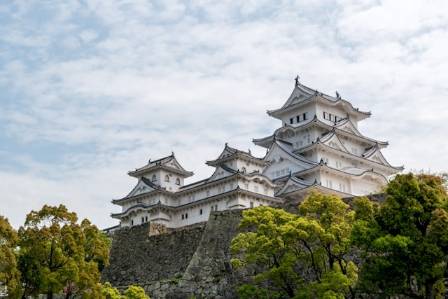
Himeji Castle, often referred to as the “White Heron Castle,” rises gracefully from its hilltop setting like a bird ready for flight. It is widely regarded as one of Japan’s most beautiful and best-preserved castles, famous for its brilliant white exterior and refined traditional architecture. Visitors who join tours of Japan can explore its wooden interiors, winding pathways, and historic grounds once walked by samurai, feudal lords, and scholars. The atmosphere carries a strong sense of history, allowing travelers to experience the cultural depth of Japan in a truly immersive way.
Jack Morgan
Desk editor
Editor’s note
The full column continues in quiet type below.
Section
Sunday Broadsheet
Himeji Castle, often referred to as the “White Heron Castle,” rises gracefully from its hilltop setting like a bird ready for flight. It is widely regarded as one of Japan’s most beautiful and best-preserved castles, famous for its brilliant white exterior and refined traditional architecture. Visitors who join tours of Japan can explore its wooden interiors, winding pathways, and historic grounds once walked by samurai, feudal lords, and scholars. The atmosphere carries a strong sense of history, allowing travelers to experience the cultural depth of Japan in a truly immersive way.
What Makes Himeji Castle Special
Himeji Castle, also known as Himeji-jo, earned its nickname due to its striking white plaster walls that resemble the feathers of a white heron. Positioned on elevated terrain, the structure has stood for centuries. Although its origins date back to 1346, the castle underwent major reconstruction in the early 17th century, shaping the form seen today.
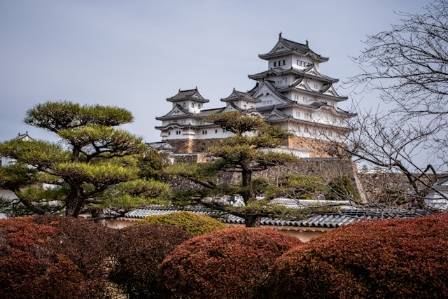
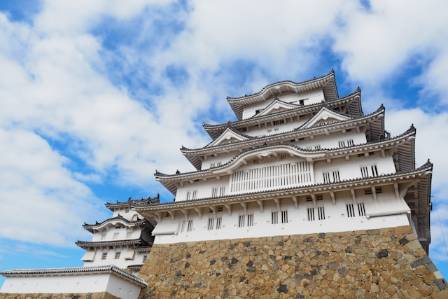
Built mostly from wood, it is the largest and most well-preserved surviving feudal castle in Japan. The complex includes more than 80 interconnected buildings linked by maze-like corridors and defensive routes. Its multi-tiered central keep, designed in a pagoda style, dominates the skyline. Because of its architectural beauty and cultural importance, Himeji Castle was registered as a UNESCO World Heritage Site in 1993.
Inside the Otemon Gate area, visitors can find a spacious courtyard lined with trees that becomes especially stunning during cherry blossom season. This makes it one of the most popular spring destinations in Japan, particularly for those joining seasonal travel routes through Kyoto and Tokyo.
Location of Himeji Castle
Himeji Castle is located in Hyogo Prefecture, a region in western Japan situated between Kyoto and Okayama. It overlooks the city of Himeji and sits close to the southern coastline, roughly an hour away from Kobe. Thanks to its convenient position, it is often visited as a day trip from nearby major cities such as Kyoto or Kobe.
Travelers often include it in Japan itineraries, including tours that pass through Kyoto or optional excursions from Kobe. Many visitors describe it as one of the most memorable historical landmarks in the region due to its scale and preservation.
Fascinating Facts About Himeji Castle
Himeji Castle is not only visually impressive but also rich in history and legend.
It is one of the rare Japanese castles that has never been destroyed by war or natural disasters. Even during World War II, when surrounding areas were bombed, the castle survived unharmed after an unexploded bomb landed within its grounds. Its white plaster coating is believed to have helped protect the structure from fire as well as giving it its iconic appearance.
The castle was also designed with advanced defensive strategies. Its interior layout features confusing pathways intended to slow down intruders and make navigation difficult. Hidden chambers, narrow passages, and trap-like features such as drop points for stones were incorporated into its structure to strengthen its defenses.
A well-known local legend is the story of Okiku and the well. According to the tale, a servant named Okiku was falsely accused of damaging valuable plates and was thrown into a castle well as punishment. It is said that her spirit still appears, endlessly counting plates and stopping at nine before crying out and restarting. The well associated with this story can still be visited today.
The castle has also appeared in international media, including films such as the James Bond movie You Only Live Twice, and earlier television productions inspired by historical narratives set in Japan.
Important Visitor Information
Inside the castle, visitors are required to remove their shoes in certain areas to protect the wooden floors. Shoe bags are provided at the entrance. Because the surfaces can be smooth and slightly slippery, many guests prefer wearing thick socks or using indoor slippers when available.
The interior of the castle is intentionally simple, reflecting traditional Japanese architectural style. Unlike European castles, it contains very few furnishings, allowing visitors to focus on structural design, craftsmanship, and historical atmosphere.
Climbing to the upper levels rewards visitors with increasingly wide views of the surrounding city and castle grounds. From the top floor, panoramic scenery stretches across Himeji, and decorative roof elements shaped like mythical fish can also be seen, believed to protect the structure from fire.
Because the visit involves walking and climbing, it is best to allow enough time to explore both the castle and its surroundings without rushing.
Attractions Around Himeji Castle
The area around Himeji Castle offers several cultural and scenic experiences worth exploring.
Kōko-en Garden is located directly beside the castle and is designed in the style of an Edo-period landscape. Opened in 1992, it consists of multiple enclosed garden sections, each reflecting traditional Japanese landscaping styles. The garden is carefully maintained to showcase seasonal beauty throughout the year, from cherry blossoms in spring to colorful foliage in autumn.
Another popular excursion is the Mount Shosha Ropeway, which leads to the Engyoji Temple complex. This historic mountain temple dates back more than a thousand years and features wooden halls set in a quiet forest environment. Its scenic and traditional appearance has made it a filming location for various productions, including The Last Samurai.
The surrounding city of Himeji is also known for its traditional food culture. Local confectionery production has a long history dating back to the Edo period, resulting in a variety of sweets such as handmade pastries and bean-based desserts. In addition, the region is home to several sake breweries that produce distinctive local varieties, adding another layer of cultural richness to the area.
More from the edition
Column · en
Mastering the Thousand-Layer Cake: A Step-by-Step Guide
Have you ever longed for a dessert that feels endless in its delight? Enter the Thousand-Layer Cake, a sumptuous creation that pleases both the eyes and the taste buds. This cake is composed of ultra-thin layers of tender pastry that practically dissolve in your mouth, often complemented by rich creams or custard fillings. Believed to have roots in Asia and adored worldwide, the Thousand-Layer Cake represents indulgence, artistry, and tradition. It’s more than a dessert—it’s a celebration in every slice!
Column · en
7 Habits That Can Transform Women's Lives for the Better
Are you seeking greater joy and fulfillment in your life? Do you aspire to embody the best version of yourself? If so, this blog post offers valuable insights tailored just for you! At times, we may find ourselves yearning for more, wishing to reshape our lives for the better. This article presents seven positive habits that can significantly enhance your satisfaction and happiness.
Column · en
From Popcorn Machine Mishaps to Dreamy Retreats: 5 Proven Hacks to Maximize Small Bedrooms
Years back, I worked with a client who requested a popcorn maker be installed directly next to their bed. The buttery aroma was a delight at first—until it started disrupting sleep night after night. Talk about a lesson learned! Designing compact bedrooms forces you to think outside the box, and today I’m sharing five tried-and-ttrue decorating strategies from my real-world projects that can turn even the tiniest sleeping spaces into spacious, welcoming personal retreats. No popcorn machines included—promise.
Column · en
Black Swan: The World’s Only Completely Black Swan
The Black Swan (Cygnus atratus) is the only swan species in the world with an almost entirely black-colored body.
Column · en
10 Facts About Ducks
Ducks belong to the Anatidae family, along with swans and geese. They are smaller and have shorter necks than swans, but humans have long relied on them for feathers, eggs, and meat.
Column · en
Fundamentals of Clay Modeling: A Beginner's Guide to Sculpting
Engaging with three-dimensional art provides a unique and rewarding creative challenge. Sculpting with clay is an excellent way to broaden your artistic horizons, though the medium can feel intimidating for those working from a home studio for the first time. By understanding the different materials available and mastering a few foundational techniques, you can successfully transition from two-dimensional sketches to physical forms.