Sunday column
List: Tallest TV Broadcasting Towers in the World
TV broadcast and sightseeing towers are remarkable man-made structures known for their towering heights and distinctive designs. While their primary function is signal transmission, many of these towers feature public observation decks and restaurants at the upper levels, making them popular tourist attractions. In many cities, they serve as iconic landmarks, defining the skyline.
Ross
Desk editor
Editor’s note
The full column continues in quiet type below.
Section
Sunday Broadsheet
1. Tokyo Skytree
-
Total Height: 634 meters
-
Roof Height: 494 meters
-
Observation Decks: 450 meters & 350 meters
-
Completed: 2012
-
Location: Tokyo, Japan
2. Canton Tower
-
Total Height: 597 meters
-
Roof Height: 454 meters
-
Observation Deck: 488 meters
-
Completed: 2011
-
Location: Guangzhou, China
3. CN Tower
-
Total Height: 553.3 meters
-
Roof Height: 457 meters
-
Observation Decks: 446 meters & 346 meters
-
Completed: 1976
-
Location: Toronto, Canada
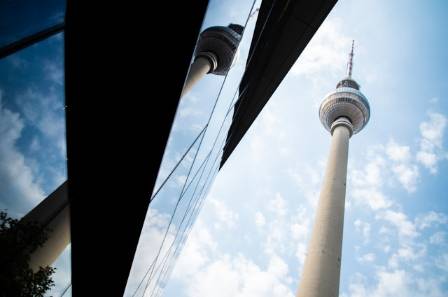
4. Ostankino Tower
-
Total Height: 540 meters
-
Roof Height: 385 meters
-
Observation Deck: 337 meters
-
Completed: 1967
-
Location: Moscow, Russia
5. Oriental Pearl Tower
-
Total Height: 468 meters
-
Roof Height: 360 meters
-
Observation Decks: 351 meters & 263 meters
-
Completed: 1993
-
Location: Shanghai, China
-
Note: A symbol of modern Shanghai, its observation decks are among the city's top tourist attractions.
6. Milad Tower
-
Total Height: 435 meters
-
Roof Height: 314 meters
-
Observation Deck: 312 meters
-
Completed: 2007
-
Location: Tehran, Iran
7. Menara Kuala Lumpur Tower
-
Total Height: 421 meters
-
Roof Height: 315 meters
-
Completed: 1996
-
Location: Kuala Lumpur, Malaysia
8. Tianjin Radio & Television Tower
-
Total Height: 415 meters
-
Roof Height: 302 meters
-
Completed: 1991
-
Location: Tianjin, China
9. Central Radio & TV Tower
-
Total Height: 405 meters
-
Roof Height: 262 meters
-
Observation Decks: 238 meters & 225 meters
-
Completed: 1992
-
Location: Beijing, China
10. Henan Province TV Tower
-
Total Height: 388 meters
-
Roof Height: 285 meters
-
Completed: 2010
-
Location: Zhengzhou, China
More from the edition
Column · en
5 Fun Facts About Clownfish
Clownfish are famous for their vibrant colors and lively personalities, making them one of the most beloved aquarium fish around the world. Here are five fascinating facts about these colorful marine residents.
Column · en
Pronghorn: Racers on the Great Plains
Badlands National Park provides a home for the pronghorn, which is sometimes called the pronghorn antelope. Despite its nickname, the pronghorn is not actually a true antelope. However, it shares several characteristics with genuine antelopes found in Africa and Asia. These similarities are the result of convergent evolution, in which unrelated animals independently develop comparable traits because they face similar environmental conditions. The pronghorn is the only surviving species in the family Antilocapridae, and its closest living relatives are actually giraffes.
Column · en
8 Types of Orioles to Spot Across the United States
The term “oriole” traces back to a Latin word meaning “the golden one.” Though the name was first given to an unrelated group of birds in Europe, Asia, and Africa, it fits American orioles perfectly. These birds are part of the blackbird family—alongside grackles, red-winged blackbirds, and meadowlarks—and share the family’s characteristic sharply pointed beaks.
Column · en
Seafood Recipes for an Elegant Dinner
Seafood has long been connected with elegant dining, and it’s not difficult to understand why. Its delicate flavor, rich texture, and versatility make it an excellent choice for refined meals. Whether you are planning a festive celebration or simply treating yourself to something special, seafood dishes can instantly make dinner feel more sophisticated.
Column · en
Honoring Luminous Splendor: Iconic Sunflower Masterpieces by Distinguished Painters
Sunflowers have occupied a prestigious position in the history of art for centuries, frequently serving as emblems of happiness, life force, and the sheer elegance of the natural world. A multitude of legendary painters have been mesmerized by the magnetic pull of these blooms, producing seminal works that continue to motivate and cheer audiences today. This exploration delves into several of the most celebrated sunflower depictions, highlighting the technical mastery of the creators and the timeless appeal of these sun-drenched flora.
Column · en
Fascinating and Unique Insights Into the World of Penguins
Penguins are among the most recognizable and intriguing birds on the planet. While they are often associated with the icy landscapes of the poles, their history, biological adaptations, and social behaviors reveal a much more complex and surprising story.