Sunday column
The Art of Italian Pasta Making
Explore dough's artistry—pasta, noodles, pancakes, and dumplings craft a delicious masterpiece.
Cameron Hayes
Desk editor
Editor’s note
The full column continues in quiet type below.
Section
Sunday Broadsheet
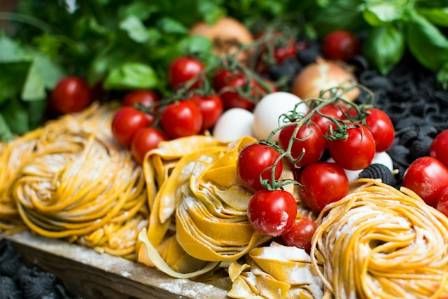
In the realm of culinary delights, pasta, once considered a humble dish, has often been overlooked in favor of more sophisticated fare. However, it's time to delve into the world of pasta, exploring the nuances of dough preparation, distinguishing between fresh and dry varieties, unraveling optimal cooking times, and understanding the water-to-pasta ratio for that perfect texture. Let's commence with a fresh pasta recipe.
Ingredients:
- 2 cups of pizza flour (250 grams) or all-purpose flour
- 2 large eggs (approximately 110 grams)
- 4 egg yolks (about 70 grams)
- Salt, to taste
Instructions:
- Combine all ingredients in a mixing bowl using a flat beater until a smooth, uniform dough is obtained. If kneading on a flat surface, create a well in a flour mound, pour egg yolks into it, and knead circularly until a uniform dough forms. Adjust with additional flour if the dough is too sticky.
- Wrap the dough in plastic wrap and let it rest for at least 30 minutes at room temperature.
- Divide the dough into four portions, rolling each to a 3-millimeter thickness using a pasta machine or rolling pin.
- Shape the dough and cook in boiling water for 2-3 minutes.
- Repeat the process with remaining dough portions.
- Serve with your preferred sauce.
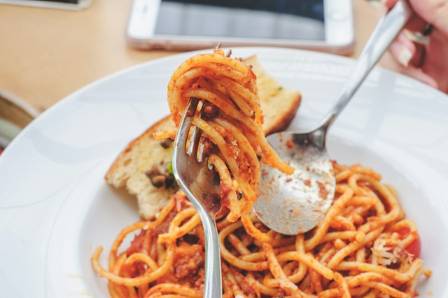
Now, a brief exploration into the scientific aspects of pasta:
Noodles made their debut over 4,000 years ago in China, finding their way into the culinary landscapes of Asia and Europe. While China and Italy embraced the culinary potential of wheat flour and water, their journeys led them on distinct paths.
In Italy, gluten-rich durum wheat paved the way for creating stable, protein-rich pasta. This pasta could be dried, stored indefinitely, and shaped into various forms, becoming a cornerstone of Italian cuisine. Italy cultivated an entire culinary industry around pasta, with diverse shapes and styles. In China, where wheat is low in gluten, culinary artisans specialized in crafting long, unadorned noodles, perfect for dipping into savory soups.
The term "pasta" in Italian translates to "dough" or "paste," reflecting its simple composition of wheat flour and water. The appeal of pasta lies in its delicate, moist texture and neutral flavor, serving as a versatile canvas for various ingredients and sauces.
The main ingredient in pasta is flour, predominantly comprising starches and proteins. Gluten proteins, specifically glutenins and gliadins, form an elastic network, imparting flexibility to the dough. The choice of flour is crucial, and semolina flour from durum wheat is favored for pasta making. Coarse milling preserves proteins' original shape and minimizes damage to starch clusters.
Fresh vs. dried pasta hinges on flour type. Dry pasta, made from semolina flour and water, undergoes high-temperature drying, resulting in a hard, brittle texture with an extended shelf life. Fresh pasta, enriched with eggs, offers a pliable, easy-to-knead dough. Egg yolks contribute color, flavor, and a silky texture, counterbalanced by the strength of egg whites, enhancing the gluten network.
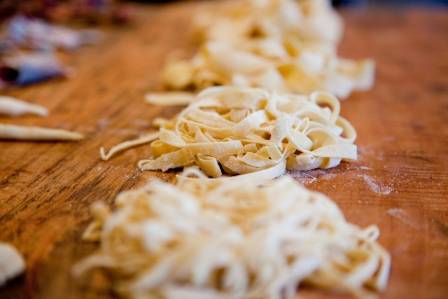
Cooking pasta involves boiling it in water, leading to starch granules' swelling and protein network expansion. The transformative process renders pasta 'al dente,' slightly chewy due to intact starch granules and a resilient protein network. The recommended water-to-pasta ratio is approximately 1:10, ensuring adequate hydration and starch dilution. Continuous boiling prevents clumping, and adding salt enhances pasta flavor.
Now equipped with insights into pasta preparation, it's time to embark on a culinary journey, creating homemade pasta and savoring the delightful interplay of flavors. Buon Appetito!
More from the edition
Column · en
The Definitive Manual for Selecting the Ideal Men’s Shirt
The shirt serves as the fundamental building block of a man's wardrobe. Consequently, identifying the precise dimensions and silhouette is essential to making a successful purchase. Given the vast array of aesthetic variations, selecting the perfect piece requires an understanding of how style choices influence the final look. This guide provides a strategic overview to help you navigate your next acquisition.
Column · en
Monkeys: Curious Minds of the Canopy
Primates Among the Trees and Beyond Monkeys—those quick-footed, intelligent creatures of the tropics—occupy an astonishing range of environments. Most are born for life in the trees, while others, like baboons and macaques, have adapted to life on the ground. New World monkeys swing through the forests of the Americas, while their Old World cousins roam across Asia and Africa. Sadly, many of these species now face serious threats to survival. More Than Just Primates
Column · en
Common Kingfisher
The Common Kingfisher is among the most dazzling and cherished birds inhabiting rivers, lakes, and wetlands. Its brilliant plumage, swift diving techniques, and patient fishing behavior make it a favorite for birdwatchers and wildlife photographers alike. Despite its small stature, this bird demonstrates impressive skill, intelligence, and adaptability, distinguishing it from many other freshwater species.
Column · en
From Popcorn Machine Mishaps to Dreamy Retreats: 5 Proven Hacks to Maximize Small Bedrooms
Years back, I worked with a client who requested a popcorn maker be installed directly next to their bed. The buttery aroma was a delight at first—until it started disrupting sleep night after night. Talk about a lesson learned! Designing compact bedrooms forces you to think outside the box, and today I’m sharing five tried-and-ttrue decorating strategies from my real-world projects that can turn even the tiniest sleeping spaces into spacious, welcoming personal retreats. No popcorn machines included—promise.
Column · en
Beautiful and Deserted Roads in the US
Road trips can bring to mind everything from bumper-to-bumper traffic and roaring semitrucks to peaceful stretches of countryside. Yet the popularity of U.S. National Scenic Byways suggests that many travelers would rather spend their time enjoying beautiful landscapes without dealing with heavy traffic. In fact, some of the country's most impressive roads are also among its least crowded.
Column · en
Ultimate Guide to the Stunning Sky High Adventures in Lujiazui Shanghai
Welcome to the dazzling core of the financial hub of Shanghai, where the spectacular cityscape serves as an incredible display of contemporary design and technological advancement. When you arrive in this energetic neighborhood, you will encounter a magnificent collection of soaring structures that define the city line while showcasing incredible engineering ambition. From the grand twisting mega towers to the distinctive spherical structures, this destination remains an essential stop for anyone wanting to see the absolute finest sights in the region.