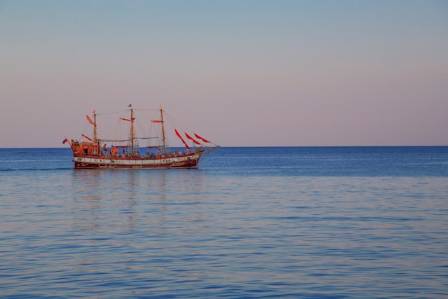
Sunday column
The perfect boat
Selecting a boat for ocean cruising is a major decision that deserves careful consideration. I have explored this subject during numerous rallies and spoken with hundreds of skippers about their experiences. Almost every sailor has a different opinion about which boat is ideal and the reasons behind that choice, yet surprisingly few people question just how important it is to select the right vessel from the beginning.
Logan Hayes
Desk editor
Editor’s note
The full column continues in quiet type below.
Section
Sunday Broadsheet
Selecting a boat for ocean cruising is a major decision that deserves careful consideration. I have explored this subject during numerous rallies and spoken with hundreds of skippers about their experiences. Almost every sailor has a different opinion about which boat is ideal and the reasons behind that choice, yet surprisingly few people question just how important it is to select the right vessel from the beginning.
Whatever your budget may be, the market offers an overwhelming range of boats and a long list of decisions that need to be made. A poor choice in any one of these areas can have a significant effect on both the enjoyment and ultimate success of an ocean voyage. The following guidance can be useful for newcomers as well as experienced offshore sailors when evaluating the key factors of safety, comfort, performance and practicality, including the hull, deck, rig and accommodation.
Hull, Keel and Rudder
Determining the appropriate boat size is arguably the most important decision, but it is also one of the hardest to get right. Many serious purchasing mistakes occur because sailors select a boat that is larger than they actually need. An oversized vessel can be difficult to operate with a small crew and can also require considerably more money for fuel, maintenance and general running costs.
Modern equipment such as electric winches, furling systems and bow thrusters has made larger yachts considerably easier to manage. Even so, there is an important question every sailor should ask: Can I safely sail this boat with only my partner, or even handle it alone if an emergency leaves me without assistance?
At the same time, my research suggests that owners are more likely to complain about having a boat that is too small than one that is too large. Limited living space and a lack of personal privacy can gradually affect morale during a lengthy passage and may create unnecessary tension between members of the crew.
Monohull or Multihull
Choosing between a single-hulled boat and a multihull can be even more complicated than deciding on the right size. As for trimarans, I have not yet been convinced that they are the best option for offshore passages undertaken by a small family crew.
There were once similar concerns about whether catamarans were appropriate for serious ocean sailing. However, their designs have evolved substantially over the years. Naval architects have devoted considerable attention to improving their safety, while manufacturers have worked to create vessels that are robust and capable of handling demanding conditions.
The growing number of long-distance sailors choosing catamarans demonstrates how far these boats have progressed. Since they provide several advantages compared with monohulls of a similar length, I remain open to either configuration.
Nevertheless, anyone planning a long offshore journey aboard a catamaran needs to give particular attention to route planning. Choosing the correct season and avoiding areas where severe weather is likely to develop can significantly reduce risk.
It is also important to understand the limitations of multihulls. Catamarans generally offer less tolerance when conditions become extreme. During severe weather, a catamaran may require active intervention from its crew to deal with the situation, whereas a properly prepared monohull can often be secured, reduced in sail and left to ride out difficult conditions with less intervention.
Rudder Design
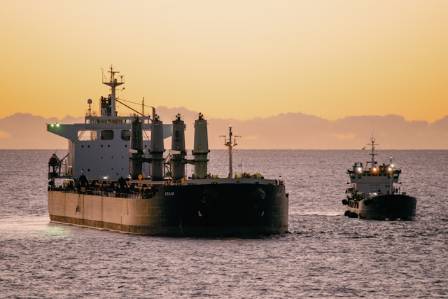
Information from search-and-rescue organisations, along with statistics collected from the ARC and other offshore rallies, indicates that rudder failures have resulted in more cruising boats being abandoned over the past three decades than any other single cause.
One example occurred in December 2016, when the yacht Dove II lost its rudder approximately 400 miles east of Barbados while sailing toward the Caribbean. The crew consisted of a couple, their children and another sailor. They were unable to create a workable emergency steering arrangement and eventually had to be rescued, leaving the yacht behind.
For this reason, rudder construction should be regarded as a fundamental part of the boat-selection process. Rudders mounted directly beneath the hull have gradually moved from racing yachts into cruising designs, but without the protection of at least a partial skeg, they can be highly exposed to damage.
If a boat with an exposed suspended rudder is otherwise suitable and cannot be avoided, it is worth ensuring that at least the lower section of the rudder is designed to sacrifice itself in a collision. This is the portion most likely to encounter floating debris or submerged objects.
Whatever rudder arrangement a yacht uses, a reliable emergency steering system is essential. It should be practical, quick to deploy and familiar to every person aboard rather than being equipment that only one crew member knows how to operate.
My own Garcia Exploration 45, Aventura IV, illustrates this approach. I was involved in its design and specified the features according to my requirements. The yacht uses two aluminium rudders protected by skegs. To provide additional protection, the upper portions of the rudder blades are constructed from lightweight composite material designed to crush and absorb impact rather than transferring destructive forces into the hull.
That design proved its value when the yacht struck a substantial piece of ice while sailing in the Arctic. The affected rudder absorbed the impact, yet continued operating normally for several thousand miles, allowing the voyage to continue until permanent repairs could eventually be completed.
More from the edition
Column · en
A Complete Outdoor Camping Handbook for Beginners and Families
Spending time in nature through camping offers a chance to disconnect from daily routines and reconnect with the outdoors. Whether you're a first-time camper or a seasoned adventurer, camping provides countless benefits—from the calming sounds of a forest to the simple joy of cooking over a campfire. However, to make the most of your outdoor experience, proper planning and preparation are essential. This guide walks you through the essentials of outdoor camping, helping you enjoy your time under the open sky with confidence, safety, and fun.
Column · en
Breathtaking Hot Air Balloon Adventures You Can’t Miss
Soaring high above the ground in a hot air balloon is a magical experience, offering stunning panoramic views and a sense of peaceful adventure. From floating over ancient landscapes to drifting above vibrant cities, these balloon rides provide unforgettable memories. Here are seven incredible hot air balloon journeys that belong on every traveler’s bucket list.
Column · en
How to Choose the Ideal Suit for Your Body Type
A poorly fitted or ill-suited suit can instantly undermine your sense of style. All too often, we see men wearing jackets that are too baggy, too long, or hopelessly out of date—mistakes that can easily be avoided.
Column · en
The Illusion of Space: Clever Hacks to Create Your Dream Walk-In Wardrobe in Any Home
Dreaming of a sprawling walk-in wardrobe but constrained by a compact city apartment? You’re not alone. While a dedicated dressing room is the ultimate luxury, the reality for many is a cramped bedroom with limited storage. The good news is that with some clever spatial reconfiguration and smart design tricks, you can carve out a high-functioning, diva-worthy closet in the most unlikely of places. Here’s how to transform overlooked corners into your personal fashion sanctuary.
Column · en
The largest known terrestrial gastropod is the giant African land snail.
A snail is a type of shelled gastropod mollusk. The term is most commonly used to describe land-dwelling snails, especially terrestrial gastropods that breathe through lungs.
Column · en
Exploring the Enigmatic World of Shadow Photography
Discover the elusive art of shadow photography - a creative realm that adds depth and mystique to your photographs, and sometimes, even takes center stage. Here are expert tips to help you master the magic of shadows and unlock their secrets.