Sunday column
Fascinating Facts About the Common Chimpanzee
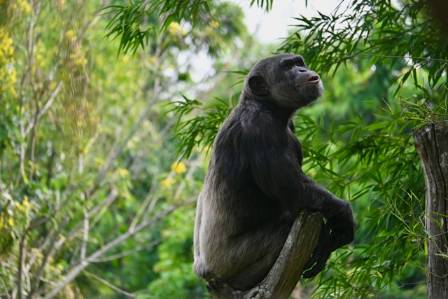
The common chimpanzee (Pan troglodytes) is considered one of the most intelligent and socially sophisticated animals on Earth. As one of humans’ closest living relatives, chimpanzees share approximately 98% of their DNA with us, offering valuable insights into the evolutionary relationship between humans and other animals. With their remarkable intelligence, complex societies, emotional abilities, and diverse behaviors, chimpanzees have fascinated researchers and wildlife enthusiasts for many decades.
Ashley Griffin
Desk editor
Editor’s note
The full column continues in quiet type below.
Section
Sunday Broadsheet
The common chimpanzee (Pan troglodytes) is considered one of the most intelligent and socially sophisticated animals on Earth. As one of humans’ closest living relatives, chimpanzees share approximately 98% of their DNA with us, offering valuable insights into the evolutionary relationship between humans and other animals. With their remarkable intelligence, complex societies, emotional abilities, and diverse behaviors, chimpanzees have fascinated researchers and wildlife enthusiasts for many decades.
This article explores five amazing facts about common chimpanzees, including their intelligence, social relationships, physical abilities, emotional expressions, and the challenges they face in the wild. Understanding these incredible primates helps us learn more about our own evolutionary history while highlighting the importance of protecting them and their natural habitats.
Chimpanzees Are Extremely Intelligent Animals
One of the most impressive characteristics of common chimpanzees is their advanced intelligence. These primates are capable of using tools, solving difficult problems, learning from observation, and developing new behaviors through imitation. Their mental abilities are often compared with those of humans, as studies have shown that chimpanzees can perform tasks involving memory, logical thinking, and understanding cause and effect.
Wild chimpanzees are famous for their creative use of tools. They use sticks to collect termites from nests, stones to crack open nuts, and folded leaves as sponges to absorb drinking water. These behaviors require an understanding of how objects work and how they can be used to achieve specific goals.
Chimpanzees also demonstrate impressive problem-solving skills. In captivity, they have been observed modifying existing tools or creating new ones when faced with unfamiliar challenges. Laboratory studies have shown that they can complete puzzles, recognize patterns, remember information, and make strategic choices.
Their intelligence is not limited to physical problem-solving. Chimpanzees also have sophisticated communication systems. Although they do not possess a human-like language, they communicate through vocal sounds, facial expressions, gestures, and body movements. Different calls can signal food discoveries, danger, or emotional states such as excitement, fear, or affection.
Chimpanzees Live in Complex Social Groups
Common chimpanzees are highly social animals that live in communities usually ranging from 20 to 150 individuals. Within these groups, they form complicated relationships involving cooperation, competition, friendship, and social ranking.
Chimpanzee societies often contain a dominance hierarchy, with an alpha male typically holding the highest position. The alpha male usually gains this status through physical strength, social connections, and the ability to compete successfully with other males. However, this position is not permanent, as other individuals may challenge the leader and attempt to replace him.
Social bonds are extremely important in chimpanzee communities. Individuals strengthen relationships through grooming, playing, and cooperating with one another. Grooming serves more than just a cleaning purpose—it also helps reduce tension, build trust, and maintain strong connections between group members.
Chimpanzees also cooperate during hunting activities. Some groups work together to capture animals such as monkeys or small antelopes, and successful hunters may share food with others. This behavior helps strengthen relationships and allows members of the group to benefit from teamwork.
Female chimpanzees also play important roles within their communities. They often create alliances with other females, which can help them gain access to food, protect their offspring, and improve their social position. In some groups, female cooperation can even influence changes in the social hierarchy.
Chimpanzees Show Strong Emotions and Empathy
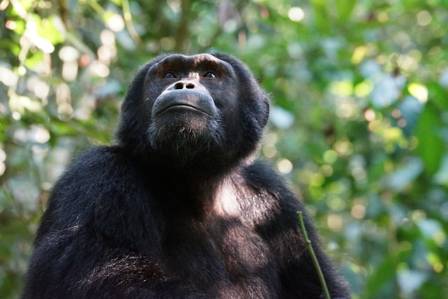
Chimpanzees display a remarkable range of emotions that closely resemble those experienced by humans. They can show happiness, anger, fear, sadness, grief, and compassion toward others.
One of the clearest examples of their emotional intelligence is their ability to show empathy. Chimpanzees have been observed comforting injured or distressed group members by hugging, touching, grooming, or holding them. These actions suggest that they can recognize the emotions of others and respond with supportive behaviors.
Chimpanzees also experience grief when members of their group die. In some documented cases, chimpanzees have stayed near deceased companions, shown signs of sadness, and displayed behaviors similar to mourning. The strong emotional reactions they demonstrate reveal deep social connections within their communities.
Besides empathy and grief, chimpanzees also display playful and humorous behaviors. Young chimpanzees often chase each other, wrestle, climb, and engage in playful activities. These behaviors help them develop important social skills and physical abilities needed later in life.
Chimpanzees Have Remarkable Memory Abilities
Another fascinating feature of chimpanzees is their excellent memory and awareness of time. They can remember important details about their surroundings, including locations of food sources, safe areas, and the movements of other group members.
In the wild, this memory ability helps chimpanzees survive. They can recall the locations of fruit trees, water sources, and areas where predators may appear. By remembering these details, they can plan their movements and make more effective decisions when searching for food.
Chimpanzees also show an ability to anticipate future events. They can predict regular patterns, such as the availability of seasonal foods or the behavior of other members in their group. This ability allows them to prepare for upcoming situations and adapt more successfully to changes in their environment.
Chimpanzees Face Serious Survival Threats
Despite their intelligence and adaptability, common chimpanzees are under significant threat in the wild. One of the greatest dangers is habitat destruction caused by human activities such as farming, logging, and mining. As forests disappear, chimpanzees lose access to food, shelter, and safe areas for raising their young.
The destruction of forests also divides chimpanzee populations into smaller and isolated groups, making it harder for them to find mates and maintain healthy communities.
Chimpanzees are also threatened by illegal hunting and wildlife trafficking. Some are hunted for bushmeat, while others are captured and sold as illegal pets. Although international laws protect chimpanzees, poaching continues to threaten their survival.
Human diseases can also have devastating effects on chimpanzee populations. Diseases such as Ebola have caused serious declines in some communities. Because chimpanzees are closely related to humans, they are vulnerable to many of the same illnesses.
Conservation programs are working to protect chimpanzees through habitat restoration, anti-poaching efforts, wildlife protection laws, and education programs aimed at reducing conflicts between humans and wildlife.
Protecting One of Our Closest Animal Relatives
The common chimpanzee is an extraordinary species known for its intelligence, emotional complexity, social cooperation, and ability to adapt. Studying chimpanzees helps us better understand the evolutionary connection between humans and other primates.
By learning about their behavior and challenges, we can develop greater respect for these remarkable animals and recognize the importance of protecting them. Conserving chimpanzees not only preserves one of our closest living relatives but also contributes to the broader understanding and protection of animal intelligence, social relationships, and biodiversity.
More from the edition
Column · en
Is Coffee Beneficial or Harmful to Your Health?
Coffee contains numerous biologically active compounds that can significantly impact long-term health.
Column · en
The Empire State Building and Its Historical Journey of Innovation and Fire Protection
Very few architectural masterpieces across the globe seize human curiosity as profoundly as the iconic skyscraper dominating midtown Manhattan. Soaring one thousand four hundred and fifty-four feet into the sky, this structure has remained a definitive monument of the ambition and fortitude of New York City ever since its grand opening in nineteen hundred and thirty-one. While its beautiful art-deco styling and legendary cultural status are celebrated on a global scale, the deep history of the tower is also intimately bound to critical breakthroughs in life safety and fire suppression elements which have successfully guaranteed that it remains both an incredible engineering triumph and a secure sanctuary for the countless millions of individuals who step through its doors over the generations.
Column · en
The Speed Demons of the Animal Kingdom: Top 10 Swiftest Creatures on Earth
Human beings, despite their considerable intelligence and evolving technological prowess, remain considerably slower than many of their animal counterparts. The world is home to thousands of species that can outpace even the fastest human. While the maximum running speed of a human caps at approximately 27.5 miles per hour, several animals can effortlessly double that pace.
Column · en
Which Is the Biggest RV in the World?
There are currently several massive motorhomes competing for the unofficial title of the largest RV in the world. Most of them fall into the Class A luxury category, offering fully equipped living spaces, premium materials, and extremely high price tags.
Column · en
Seven Things to know about Moose
North American moose are generally divided into four subspecies, each occupying a different geographic region.
Column · en
How to Paint a Mountain Lake Sunset
In this tutorial, I’ll guide you through painting a mountain lake sunset, inspired by the stunning views of Lake Wanaka in New Zealand. This landscape features autumn trees, towering mountains, a calm lake, and the evening sun peeking through clouds.