Sunday column
How to Grow and Care for an Orchid So It Blooms for Years
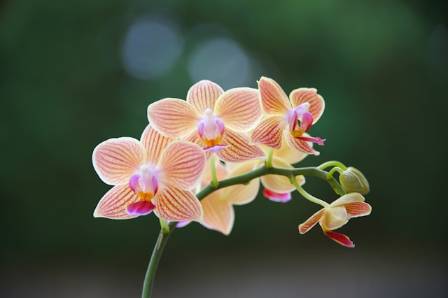
Orchids (family Orchidaceae) are elegant houseplants that can also serve as decorative elements when placed in attractive containers. Although they are often thought of as hard to maintain, orchids can actually thrive for as long as 15 years when their needs are properly met. With roughly 25,000 species available, one of the most beginner-friendly options is the moth orchid (Phalaenopsis). Regardless of the variety you choose, understanding a few essential care principles will help your orchid stay healthy and bloom beautifully indoors.
Alaric Vayne
Desk editor
Editor’s note
The full column continues in quiet type below.
Section
Sunday Broadsheet
Orchids (family Orchidaceae) are elegant houseplants that can also serve as decorative elements when placed in attractive containers. Although they are often thought of as hard to maintain, orchids can actually thrive for as long as 15 years when their needs are properly met. With roughly 25,000 species available, one of the most beginner-friendly options is the moth orchid (Phalaenopsis). Regardless of the variety you choose, understanding a few essential care principles will help your orchid stay healthy and bloom beautifully indoors.
Orchid Care Basics
Orchids are generally straightforward to grow once their requirements for light, water, growing medium, and nutrients are properly balanced.
Watering
A common mistake is giving orchids too much water, which often leads to poor health or plant failure. The goal is to water only when the potting medium is nearly dry.
A simple way to check is by lifting the pot—heavier weight usually indicates sufficient moisture, while a lighter pot suggests it’s time to water.
After watering, it’s important to ensure that no moisture remains in the crown or between leaves. Gently tilting the plant can help excess water drain away and prevent rot.
Growing Medium (Soil)
Orchids require a substrate that allows good drainage while still holding some moisture. In nature, many grow attached to trees rather than in soil.
Typical mixes include materials such as bark chips, peat, and perlite. You can either purchase a specialized orchid mix or prepare your own blend using similar components.
Light Requirements
For healthy growth and flowering, orchids generally need around six hours of bright but indirect sunlight each day.
A window facing east or south is often ideal. While different orchid types tolerate varying light levels, consistent indirect brightness helps encourage better blooming performance.
Fertilizing
During active growth periods, orchids benefit from regular feeding. A balanced orchid fertilizer, such as a 20-20-20 formula, is commonly recommended.
Applying fertilizer roughly once a week supports healthy development. In colder months, when growth slows, fertilization can be reduced or paused.
Temperature Needs
Orchid temperature preferences vary by species and are usually grouped into three categories:
Cool-growing types: about 60–70°F during the day and 50–55°F at night
Intermediate types: around 70–80°F during the day and 55–65°F at night
Warm-growing types: approximately 80–90°F during the day and 65–70°F at night
Common Orchid Types
There are many orchid varieties, but a few are especially popular among home growers:
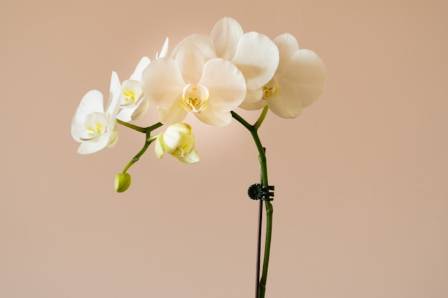
Moth Orchid (Phalaenopsis): One of the easiest orchids to care for, producing long-lasting flowers in many colors.
Vanda Orchid (Vanda spp.): Prefers warm conditions and plenty of light; can be grown outdoors in summer and indoors in winter.
Dancing Lady Orchid (Oncidium): Known for bright yellow blooms that resemble dancing figures.
Boat Orchid (Cymbidium): Hardy variety with colorful, multi-layered flowers that can tolerate cooler outdoor temperatures.
Encouraging Re-Blooming
A frequent issue is orchids failing to bloom again. In most cases, insufficient light is the main cause.
Leaf color can be a helpful indicator of light conditions:
Light green leaves suggest adequate lighting
Dark, stiff leaves may indicate low light
Reddish or pink edges can signal excessive light exposure
Adjusting light levels appropriately often encourages the plant to flower again.
Growing Orchids Outdoors
In regions with mild climates and warm summers, orchids can be placed outside temporarily once temperatures rise.
They should be kept in partially shaded locations, such as under trees or shade structures that filter sunlight. Protection from strong winds and harsh weather is also essential to keep the plant healthy.
More from the edition
Column · en
Hummingbirds have underdeveloped legs, so they cannot walk
North America is home to 18 species of hummingbirds. These extraordinary birds occur naturally only in the Americas, including North, Central, and South America.
Column · en
Cultivating Stunning Hibiscus Plants In Containers For Your Outdoor Spac
Many people assume that these vibrant flowering plants only belong in large garden landscapes. However, you can successfully cultivate hibiscus in containers to bring enduring summer color to your sunny patio, wooden deck, or apartment balcony. These versatile botanical specimens encompass herbaceous perennials, woody shrubs, and tender broadleaf evergreens. Gardeners highly value them for their exotic, trumpet-shaped blossoms that flourish from the middle of summer straight into the autumn months. Certain cultivars can produce magnificent flowers measuring up to twelve inches across, instantly adding a bold and tropical atmosphere to any outdoor setting. The most popular types include both cold-hardy and tropical varieties. The Rose of Sharon is a deciduous shrub that survives in colder regions, while the Rose mallow is a herbaceous perennial that retreats to the ground during winter. Tropical types thrive in warmer climates and are highly sensitive to cold temperatures dropping below fifty degrees Fahrenheit. When provided with the appropriate vessel, nutrient-rich earth, ample moisture, and sufficient sunlight, these plants are remarkably easy to maintain. They serve as excellent focal points in areas with limited space.
Column · en
From Popcorn Machine Mishaps to Dreamy Retreats: 5 Proven Hacks to Maximize Small Bedrooms
Years back, I worked with a client who requested a popcorn maker be installed directly next to their bed. The buttery aroma was a delight at first—until it started disrupting sleep night after night. Talk about a lesson learned! Designing compact bedrooms forces you to think outside the box, and today I’m sharing five tried-and-ttrue decorating strategies from my real-world projects that can turn even the tiniest sleeping spaces into spacious, welcoming personal retreats. No popcorn machines included—promise.
Column · en
Heidelberg Travel Guide: 22 Unmissable Experiences in Germany’s Storybook City
Nestled along the meandering Neckar River, Heidelberg feels like a scene torn from a fairy tale. With its medieval cobblestone streets, towering castle ruins, and the buzz of Germany’s oldest university, this charming city seamlessly blends centuries of history with lively modern energy. Whether you’re wandering the romantic Philosopher’s Walk, savoring hearty German cuisine in a cozy Gasthaus, or exploring Baroque churches, Heidelberg captivates with its timeless beauty and warm hospitality. This guide curates 22 essential things to do, plus insights on food, tours, accommodations, and day trips—everything you need to craft an unforgettable visit.
Column · en
Polar Bears: Giants of the Arctic
Polar bears (Ursus maritimus) are close relatives of brown bears but have evolved to thrive in snowy, icy habitats, inhabiting some of the coldest regions in North America. Their black skin helps absorb heat from the sun, while their thick, white fur provides insulation, repels water, and offers camouflage against the snow and ice. Large, webbed paws make them exceptional swimmers, allowing them to navigate the Arctic waters with ease.
Column · en
Tulips in Art: Beauty, Power, and Symbolism
Like many flowers, the tulip carries a wide range of symbolic meanings when it appears in artworks.