Sunday column
Care Guide for the ZZ Plant
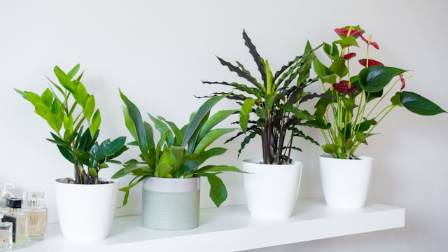
The ZZ plant (Zamioculcas zamiifolia), also known as the Zanzibar Gem, is a popular low-maintenance houseplant recognized for its glossy, oval-shaped leaves that grow along long, thick stems.
Lyra Foster
Desk editor
Editor’s note
The full column continues in quiet type below.
Section
Sunday Broadsheet
The ZZ plant (Zamioculcas zamiifolia), also known as the Zanzibar Gem, is a popular low-maintenance houseplant recognized for its glossy, oval-shaped leaves that grow along long, thick stems.
This plant is a semi-succulent species native to Eastern Africa, where it has adapted to survive long periods of drought followed by occasional heavy rainfall. Because of this natural resilience, ZZ plants can tolerate neglect remarkably well. Combined with their ability to grow in very low-light conditions, this makes them a favorite choice for offices, shopping centers, and other indoor spaces.
Although ZZ plants can reach heights of up to 5 feet in ideal conditions, indoor specimens usually grow to around 2 to 3 feet tall. To survive dry environments, the plant develops a unique rhizome root system. These underground structures resemble small bulbs and store large amounts of water for future use.
ZZ plants are also considered one of the best indoor plants for improving air quality, making them a great choice for bedrooms, offices, and other frequently used spaces. Overall, the ZZ plant is dependable, adaptable, and almost impossible to kill, making it an excellent choice for both beginner and experienced plant owners.
Popular Varieties of ZZ Plant
Although many people think there is only one type of ZZ plant, several different varieties are available, each offering its own unique appearance.
Common ZZ Plant
The Common ZZ Plant is the most widely recognized variety and can be found in homes, offices, and garden stores around the world. Young plants produce bright lime-green leaves that gradually develop into a rich emerald green as they mature.
This variety usually grows between 2 and 3 feet tall, with oval-shaped leaves that range from about 1 to 3 inches in length. It is the classic ZZ plant variety and remains one of the easiest houseplants to care for.
Raven ZZ Plant
The Raven ZZ Plant has become increasingly popular in recent years due to its dramatic appearance. It shares the same durable qualities as the traditional ZZ plant but produces nearly black, deep green foliage when mature.
New leaves emerge in a bright green color and slowly darken as they unfold and develop. The striking contrast between new and mature growth makes this variety especially attractive for modern interiors.
Variegated ZZ Plant
The Variegated ZZ Plant is a unique form featuring patterns of white, yellow, and different shades of green across its leaves.
Compared with regular ZZ plants, this variety may require slightly more attention. To maintain its colorful markings, it generally benefits from brighter light conditions. Insufficient light can cause the variegation to become less noticeable.
Dwarf ZZ Plant
The Dwarf ZZ Plant, also called ZZ Compacta, is an excellent choice for smaller spaces where a taller plant may not be suitable.
It produces smaller leaves that grow more closely together, often with a slightly curled appearance. Despite its compact size, its care requirements are the same as those of standard ZZ plants, making it an easy option for desks, shelves, and small indoor areas.
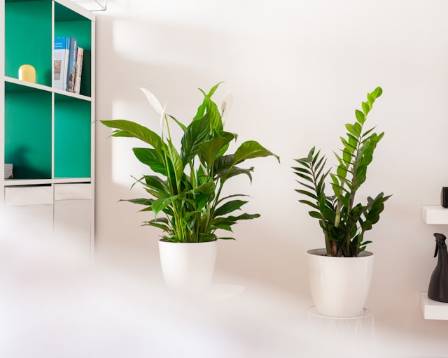
How to Care for Your ZZ Plant
Soil Requirements
ZZ plants prefer soil that drains well and allows plenty of air circulation around the roots. A commercial cactus or succulent potting mix is usually a good choice.
A regular houseplant soil can also work, but improving it with materials such as perlite and coarse sand will increase drainage and prevent excess moisture from collecting around the roots.
A suitable soil mixture for ZZ plants is:
2 parts all-purpose potting soil
1 part perlite
1 part coarse sand
Good drainage is essential because ZZ plants store water in their rhizomes, and overly wet soil can quickly lead to root rot.
Light Requirements
One of the reasons ZZ plants are so popular is their ability to adapt to a wide range of lighting conditions. They can survive in bright indirect light as well as very low-light environments, including rooms with only a small amount of natural light.
However, they should be protected from intense direct sunlight, especially strong afternoon sun. Too much heat and sunlight can scorch the leaves, causing brown patches or damaged foliage. If this occurs, move the plant to a location with softer, indirect light.
Many offices, shopping malls, and commercial spaces use ZZ plants because they perform well even under artificial lighting such as fluorescent bulbs.
Humidity Requirements
Although ZZ plants naturally grow in humid tropical regions, they do not require high humidity levels indoors.
If you live in an especially dry environment, you can occasionally mist the plant or place it in areas with naturally higher humidity, such as bathrooms or kitchens.
Watering Needs
Because ZZ plants are semi-succulent, their rhizomes can store large amounts of water, allowing them to survive extended periods without watering.
In general, watering every two to three weeks is sufficient. During winter, when growth slows down, watering can be reduced to around once every three weeks. During the active growing season, watering about every ten days is usually enough.
When caring for a ZZ plant, underwatering is much safer than overwatering. Excess moisture is one of the most common causes of problems, as constantly wet soil can cause the roots and rhizomes to rot.
More from the edition
Column · en
Donald Trump become 47th president
Former President Donald Trump has triumphed over Vice President Kamala Harris in a stunning victory, securing a second term in the White House after an extraordinary election season marked by unprecedented challenges, including two assassination attempts. Harris, who entered the race just over 100 days before the election, was ultimately defeated by Trump.
Column · en
Cultivating Stunning Hibiscus Plants In Containers For Your Outdoor Spac
Many people assume that these vibrant flowering plants only belong in large garden landscapes. However, you can successfully cultivate hibiscus in containers to bring enduring summer color to your sunny patio, wooden deck, or apartment balcony. These versatile botanical specimens encompass herbaceous perennials, woody shrubs, and tender broadleaf evergreens. Gardeners highly value them for their exotic, trumpet-shaped blossoms that flourish from the middle of summer straight into the autumn months. Certain cultivars can produce magnificent flowers measuring up to twelve inches across, instantly adding a bold and tropical atmosphere to any outdoor setting. The most popular types include both cold-hardy and tropical varieties. The Rose of Sharon is a deciduous shrub that survives in colder regions, while the Rose mallow is a herbaceous perennial that retreats to the ground during winter. Tropical types thrive in warmer climates and are highly sensitive to cold temperatures dropping below fifty degrees Fahrenheit. When provided with the appropriate vessel, nutrient-rich earth, ample moisture, and sufficient sunlight, these plants are remarkably easy to maintain. They serve as excellent focal points in areas with limited space.
Column · en
The largest known terrestrial gastropod is the giant African land snail.
A snail is a type of shelled gastropod mollusk. The term is most commonly used to describe land-dwelling snails, especially terrestrial gastropods that breathe through lungs.
Column · en
The least trustworthy 3D printer brand is still the best
Bambu Lab has come to represent two very different sides of the 3D printing industry. On one side, it is an exceptionally successful company that brought 3D printing to a much broader audience by making the technology easier to use, more approachable, and more affordable. On the other, it has adopted strategies reminiscent of companies such as Apple and Nintendo, building a tightly controlled ecosystem and using its legal resources to protect that ecosystem.
Column · en
Best 6 Best Luxury Silk Scarves to Buy
A number of prestigious fashion houses are known for creating exceptionally beautiful and high-quality silk scarves. Among the most notable names are the following.
Column · en
The King of the Jungle: Unveiling the Behaviors, Ecology, and Conservation of Lions
With its thunderous roar that echoes across savannas and its majestic mane framing a face of raw power, the lion (Panthera leo) has captivated human imagination for millennia, earning the title "king of the jungle" – a moniker that endures despite its primary habitat being grasslands rather than dense forests. More than just a symbol of strength and nobility, the lion is a complex, social apex predator whose behavior, diet, and social structure are finely tuned to its role as a keystone species in African and Asian ecosystems. As human activities increasingly encroach on wild habitats, understanding the lion’s natural biology and the challenges it faces has never been more critical. From the coordinated hunts of lionesses to the tender care of cubs and the threats of habitat loss and poaching, the lion’s story is one of resilience, cooperation, and urgency – a tale that highlights both the wonders of the natural world and the responsibility we bear to protect it.