Sunday column
Easy Indoor Plants for Beginners
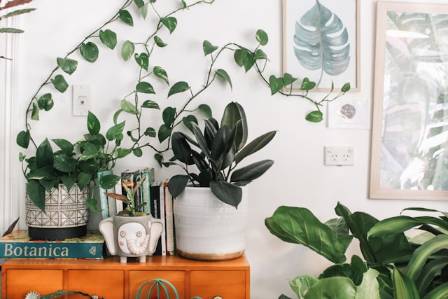
Houseplants bring a refreshing sense of life to indoor spaces while also helping improve the atmosphere and brighten your mood. Even if gardening has never been your strength, you can still become a successful plant parent by starting with beginner-friendly indoor varieties and other low-maintenance houseplants.
Cora Lawson
Desk editor
Editor’s note
The full column continues in quiet type below.
Section
Sunday Broadsheet
Houseplants bring a refreshing sense of life to indoor spaces while also helping improve the atmosphere and brighten your mood. Even if gardening has never been your strength, you can still become a successful plant parent by starting with beginner-friendly indoor varieties and other low-maintenance houseplants.
Every plant needs light, moisture, and nutrients in order to grow, but the exact amount required differs from one species to another. Indoor plants generally do best when their growing environment resembles the conditions found in their natural habitat. Fortunately, some varieties are much more adaptable and forgiving, making them excellent choices for first-time plant owners.
Choosing plants that are simple to maintain is a great way to begin building a beautiful indoor garden. The following varieties are among the best options for beginners and anyone looking for easy-care greenery.
1. Monstera
Monstera spp.
Light: Low to medium
Temperature: 60–85°F
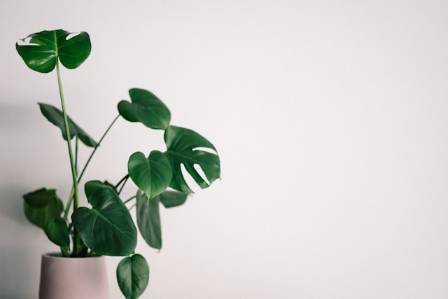
Also called the Swiss cheese plant or split-leaf philodendron, Monstera is loved for its large, heart-shaped green foliage. As the leaves mature, they naturally develop distinctive holes and splits that give the plant its recognizable appearance. These tropical climbers can be trained upward using a moss pole or another form of support. With consistent watering and sufficient humidity, Monstera is relatively simple to grow indoors.
2. Spider Plant
Chlorophytum comosum
Light: Medium to high
Temperature: 60–85°F
Spider plants feature long, grass-like leaves that cascade gracefully from their containers. Once mature, they produce slender stems carrying small white, star-shaped flowers, followed by tiny plantlets that resemble spiders. These baby plants can easily be removed and propagated into new specimens. Spider plants are beginner-friendly and grow particularly well with bright indirect light and higher humidity.
3. Pothos
Epipremnum spp.
Light: Low to high
Temperature: 60–85°F
Pothos produces attractive heart-shaped foliage that may be green, yellow, or beautifully variegated. Its trailing growth makes it ideal for hanging baskets, shelves, or containers where the vines can spill over the edges. These fast-growing plants can also be propagated quite easily from stem cuttings. Pothos tolerates a wide range of indoor light and humidity conditions, although direct sunlight should be avoided because it can scorch the foliage.
4. Philodendron
Philodendron spp.
Light: Low to high
Temperature: 60–85°F
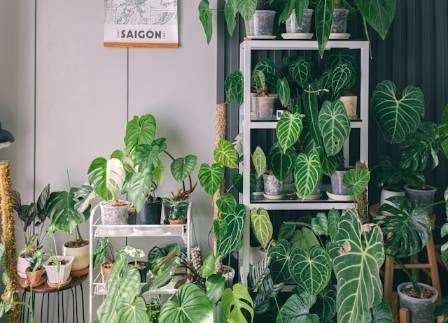
Native to tropical rainforest environments, philodendrons are available in an impressive variety of colors, sizes, growth habits, and leaf shapes. Their versatility allows them to complement almost any interior decorating style. Some varieties remain compact, while others develop long trailing vines. You can allow them to cascade from containers, climb a trellis, or grow around windows. Provide well-draining soil, moderate watering, and plenty of humidity for healthy growth.
5. Rubber Plant
Ficus elastica
Light: Medium to high
Temperature: 60–85°F
The rubber plant gets its name from the milky sap historically associated with rubber production. It grows upright and develops broad, thick, oval-shaped leaves that may appear green, burgundy, or variegated. Some varieties also feature colorful stems and fresh new growth. Native to Southeast Asia, this tropical plant prefers consistently moist soil, moderate humidity, and regular feeding. Keep it away from drafts and sudden changes in temperature, as these conditions can stress the plant.
6. Chinese Evergreen
Aglaonema commutatum
Light: Medium to bright indirect light
Temperature: 65–80°F
Chinese evergreen is a tropical houseplant known for its colorful foliage and striking patterns. Its vibrant leaves can bring attractive accents of color to an indoor environment. These plants grow relatively slowly and tend to remain compact, making them suitable for bookshelves, side tables, desks, and other smaller areas. Place them in a warm, humid location such as a kitchen or bathroom, and provide well-draining soil along with moderate watering.
7. Prayer Plant
Calathea spp.
Light: Low to medium
Temperature: 60–85°F
Prayer plants receive their name from their fascinating habit of folding their leaves upward at night, creating an appearance similar to praying hands. They are available in numerous leaf shapes, colors, and decorative patterns. These tropical plants can be relatively easy to maintain when their preferred conditions are provided. Keep them in a draft-free area with bright indirect light and high humidity, such as a bathroom or kitchen, and maintain regular watering and fertilization.
8. Begonia
Begonia masoniana
Light: Bright indirect light
Temperature: 60–85°F
Begonias combine attractive foliage with relatively straightforward care, making them a wonderful option for both experienced gardeners and beginners. They prefer consistency in watering, temperature, and lighting conditions. When those needs are met, begonias can reward you with lush and eye-catching foliage. Their decorative appearance makes them an easy way to add character and greenery to almost any indoor room.
9. Nerve Plant
Fittonia albivenis
Light: Low to high
Temperature: 60–85°F
Nerve plants are sometimes mistaken for polka dot plants, but their distinctive network of white, pink, or red veins makes them easy to recognize. They have a creeping growth habit and thrive in moist yet well-drained soil. Because they prefer high humidity, they are particularly well suited to terrariums or similarly humid environments. Keep them away from direct sunlight, which may scorch their delicate leaves.
10. Peperomia
Peperomia spp.
Light: Medium to high
Temperature: 60–85°F
Peperomia includes a large group of tropical plants featuring foliage in many attractive colors and forms. Depending on the variety, plants may grow upright, form rounded mounds, or trail over the edge of a container. These beginner-friendly plants prefer well-draining soil, warm conditions, and moderate to high humidity. Allow the soil to dry somewhat between waterings and avoid excessive moisture, as overwatering can cause root rot. Medium to bright indirect light helps maintain vibrant leaf coloration.
11. Drop Tongue Plant
Schismatoglottis wallichii
Light: Low to medium
Temperature: 60–85°F
Also known as green shield, this distinctive aroid is especially appreciated by houseplant collectors for its attractive variegated leaves, which can grow up to approximately 18 inches long. Originating in Southeast Asia, it is a slow-growing plant that prefers regular moisture and high humidity. One useful characteristic for beginners is that it tends to wilt when it begins becoming too dry, providing a visible reminder that it needs attention. Protect it from direct sunlight and cold drafts.
12. Arrowhead Vine
Syngonium podophyllum
Light: Low to medium
Temperature: 60–85°F
Arrowhead vine gets its common name from its uniquely shaped leaves, which resemble arrowheads. The foliage can appear in green, chartreuse, pink, white, or various variegated combinations. Plants begin with a more upright and compact growth habit before developing trailing stems as they mature. This adaptable houseplant prefers humid conditions and evenly moist soil. Allow the growing medium to dry somewhat between waterings and avoid keeping it excessively wet to reduce the risk of root rot.
13. Purple Tradescantia
Tradescantia spp.
Light: Medium to high
Temperature: 60–85°F
Purple tradescantia, sometimes called purple spiderwort, can be grown indoors throughout the year or moved outdoors during warmer weather. This tropical trailing plant is valued for its narrow, lance-shaped foliage, which can come in shades of green, purple, pink, and attractive variegated combinations. Because it can tolerate a variety of lighting, watering, and humidity conditions, it is an especially approachable choice for beginning plant owners.
14. Dracaena
Dracaena spp.
Light: Bright indirect light
Temperature: 65–80°F, although certain varieties can tolerate cooler conditions
Dracaena is an attractive upright plant recognized for its pointed, strap-like leaves. Depending on the variety, the foliage may feature green, burgundy, red, or variegated coloring. It can be grown indoors or moved outside during suitable warmer weather. Dracaena is forgiving when it comes to different light and watering conditions and generally needs little or no fertilizer. Its low-maintenance nature makes it an excellent choice for anyone beginning their indoor plant collection.
More from the edition
Column · en
Fundamentals of Clay Modeling: A Beginner's Guide to Sculpting
Engaging with three-dimensional art provides a unique and rewarding creative challenge. Sculpting with clay is an excellent way to broaden your artistic horizons, though the medium can feel intimidating for those working from a home studio for the first time. By understanding the different materials available and mastering a few foundational techniques, you can successfully transition from two-dimensional sketches to physical forms.
Column · en
Elegant Outfit Ideas for Every Season and Occasion
Elegance is about more than just looking sophisticated, it’s about feeling confident in your own skin. When you slip into an elegant outfit, that sense of self-assurance often follows. What makes an outfit elegant can vary: it might be its simplicity, the quality of the fabric, or how perfectly it fits your body. Today, I’m excited to share a collection of elegant outfit ideas to inspire you to elevate your wardrobe. These looks prove that elegance doesn’t have to be complicated. It’s all about picking pieces that make you feel your best and there are ways to dress elegantly no matter the season or event. So, read on for some of my favorite elegant ensembles and essential pieces that belong in every elegant wardrobe.
Column · en
Planting Succulents in 7 Simple Steps for Beginners
Starting a succulent garden can feel a bit overwhelming at first, but it is actually quite straightforward once you break it into simple steps. You begin by collecting the right supplies, then move on to understanding your local climate and light conditions, and finally prepare soil, arrange plants, and maintain them properly. Once these foundations are in place, succulents are generally low-effort and highly rewarding plants to grow.
Column · en
The Most Breathtaking Coastal Scenery in the World: Must-Visit Ocean Destinations
The ocean holds an irresistible allure for humans. We willingly invest time and money just to witness its vast, mesmerizing beauty. While we may never fully understand what draws us to the sea, one thing is certain—there are countless breathtaking ocean views around the world waiting to be discovered. If you're looking for some of the most spectacular coastal landscapes, we’ve handpicked several stunning locations, each offering a unique and unforgettable experience.
Column · en
5 Key Considerations Before Creating a Cozy Corner in Your Home
In today's fast-paced world, having a peaceful space to retreat to within your home has become more essential than ever. No matter the size of your living space—whether large or small—creating a cozy corner can provide you with a sanctuary to unwind, relax, and rejuvenate. These corners, carefully designed for comfort and warmth, are a growing trend in home décor and can significantly enhance the atmosphere of your home. Below are five key factors to keep in mind before setting up your own intimate nook, from furniture arrangement to lighting and personal touches.
Column · en
A Guide to Train Travel in the USA
Think train travel belongs to another era in the USA? Not at all. While the country has the world's largest road network, it is also a surprisingly rewarding place to explore by rail. Instead of concentrating on the road ahead or waiting at an airport, you can spend hours looking through enormous windows as snowy peaks, open grasslands, vast deserts and bustling cities gradually pass by.