Why Oven Temperature Is Non-Negotiable for Perfect Salmon
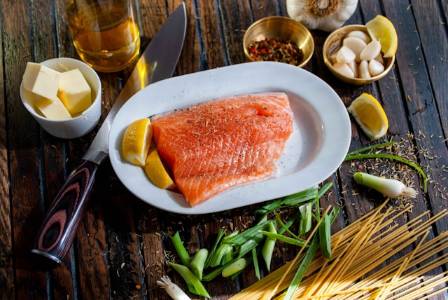
Cooking salmon fillets to that ideal balance of flaky tenderness and juicy moisture starts with mastering oven temperature. Unlike heartier meats, salmon is delicate—even a few degrees off can turn it dry, rubbery, or undercooked. Temperature directly impacts both flavor and food safety: undercooked salmon may harbor harmful bacteria, while overcooking leaches out its natural oils and nutrients. Understanding how heat interacts with salmon’s fatty, tender flesh lets you tailor the cooking process to your fillet’s thickness and texture preferences, ensuring consistent results every time.
Recommended Oven Temperature Range for Salmon Fillets
Chefs and culinary experts universally agree that the sweet spot for oven-baked salmon falls between 375°F to 425°F (190°C to 220°C). This range strikes the perfect balance between even cooking and moisture retention, adapting to different fillet thicknesses and desired outcomes. Whether you’re aiming for melt-in-your-mouth tenderness or a slightly crisp exterior, this temperature bracket provides the flexibility to customize your dish without compromising quality.
Cooking at 375°F (190°C): Gentle, Even Tenderness
Cooking salmon at 375°F (190°C) is the go-to for a gentle, low-and-slow approach. This lower end of the temperature range allows heat to penetrate thick fillets gradually, preventing the outer layers from drying out before the center cooks through. The result is uniformly tender meat that retains its natural juiciness and subtle flavor, making it ideal for thicker cuts (1 inch or more) or salmon stuffed with herbs, citrus, or vegetables. This method is forgiving for home cooks, as the slower cook time leaves room to adjust without ruining the fillet.
Cooking at 400°F (200°C): The Versatile Middle Ground
At 400°F (200°C), you get the best of both worlds: a relatively quick cook time and a harmonious blend of tenderness and crispness. This is the most popular temperature for oven-baked salmon, as it pairs perfectly with roasted vegetables or grains—you can cook your entire meal on one baking sheet for easy cleanup. The moderate heat caramelizes the salmon’s surface slightly while keeping the interior moist, and it works equally well for thin (½ inch) and medium (¾ inch) fillets. It’s the ideal choice for weeknight dinners or casual gatherings, offering reliability and minimal effort.
Cooking at 425°F (220°C): Crisp Edges and Fast Cooking
For those who love a golden, caramelized exterior, 425°F (220°C) is the optimal temperature. This higher heat cooks salmon quickly—great for thin fillets or when you’re short on time—while creating a slightly crispy edge that contrasts beautifully with the tender interior. It’s especially effective for salmon with skin, as the heat crisps the skin to a satisfying crunch without overcooking the flesh beneath. However, vigilance is key here: the fast cook time means overcooking can happen in minutes, so keep a close eye on the fillet as it bakes.
How to Tell When Salmon Is Fully Cooked
Knowing when salmon is done goes beyond just following a timer—use a combination of visual cues, texture checks, and internal temperature readings for certainty. Visually, raw salmon is bright and translucent; when cooked, it turns opaque with a pale pink or orange hue. Texturally, the fillet should flake easily when prodded with a fork—if it resists or feels tough, it needs more time. For food safety, use a meat thermometer: insert it into the thickest part of the fillet, and remove the salmon when it reaches 145°F (63°C). For a slightly rare center (still safe if sourced properly), aim for 130°F (54°C) and let it rest for 2 minutes to carry over heat.
Baking vs. Broiling: Choosing the Right Oven Method
Two primary oven methods work for salmon—baking and broiling—each yielding distinct results. Baking, the more common method, uses indirect heat to cook salmon evenly, retaining moisture and allowing flavors to meld. It’s straightforward: place seasoned fillets on a baking sheet (lined with foil or parchment for easy cleanup) and cook within the 375°F–425°F range. Broiling, by contrast, uses direct high heat from above, cooking salmon in 6–10 minutes while creating a crispy, charred top. For broiling, position the oven rack 4–6 inches from the heat source, season the salmon well, and watch closely to avoid burning—this method is perfect for adding a smoky, restaurant-style finish.
Preparing Salmon Fillets for the Oven
Proper preparation sets the stage for delicious oven-baked salmon, starting with selecting the right fillet. Choose wild-caught salmon (like Sockeye or Coho) for rich flavor and higher omega-3 content, or farmed salmon for a milder taste and consistent texture. Thaw frozen fillets in the refrigerator overnight if using—never at room temperature—to preserve freshness. Before cooking, pat the fillets dry with paper towels to remove excess moisture, which helps with seasoning absorption and browning. For extra flavor, marinate the salmon for 15–30 minutes (try lemon-dill, maple-soy, or garlic-herb blends) or simply season with salt, pepper, and a drizzle of olive oil. Essential tools include a baking sheet for even heat distribution, aluminum foil to lock in moisture, and a meat thermometer for accuracy.
Pairing Side Dishes with Baked Salmon
Baked salmon’s rich, delicate flavor pairs beautifully with a variety of sides that complement without overpowering. Roasted vegetables are a classic choice—asparagus, zucchini, Brussels sprouts, or roasted cherry tomatoes add color, crunch, and nutritional balance. Grains like quinoa, brown rice, or farro absorb the salmon’s juices, adding heartiness and texture. For a refreshing twist, serve with a citrusy side salad (mixed greens, arugula, or fennel) dressed with lemon vinaigrette to cut through the fish’s richness. Other great options include mashed cauliflower, sweet potato fries, or creamy risotto—all of which create a harmonious, satisfying meal.
Garnishing for Flavor and Presentation
Simple garnishes can elevate both the taste and visual appeal of baked salmon. Fresh herbs like dill, parsley, or chives add brightness and a pop of color. Thinly sliced lemon or lime wedges provide a burst of acidity that balances the salmon’s richness, while a light drizzle of extra-virgin olive oil or melted butter enhances moisture and shine. For a touch of elegance, sprinkle with toasted sesame seeds, crushed pistachios, or a pinch of red pepper flakes for subtle heat. Garnishing takes just seconds but transforms a simple dish into something special, whether you’re serving family or guests.
Storing and Reheating Leftover Salmon
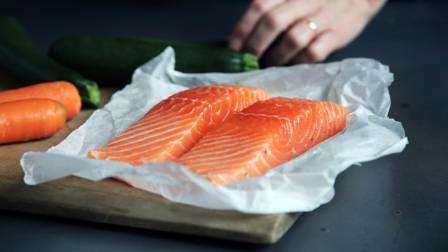
Leftover baked salmon stays fresh for up to 3 days when stored properly. Allow the salmon to cool to room temperature (no more than 2 hours) after cooking, then transfer to an airtight container and refrigerate. Avoid storing salmon with strong-smelling foods, as it absorbs odors easily. When reheating, use the oven to preserve moisture: preheat to 275°F (135°C), wrap the salmon loosely in foil, and warm for 15 minutes or until heated through (internal temperature reaches 140°F/60°C). Microwaving is not recommended, as it can dry out the fish. Leftover salmon also works well in salads, wraps, or pasta dishes—no reheating needed.
Conclusion: Mastering Oven-Baked Salmon
Cooking salmon fillets in the oven is simple when you focus on temperature control, proper preparation, and attention to doneness. By choosing a temperature between 375°F and 425°F (190°C and 220°C) based on your fillet’s thickness and texture preferences, using the right cooking method (baking or broiling), and pairing with complementary sides, you’ll create a succulent, nutritious dish every time. Whether you’re a beginner or an experienced cook, the key is to balance heat and time, trust your senses (sight, touch, smell), and experiment with seasonings to find your perfect flavor combination. With this guide, you’ll turn oven-baked salmon into a go-to meal that’s both delicious and effortless.