Sunday column
Essential Steps for Starting a Successful Balcony Garden
Growing a personal vegetable garden filled with fresh greens, aromatic herbs, or bright cherry tomatoes is a wonderful aspiration. Even if you lack a traditional backyard, a lack of extensive outdoor acreage should not prevent you from cultivating a thriving green space. Apartment residents can easily transform an underutilized patio or balcony into a lively and joyful sanctuary. Urban container gardening allows you to experience all the therapeutic and practical benefits of agricultural production within a small footprint. All you truly need to begin this rewarding journey is a sturdy balcony railing, a selection of appropriate containers, a few basic tools, and a willingness to learn and experiment with nature.
Justin Allen
Desk editor
Editor’s note
The full column continues in quiet type below.
Section
Sunday Broadsheet
Growing a personal vegetable garden filled with fresh greens, aromatic herbs, or bright cherry tomatoes is a wonderful aspiration. Even if you lack a traditional backyard, a lack of extensive outdoor acreage should not prevent you from cultivating a thriving green space. Apartment residents can easily transform an underutilized patio or balcony into a lively and joyful sanctuary. Urban container gardening allows you to experience all the therapeutic and practical benefits of agricultural production within a small footprint. All you truly need to begin this rewarding journey is a sturdy balcony railing, a selection of appropriate containers, a few basic tools, and a willingness to learn and experiment with nature.
Selecting the Right Varieties for Your Space
When you begin selecting vegetation for an apartment setting, it is vital to evaluate which species will naturally flourish in your specific microclimate while remaining manageable to maintain. If you live in close proximity to other tenants, opting for varieties that do not attract invasive insects or trigger common seasonal allergies is highly considerate. You should also select flora that aesthetically matches your existing residential environment and home decor. For absolute beginners, starting with a single plant is often the wisest path forward. Cultivating just one pot of salad greens or a solitary tomato plant provides a manageable learning curve, helping you understand how moisture, airflow, and light interact on your balcony before you choose to scale up your efforts.
Understanding Sun and Shade Requirements
Sunlight exposure is one of the most critical factors dictating the success of an urban garden. While many flowering plants demand intense, direct sun, numerous edible crops adapt beautifully to partial shade or limited daylight. For instance, leafy greens like lettuce, arugula, and spinach require less intense rays and tend to mature quite rapidly. Various other nutritious choices including bell peppers, eggplants, tomatoes, okra, and dwarf citrus varieties like lemons, limes, or grapefruits can tolerate fluctuating levels of daily sun.
If your outdoor space is naturally shaded by neighboring buildings, you can still successfully cultivate root crops such as carrots, beets, potatoes, and turnips, alongside hardy brassicas like broccoli, cabbage, cauliflower, kale, and Brussels sprouts. Savory herbs including oregano, mint, thyme, chives, and tarragon also perform exceptionally well under partial sun conditions. It remains essential to research the exact light preferences of each specific seed or seedling to guarantee they receive proper energy, keeping in mind that while standard crops thrive on roughly six hours of direct daylight, shade-tolerant varieties often require careful management of extended indirect light to reach full maturity.
Watering Techniques for Container Systems
Proper hydration is a foundational element of container plant health, especially since potted soil tends to dry out much faster than ground earth. Acquiring a sturdy, high-capacity watering can is a smart initial investment because a larger reservoir reduces the constant need to make trips back and forth to your kitchen sink. For maximum efficiency, you might consider embedding unglazed clay watering pots or self-watering reservoirs directly into your soil, which slowly release moisture directly to the root zones and prevent the dual dangers of dehydration and over-saturation.
Because every plant species maintains distinct hydration requirements based on its biology and environmental exposure, consulting local agricultural nurseries or trusted horticultural databases will offer valuable guidance. Checking the upper layer of soil with your finger remains the most reliable test, as you should generally wait until the top inch becomes dry before adding more water. Deep, consistent watering encourages root systems to expand downward rather than staying near the surface, which ultimately helps your plants survive unexpected summer heatwaves and periods of drought.
Cultivating Aromatic Herbs and Tomatoes
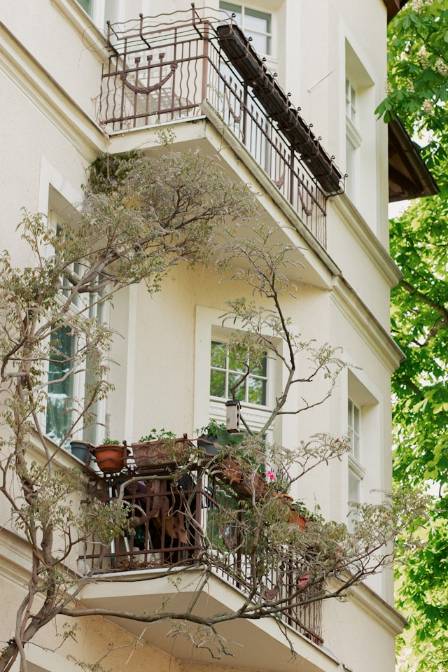
Integrating fragrant herbs into your container setup is an excellent way to introduce vibrant colors and fresh flavors directly to your kitchen table. Herbs generally demand far less rigorous maintenance than larger vegetable varieties and can significantly elevate your culinary options. Highly adaptable choices include basil, cilantro, parsley, rosemary, sage, thyme, oregano, chives, and dill, along with unique options such as lemon balm and lavender.
Alongside herbs, tomato plants are immensely popular for small-scale cultivators because they can yield fruit consistently over an extended period. To optimize your harvest and keep the environment tidy, applying a clean layer of organic straw mulch across the soil surface will lock in moisture and naturally suppress opportunistic weeds. Grouping your containers closely together in sets of three or four rather than scattering them individually also creates a beneficial microclimate and allows you to quickly assess which specimens are thriving and which require closer attention.
Soil Preparation and Balanced Nutrient Management
Before inserting any roots into a container, verifying the quality of your growing medium is imperative. Standard backyard dirt is often too dense and packed with clay for container environments, which can suffocate roots, so you should always utilize fresh, nutrient-rich potting soil purchased from a professional nursery. If necessary, you can easily improve the texture, aeration, and drainage of your medium by thoroughly blending organic compost with clean sand and peat moss.
Once your garden is established, regular nutrient supplementation becomes mandatory since potted plants quickly exhaust the limited food supply within their containers. Applying a balanced fertilizer containing an even ratio of nitrogen, phosphorus, and potassium every few weeks ensures steady development. For a safer, organic approach, you can incorporate processed kitchen scraps or well-composted manure into the soil, always taking care to avoid harsh chemical applications that might compromise the long-term health of your edible crops or cause root burn.
Selecting Containers and Maintaining Garden Growth
The pots and planters you choose will directly dictate how well your crops develop over time. Containers are available in an extensive array of dimensions and materials, from models designed to rest directly on the floor to specialized units that hang securely from walls or balcony railings. Larger pots are ideal for substantial vegetable crops like cucumbers, squash, and beans because they accommodate higher volumes of soil and allow you to group multiple plants together for easier management, while smaller clay or plastic options are perfectly suited for flowers and compact herbs. You can buy these from local garden centers or even create your own out of recycled materials like old plastic bottles or clay pots.
Regardless of style, ensuring your vessels possess functional drainage holes is absolutely vital to prevent stagnant water from causing root rot and disease. Beyond proper housing, routine maintenance like pruning away dead foliage and withered branches is necessary to stimulate new growth, especially during periods of extreme summer heat. By drafting a simple care routine, monitoring daily light variations, and perhaps adding a few colorful annual flowers like marigolds or petunias for visual appeal, anyone can successfully convert a plain concrete balcony into a beautiful, productive urban oasis.
More from the edition
Column · en
The Comprehensive Manual for Men's Tailoring
In an era defined by casual remote work and shifting dress codes, the necessity of a suit might seem debatable. Paradoxically, this makes it the perfect time to invest in one. With social calendars filling up and a growing weariness of loungewear, the suit is experiencing a cultural renaissance. Modern fashion has liberated tailoring from rigid rules; it is no longer about the standard navy set but about bold pinstripes, classic houndstooth, and personal expression. Whether paired with a traditional silk tie or a vintage graphic tee, every man needs at least one exceptional suit.
Column · en
What is the Empire State Building?
The Empire State Building is one of the most famous attractions in New York City. Standing 102 stories tall, it held the title of the world’s tallest skyscraper for over four decades. Located at the intersection of Fifth Avenue and West 34th Street in Manhattan, the building was originally designed as an office tower. However, its iconic design and incredible city views have made it a major destination for millions of visitors every year.
Column · en
Facts You Might Not Know About Gazelles
Gazelles are well-known members of the antelope family and are especially recognized for their impressive speed. They mainly inhabit dry, open environments such as grasslands and deserts. Many species live in migratory or nomadic groups, constantly moving through their surroundings while feeding on grasses and shrubs and remaining alert for predators.
Column · en
Common Kingfisher
The Common Kingfisher is among the most dazzling and cherished birds inhabiting rivers, lakes, and wetlands. Its brilliant plumage, swift diving techniques, and patient fishing behavior make it a favorite for birdwatchers and wildlife photographers alike. Despite its small stature, this bird demonstrates impressive skill, intelligence, and adaptability, distinguishing it from many other freshwater species.
Column · en
The Purple Swamphen
Last spring, during a three-month study abroad program in South Africa, I finally encountered one of my long-awaited lifer birds, the Purple Swamphen (Porphyrio porphyrio). I spotted it partially concealed among reeds in a large wetland within Wilderness National Park. After noticing me, the bird hurried across the water, attempting to disappear into the reeds on the opposite side of the shallow stream.
Column · en
Which Is the Biggest RV in the World?
There are currently several massive motorhomes competing for the unofficial title of the largest RV in the world. Most of them fall into the Class A luxury category, offering fully equipped living spaces, premium materials, and extremely high price tags.