
Sunday column
The Comprehensive Manual for Men's Tailoring
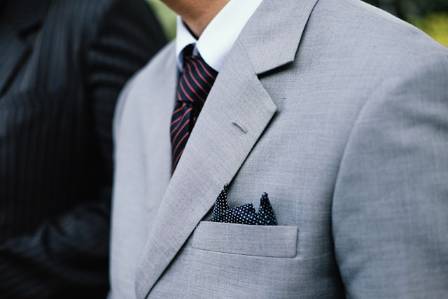
In an era defined by casual remote work and shifting dress codes, the necessity of a suit might seem debatable. Paradoxically, this makes it the perfect time to invest in one. With social calendars filling up and a growing weariness of loungewear, the suit is experiencing a cultural renaissance. Modern fashion has liberated tailoring from rigid rules; it is no longer about the standard navy set but about bold pinstripes, classic houndstooth, and personal expression. Whether paired with a traditional silk tie or a vintage graphic tee, every man needs at least one exceptional suit.
Abigail Claire Ashford
Desk editor
Editor’s note
The full column continues in quiet type below.
Section
Sunday Broadsheet
In an era defined by casual remote work and shifting dress codes, the necessity of a suit might seem debatable. Paradoxically, this makes it the perfect time to invest in one. With social calendars filling up and a growing weariness of loungewear, the suit is experiencing a cultural renaissance. Modern fashion has liberated tailoring from rigid rules; it is no longer about the standard navy set but about bold pinstripes, classic houndstooth, and personal expression. Whether paired with a traditional silk tie or a vintage graphic tee, every man needs at least one exceptional suit.
The Essential Tailoring Glossary
To navigate the world of suits effectively, one must understand the specific terminology used by tailors and enthusiasts.
Bespoke: The pinnacle of tailoring. A bespoke suit is created from scratch using a pattern designed specifically for the individual wearer.
Break: This refers to the fold in the trouser fabric where it meets the shoe. A "full break" features a distinct fold, while "no break" means the trousers end just above the shoe for a clean, straight line.
Canvas: A layer of material, typically wool or horsehair, situated between the jacket's lining and outer fabric to provide structure. High-quality suits feature "full-canvas" construction.
Gorge: The seam where the jacket collar meets the lapel.
Lapel: The folded flaps of cloth on the front of a jacket. Common styles include the versatile notch, the formal peak, and the tuxedo-standard shawl.
Made-to-Measure: A middle ground between ready-to-wear and bespoke. A standard template is used but modified to fit the customer's specific measurements.
Pick Stitching: Small, visible stitches along the edges of the lapel and pockets, often indicating a high level of craftsmanship.
Shoulders: The most critical part of a jacket's fit. Styles range from padded (structured) to natural (relaxed) or roped (formal and raised).
Surgeon's Cuffs: Sleeve buttons that are actually functional, allowing the wearer to unbutton and roll up the sleeves.
Vents: The slits at the back of the jacket. A single vent is centered and casual, while double vents on the sides are more traditional and elegant.

Premier Destinations for Suiting
Selecting the right brand depends on your personal aesthetic and the specific occasion.
-
Polo Ralph Lauren: The gold standard for classic American style, specializing in timeless navy and charcoal options.
-
Todd Snyder: Known for updating wardrobe staples with modern proportions and interesting seasonal fabrics.
-
Drake’s: A British mainstay offering impeccable off-the-rack tailoring with a focus on refined details.
-
Ring Jacket: A Japanese brand that masters Neapolitan-style tailoring, favored for its soft construction.
-
Sid Mashburn: Offers elegant, handmade suits with a focus on Southern charm and timeless silhouettes.
-
Noah: Blends streetwear influences with traditional British fabrics for a more relaxed, skate-inspired fit.
-
Kashiyama 1927: A Japanese outfit providing a high-quality made-to-measure experience at accessible price points.
-
Supreme: While known for streetwear, the brand occasionally releases limited, exceptionally well-made suits.
The Role of Designer Tailoring
While a standard suit suffices for most occasions, designer tailoring is for those seeking a specific creative statement. Designer pieces—found at boutiques or high-end department stores—are about individuality. Whether it’s the rock-and-roll aesthetic of Saint Laurent, the shrunken proportions of Thom Browne, or the avant-garde visions of Louis Vuitton, a designer suit is an investment in a specific fashion philosophy. These pieces are meant to reflect the wearer's personality rather than mere conformity.
Mastering Bespoke and Savile Row Culture
Savile Row in London remains the global epicenter of handmade tailoring. The Bespoke Association enforces strict standards, requiring at least 50 hours of hand labor per suit and offering thousands of fabric choices. Historic houses like Anderson & Sheppard and Huntsman cater to everyone from royalty to rock stars. While bespoke is an expensive undertaking, it represents the ultimate fusion of history, craft, and personalized fit.
The Strategy for Buying Vintage
Vintage shopping is an excellent way to acquire high-end tailoring at a fraction of the original price. When shopping for secondhand suits, prioritize established labels like Tom Ford, Armani, or Zegna to ensure quality materials.
-
In-Person Shopping: Ideally, try on vintage suits in person to check the "fit" of the shoulders and chest, as these are the hardest areas to alter.
-
Online Platforms: When using eBay or Grailed, request detailed measurements and compare them to a suit you already own.
-
Tailoring: Budget for alterations. Even a high-end vintage find will likely need the sleeves, waist, or trouser length adjusted to look its best.
Communicating Effectively With Your Tailor
A tailor is essential for perfecting any suit, but they require clear direction.
The Shoulders are Final: Ensure the jacket shoulders fit perfectly at the store. A tailor can rarely fix a shoulder that is too wide or too narrow without rebuilding the entire garment.
The Chest and Waist: Traditionally, a jacket should be snug enough to fit a thumb between the cloth and your stomach when buttoned. However, modern trends allow for either tighter "prom" fits or oversized, boxy silhouettes. Know your preferred "vibe" before the appointment.
Sleeve Length: The standard rule is for the jacket sleeve to end just above the wrist bone, allowing about a quarter-inch of shirt cuff to show.
Trouser Width and Break: Decide if you want a tapered, straight, or wide leg. The "break" is purely stylistic; a "no break" look is modern and clean, while a "full break" is more conservative or intentionally retro.
Modern Suit Styling and Breaking Traditional Rules
The era of strictly requiring a tie and pocket square is over. You can modernize a suit by layering it over a high-quality t-shirt or a turtleneck. Swapping dress shoes for classic sneakers like Adidas Sambas or vintage loafers can instantly "chill out" the look.
In 2026, many traditional rules are now viewed as mere suggestions:
-
Fit: While slim is safe, oversized or relaxed fits are currently at the forefront of fashion.
-
Shirts: A suit "counts" even if worn with a denim shirt, a tank top, or a knit vest.
-
Color: Do not limit yourself to navy and gray; olive, maroon, and khaki are excellent alternatives for weddings or social events.
-
Sneakers: They work with suits, but avoid the "corporate minimalist" look. Opt for heritage sneakers and pair them with more casual shirt options.
-
Maintenance: Treat your suit as a garment to be lived in. Air it out between wears and avoid over-dry-cleaning, which can damage the fibers.
More from the edition
Column · en
Cherry Blossoms And Mount Fuji In Woodcut Prints
Have you ever been curious about how the vividly colored Japanese woodblock prints—known as ukiyo-e or hanga—are created? The printing methods behind these works were refined during the Edo period (1603–1868) and later became widely admired through the masterpieces of artists such as Katsushika Hokusai (1760–1849) and Utagawa Hiroshige (1797–1858).
Column · en
What's that Weed? Dollarweed!
Dollarweed, often called pennywort, is a warm-season perennial broadleaf weed that commonly appears in lawns and turf areas. It belongs to the parsley family and includes several related species, such as marsh pennywort, coastal plain pennywort, many-flowered pennywort, and whorled pennywort.
Column · en
Natural landscape: Our Coastal Maine Wildflower Meadow
We have chosen to let the field beside our home grow naturally instead of keeping it closely trimmed. This simple decision has transformed the area into a beautiful wildflower meadow filled with wildlife, helpful pollinators, tall grasses, lush greenery, and colorful flowers throughout the warmer months.
Column · en
Seven Things to know about Moose
North American moose are generally divided into four subspecies, each occupying a different geographic region.
Column · en
Antirrhinum majus: From Greenhouse Production to Floral Arrangements
Snapdragon (Antirrhinum majus) belongs to the Scrophulariaceae family. The name Antirrhinum originates from Greek, meaning “nose-like,” referring to the distinctive form of its blossoms. Each flower is approximately 1¼ to 1½ inches long, with a tubular structure and rounded upper and lower lips. Depending on the variety, flowers may be single, double, or open-faced (commonly called “butterfly” types) that lack a defined lip.
Column · en
7 Habits That Can Transform Women's Lives for the Better
Are you seeking greater joy and fulfillment in your life? Do you aspire to embody the best version of yourself? If so, this blog post offers valuable insights tailored just for you! At times, we may find ourselves yearning for more, wishing to reshape our lives for the better. This article presents seven positive habits that can significantly enhance your satisfaction and happiness.