Sunday column
Cherry Blossoms And Mount Fuji In Woodcut Prints
Have you ever been curious about how the vividly colored Japanese woodblock prints—known as ukiyo-e or hanga—are created? The printing methods behind these works were refined during the Edo period (1603–1868) and later became widely admired through the masterpieces of artists such as Katsushika Hokusai (1760–1849) and Utagawa Hiroshige (1797–1858).
Theodore Langley
Desk editor
Editor’s note
The full column continues in quiet type below.
Section
Sunday Broadsheet
Have you ever been curious about how the vividly colored Japanese woodblock prints—known as ukiyo-e or hanga—are created? The printing methods behind these works were refined during the Edo period (1603–1868) and later became widely admired through the masterpieces of artists such as Katsushika Hokusai (1760–1849) and Utagawa Hiroshige (1797–1858).
The Adachi Foundation for the Preservation of Woodcut Printing is dedicated to keeping these traditional techniques alive. Its mission is both to preserve the craftsmanship through contemporary artisans and to educate the public about this important aspect of Japanese cultural heritage. Alongside regular exhibitions in its gallery space, the foundation also hosts workshops and live demonstrations that reveal the full production process of traditional woodblock printing.
Make Your Own Woodblock Print! Ukiyo-e Exhibition of Cherry Blossoms and Mount Fuji
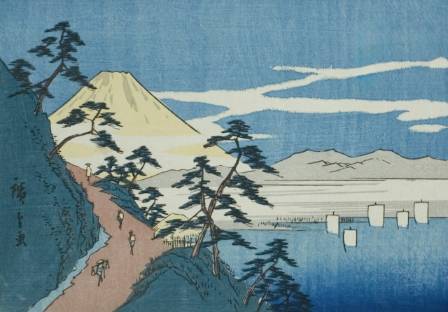
This exhibition, titled “Ukiyo-e Exhibition of Cherry Blossoms and Mount Fuji Brought to Life in Brilliant Colors through Craftsmanship,” runs until April 16th. It highlights woodblock prints inspired by two iconic Japanese symbols: cherry blossoms and Mount Fuji.
In addition, on April 4th, a special demonstration and hands-on ukiyo-e workshop with English interpretation will take place. Visitors can observe skilled artisans as they demonstrate traditional printing techniques and then try creating their own print to take home. Participation is free of charge, making it an especially appealing cultural experience.
The Adachi Foundation for the Preservation of Woodcut Printing
Established in 1994, the Adachi Foundation aims to ensure that traditional woodblock printing skills are passed down to future generations of artisans. It plays a key role in preserving both historical works from the Edo and Meiji periods and newly created pieces by modern hanga artists.
Woodblock printing is a collaborative art form involving three main specialists: the artist who designs the image, the carver who engraves it onto woodblocks, and the printer who applies ink and transfers the image onto paper. These roles are supported by a publisher who organizes production based on artistic direction, social trends, or client requests.
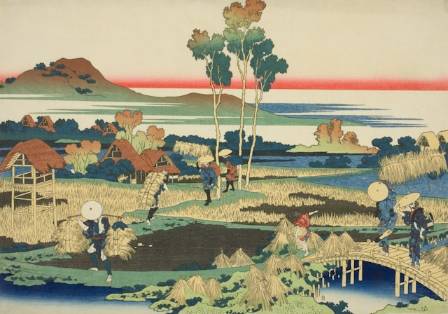
This system originated in the Edo period, when ukiyo-e artists depicted scenes from daily life, famous landscapes, and popular cultural figures such as actors and courtesans, capturing the visual spirit of the era.
Exhibitions and Cultural Preservation
Through ongoing exhibitions and educational programs, the Adachi Foundation continues to promote woodblock printing both in Japan and internationally. Its displays include celebrated historical works as well as contemporary reinterpretations, helping maintain the relevance of this traditional art form.
The exhibition focused on cherry blossoms and Mount Fuji showcases prints that celebrate Japan’s most iconic natural landmarks. Many of these images have been admired for generations and remain closely linked to cultural traditions such as hanami, the custom of flower viewing.
Some works on display are widely reproduced classics, while others are rare editions originally commissioned for private collectors. These pieces are notable for their intricate detail, which reflects the high level of skill involved in the carving and printing process.
A dedicated section of the exhibition also explains the step-by-step production of ukiyo-e prints, displaying the tools and techniques used by artisans. This offers visitors a deeper understanding of the craftsmanship behind each finished artwork.
Ukiyo-e Printing Demonstration and Workshop for Visitors
On April 4th at 1 PM, the foundation will host a live demonstration of traditional woodblock printing, accompanied by English interpretation. Visitors will be able to watch artisans recreate a famous ukiyo-e design and then participate in a simplified printing activity.
Participants can produce their own woodblock print and take it home as a souvenir. The workshop is free of charge, though spaces are limited to 30 people. Advance reservation is required by emailing the organizers with your name and number of participants at adachi@adachi-hanga.com.
For additional information, visitors are encouraged to consult the foundation’s official website.
A Hands-On Cultural Experience
By attending both the exhibition and the demonstration, visitors gain a deeper appreciation of how accessible woodblock prints can be compared to other art forms. Unlike many artworks, ukiyo-e prints are designed to be held and closely examined.
Feeling the texture of handmade washi paper and observing the vivid colors up close allows for a more intimate understanding of this traditional medium. Visitors may also purchase works created by the foundation’s artisans, bringing a piece of Japan’s visual heritage into their own homes.
Conclusion
Even if you are unable to attend this year’s cherry blossom and Mount Fuji exhibition, the Adachi Foundation’s gallery in Tokyo is well worth a visit. With seasonal exhibitions held throughout the year, it offers a continuous opportunity to explore the beauty and craftsmanship of traditional Japanese woodblock printing.
More from the edition
Column · en
What Is a Satellite?
When you hear the word “satellite,” you may immediately picture a large metal spacecraft traveling around Earth high above the planet.
Column · en
The Best Selling Vehicles Dominating British Roads Right Now
Fully electric vehicles secured an unprecedented thirty percent of the automotive market in the United Kingdom during the month of June, representing the highest performance observed throughout the current year. This surge helped propel overall vehicle registrations upward by eleven point four percent to hit a grand total of 213,166 units, according to recent data published by the Society of Motor Manufacturers and Traders. This exceptional performance marked the strongest showing for the month of June since the year 2019, with the expansion driven entirely by low-emission options as automakers continue to roll out more electric and hybrid models while fresh automotive brands enter the British marketplace. Consumer appetite for electric mobility was further accelerated by climbing fuel prices connected to ongoing geopolitical tensions in the Middle East.
Column · en
Iconic Fried Delicacies from Every Corner of the Globe
Whether you are craving something sugary or a savory treat, fried snacks are a universal favorite. The appealing contrast between a crunchy, golden exterior and a tender, warm interior creates a sensory experience that many find irresistible. While the world offers an endless variety of fried foods, certain classics have achieved legendary status across international borders.
Column · en
Exploring the Enigmatic World of Shadow Photography
Discover the elusive art of shadow photography - a creative realm that adds depth and mystique to your photographs, and sometimes, even takes center stage. Here are expert tips to help you master the magic of shadows and unlock their secrets.
Column · en
5 Van Aesthetics to Fit Your #Vanlife Vibe
Chase the sun and surf with van life vibes in the classic Volkswagen – where freedom meets the road.
Column · en
The Fascinating History of the Gouldian Finch
Although it is widely known today simply as the Gouldian finch, this stunning bird originally carried the name “Lady Gouldian Finch.” The name was given in 1845 by the famous British ornithologist John Gould. Like many people who encounter this bird for the first time, Gould was deeply impressed by its extraordinary beauty and chose to honor the memory of his late wife by naming the species after her.