Sunday column
Winter beauty: Explore forests under a coat of white
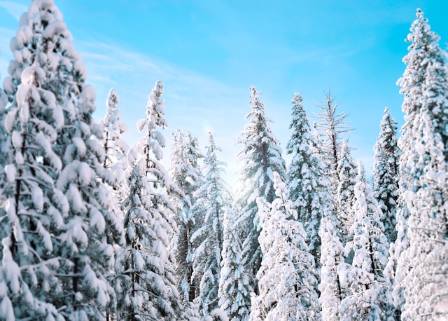
After the season's first heavy snowfall, the forest is transformed into a breathtaking winter landscape. A thick layer of fresh snow settles across the ground, while tree limbs and branches become covered in sparkling white blankets. Ponds, pools, and other quiet bodies of water disappear beneath a smooth coating of snow.
Nolan Reese
Desk editor
Editor’s note
The full column continues in quiet type below.
Section
Sunday Broadsheet
After the season's first heavy snowfall, the forest is transformed into a breathtaking winter landscape. A thick layer of fresh snow settles across the ground, while tree limbs and branches become covered in sparkling white blankets. Ponds, pools, and other quiet bodies of water disappear beneath a smooth coating of snow.
For those willing to explore, the snowy woodland is filled with hidden signs of life. Winter birds move among the branches, and winding trails left by white-tailed deer can be found throughout the landscape.
Look closely as you travel through this peaceful setting, and evidence of wildlife activity appears almost everywhere.
Following Tracks Through the Snow
Winter wildlife leaves behind a fascinating record of its movements in the snow. By studying footprints and trails, it is often possible to determine which animals have recently passed through the forest.
The distinctive hoof marks of white-tailed deer can be found in many places, including surprisingly close to people in urban parks and natural areas.
Deer often follow familiar routes through their territory, but they are capable of crossing almost any part of the forest. When startled by people, they may suddenly leave their usual paths and head in unexpected directions.
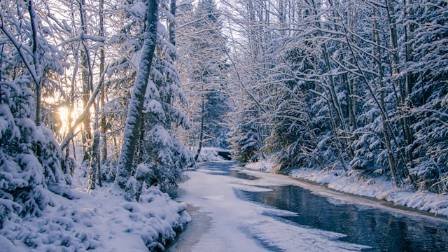
Near creeks, ponds, and river edges, keep an eye out for evidence of river otters. Their footprints commonly appear in pairs, with the paw marks positioned close together as the animals bound or leap across the snow.
You may also encounter long sliding marks created by otters. Sometimes they push themselves across the snow, while at other times they seem to slide simply for fun as they travel down small slopes and hills.
Squirrels and rabbits create their own recognizable patterns in the snow. In addition to their tracks, you may find places where they stopped to eat tree bark and buds or searched the forest floor for nuts and acorns.
Listening to the Winter Woods
The winter woodland can seem unusually quiet. Because there are fewer sounds than during the warmer months, the occasional noises that break the silence can feel especially striking and beautiful.
The nearly continuous songs of summer birds have disappeared, leaving occasional calls, chatter, and warnings from species that remain in the area throughout winter or live here year-round.
Yet birds are only part of the winter soundscape.
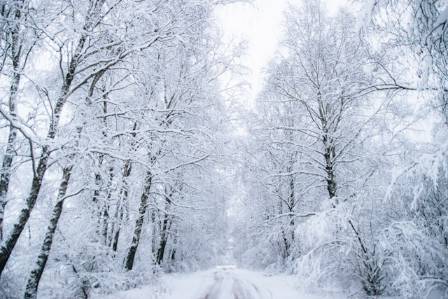
One of the most peaceful sounds of the season is the soft movement of winter air through stands of pine. Sometimes the breeze produces a barely audible whisper, while at other times it creates a gentle whistle as January winds pass through the treetops.
The dry leaves of oak trees often remain attached to their branches through the cold months. When gusts arrive, they shake and rustle softly overhead.
Even the trees can become part of the winter orchestra. As freezing temperatures penetrate their enormous trunks, branches and trunks may suddenly produce sharp rattling or cracking sounds.
And, of course, there is the comforting crunch of your own footsteps as you make your way across the deep, freshly fallen snow.
Birds Among the Snow-Covered Trees
Winter birds provide welcome companionship for anyone walking the forest trails.
Some of these species remain in the woodland throughout the entire year, while others arrive only for the colder season after traveling south from Canada and northern regions. Once the snow settles in, these seasonal visitors become part of the winter landscape.
Nuthatches are especially entertaining winter companions. Their amusing, almost laughing calls can be heard throughout the woods as they move quickly up and down tree trunks while searching for food.
Chickadees are also frequently nearby. They chatter energetically and may loudly scold when they notice people entering their woodland territory.
The powerful calls of crows and ravens are another memorable part of the winter forest.
Hearing groups of crows moving among the treetops is particularly striking during winter. Their familiar voices travel through the bare woodland, creating an unexpectedly beautiful sound that feels both untamed and free.
Ravens are less frequently encountered, but when their distinctive calls drift down from birds flying above the snowy forest, they add another layer of character to the winter landscape.
Discovering Winter's Hidden Treasures
With the arrival of the season's first substantial snowfall, winter has truly taken hold of the forest. Beneath the snow-covered branches and across the quiet trails, wildlife continues to leave behind countless signs of activity.
Take some time to explore the woodland during the cold months. Follow the tracks, listen to the sounds, watch the birds, and look carefully at the snow-covered landscape. The winter forest may appear still and silent, but it is filled with life and discoveries waiting to be found.
More from the edition
Column · en
Exploring the Enigmatic World of Shadow Photography
Discover the elusive art of shadow photography - a creative realm that adds depth and mystique to your photographs, and sometimes, even takes center stage. Here are expert tips to help you master the magic of shadows and unlock their secrets.
Column · en
How to Cook Salmon Fillets in the Oven: A Complete Guide
Cooking salmon fillets to that ideal balance of flaky tenderness and juicy moisture starts with mastering oven temperature. Unlike heartier meats, salmon is delicate—even a few degrees off can turn it dry, rubbery, or undercooked. Temperature directly impacts both flavor and food safety: undercooked salmon may harbor harmful bacteria, while overcooking leaches out its natural oils and nutrients. Understanding how heat interacts with salmon’s fatty, tender flesh lets you tailor the cooking process to your fillet’s thickness and texture preferences, ensuring consistent results every time.
Column · en
The Most Suitable Material For Building Groynes In The Sea
Groynes are a commonly used coastal defence structure throughout the UK, and many of our scenic shorelines feature timber groynes. They serve a crucial role in protecting beaches from coastal erosion and maintaining shoreline stability. Groynes are also installed along riverbanks to reduce erosion and enhance navigability. While they can be constructed from various materials such as concrete and rock, this article highlights the advantages of using timber.
Column · en
Top-Rated Sedans for Maximum Safety in 2025
When searching for a new vehicle, safety remains the top priority for most car buyers. Modern sedans now come equipped with advanced protective technologies that go far beyond basic airbags and seatbelts. From cutting-edge crash avoidance systems to reinforced vehicle structures, today's safest sedans provide comprehensive protection for drivers and passengers alike. Here's an in-depth look at the most secure sedan models currently available, all recognized for their exceptional safety performance.
Column · en
Amazing Girl Drawing Ideas That You Can Easy Handle
Whether you’re just starting out with sketching for fun or an aspiring artist seeking fresh inspiration, this guide offers a variety of drawing ideas for girls — ranging from simple, cute concepts to more detailed anime-style illustrations.
Column · en
Application of Autonomous Mobile Robots
SMP Robotics provides a broad range of autonomous mobile robots designed for applications in security, agriculture, industrial inspection, and environmental monitoring. Each robot is based on a reliable mobile platform, featuring proven navigation and autonomy, with configurations tailored to specific operational tasks.