Sunday column
The dead leaf butterfly: Master of camouflage
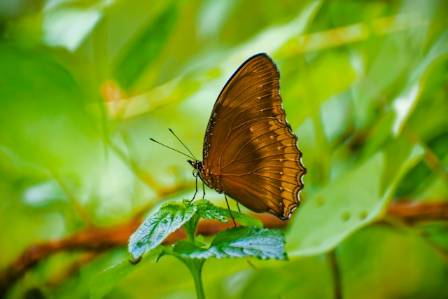
The dead leaf butterfly (Kallima inachus) is a remarkable example of natural camouflage. When its wings are folded, their appearance closely resembles that of a dried leaf, complete with dark vein-like patterns that help the butterfly disappear among fallen foliage.
Evren Blake
Desk editor
Editor’s note
The full column continues in quiet type below.
Section
Sunday Broadsheet
The dead leaf butterfly (Kallima inachus) is a remarkable example of natural camouflage. When its wings are folded, their appearance closely resembles that of a dried leaf, complete with dark vein-like patterns that help the butterfly disappear among fallen foliage.
This butterfly is also a strong and capable flyer. It can travel quickly and reach considerable heights, while its wings are well suited to the damp conditions of dense forests and can withstand rain and moisture.
How the Dead Leaf Butterfly Escapes Predators
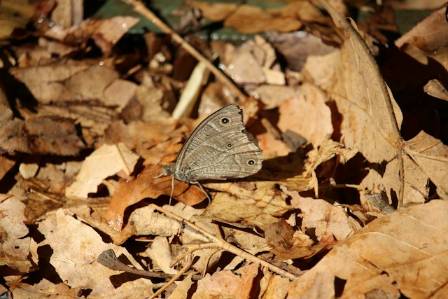
When threatened or pursued by birds, the dead leaf butterfly uses an unusual escape strategy. It flies unpredictably, then suddenly drops downward and disappears among nearby leaves. Once it settles, it folds its wings, allowing its leaf-like coloring and patterns to blend almost perfectly with the surrounding vegetation.
Most of the time, the dead leaf butterfly remains close to the ground, where it can rest among fallen leaves. It may also settle on tree trunks, although it occasionally visits flowers.
Feeding Habits and Natural Enemies
Rather than relying mainly on flower nectar, the dead leaf butterfly feeds on rotting fruit and animal dung. These food sources provide important nutrients during its adult life.
Despite its excellent camouflage, the butterfly still faces a variety of natural predators. Birds, ants, spiders, and wasps are among the animals that prey on dead leaf butterflies.
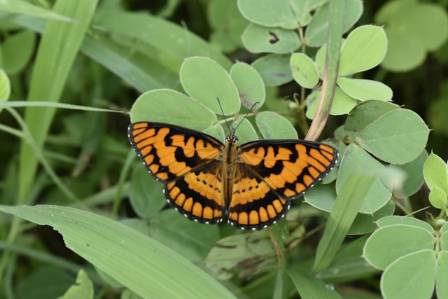
Dead Leaf Butterflies in Malaysia
The dead leaf butterfly is a fascinating example of how an insect can use its appearance and behavior to survive in the wild. Its extraordinary resemblance to a fallen leaf makes it especially difficult for predators to detect.
These photographs were taken in Malaysia, where the butterfly's natural camouflage can be observed within the forest environment.
About Butterflies
Butterflies are among the most visually striking insects in nature. They are often described as “flying flowers” and are celebrated as the “beauty of the insect kingdom.”
Beyond their appearance, butterflies have an important role within food chains, functioning as both prey and, in some cases, predators.
Butterflies are also valuable indicators of environmental conditions. Because many species have relatively short life spans, they can react quickly to subtle changes in their surroundings. Their presence, abundance, and population changes can therefore provide useful clues about shifts within an ecosystem.
More from the edition
Column · en
Master the Art of Horological Coordination: A Guide for Every Setting
A timepiece is far more than a simple instrument for tracking hours; it is a definitive style statement that can refine or redefine your entire aesthetic. Whether you are preparing for a gala, a professional meeting, or a rugged outdoor excursion, selecting the appropriate watch is essential for a polished and cohesive appearance. This guide explores how to synchronize your wristwear with your wardrobe to ensure you make a sophisticated impression in any environment.
Column · en
Cultivating Stunning Hibiscus Plants In Containers For Your Outdoor Spac
Many people assume that these vibrant flowering plants only belong in large garden landscapes. However, you can successfully cultivate hibiscus in containers to bring enduring summer color to your sunny patio, wooden deck, or apartment balcony. These versatile botanical specimens encompass herbaceous perennials, woody shrubs, and tender broadleaf evergreens. Gardeners highly value them for their exotic, trumpet-shaped blossoms that flourish from the middle of summer straight into the autumn months. Certain cultivars can produce magnificent flowers measuring up to twelve inches across, instantly adding a bold and tropical atmosphere to any outdoor setting. The most popular types include both cold-hardy and tropical varieties. The Rose of Sharon is a deciduous shrub that survives in colder regions, while the Rose mallow is a herbaceous perennial that retreats to the ground during winter. Tropical types thrive in warmer climates and are highly sensitive to cold temperatures dropping below fifty degrees Fahrenheit. When provided with the appropriate vessel, nutrient-rich earth, ample moisture, and sufficient sunlight, these plants are remarkably easy to maintain. They serve as excellent focal points in areas with limited space.
Column · en
What Is a Satellite?
When you hear the word “satellite,” you may immediately picture a large metal spacecraft traveling around Earth high above the planet.
Column · en
Why Picking Up Seashells From the Shoreline Is a Surprisingly Destructive Habit According to Scientists
Gathering discarded exoskeletons and marine snails along the shoreline represents a classic warm-weather tradition. Much like biting into a chilled piece of fruit on a hot evening or observing a late-night meteor shower, picking up seaside keepsakes feels like an innocent element of a coastal getaway. However, this seemingly harmless activity generates an extensive environmental toll that has persisted for decades.
Column · en
Wooden Alarm Clocks That Enhance Your Home Decor
Anjankstore is a home-products brand focused on creative, practical, and attractive items that can add both convenience and personality to your living environment. One of its notable products is the Wooden Digital Alarm Clock, which combines useful everyday functions with a natural decorative style.
Column · en
Unlocking the Therapeutic Secrets of the Sea: Scientifically Validated Reasons for Seaside Bliss
Embarking on a coastal retreat isn't just a leisurely escape; it's a holistic tonic for your body and mind. The allure of the sea is more than just a picturesque setting—it's a scientifically proven source of well-being. Here are five evidence-backed reasons explaining the profound benefits of the sea on your overall health