Sunday column
Master the Art of Horological Coordination: A Guide for Every Setting
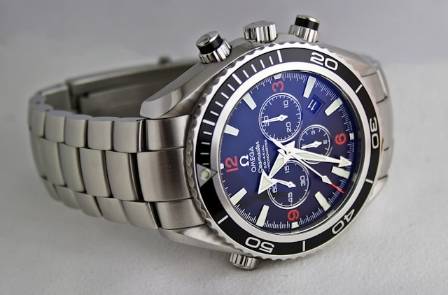
A timepiece is far more than a simple instrument for tracking hours; it is a definitive style statement that can refine or redefine your entire aesthetic. Whether you are preparing for a gala, a professional meeting, or a rugged outdoor excursion, selecting the appropriate watch is essential for a polished and cohesive appearance. This guide explores how to synchronize your wristwear with your wardrobe to ensure you make a sophisticated impression in any environment.
Tristan Hollingsworth
Desk editor
Editor’s note
The full column continues in quiet type below.
Section
Sunday Broadsheet
A timepiece is far more than a simple instrument for tracking hours; it is a definitive style statement that can refine or redefine your entire aesthetic. Whether you are preparing for a gala, a professional meeting, or a rugged outdoor excursion, selecting the appropriate watch is essential for a polished and cohesive appearance. This guide explores how to synchronize your wristwear with your wardrobe to ensure you make a sophisticated impression in any environment.
Refined Elegance for Formal Occasions
When attending high-profile events such as black-tie galas, weddings, or ceremonial dinners, your choice of watch should embody grace and subtlety. The objective is to add a touch of luxury that complements your formal attire without becoming a distraction.
For these settings, lean toward minimalist designs characterized by slim profiles. A classic round watch featuring a polished silver or gold finish and a high-quality leather strap is the standard of excellence. These understated pieces integrate seamlessly with a tuxedo or a structured suit, providing a sophisticated finish that speaks to your attention to detail.
Professionalism in Business and Smart Casual Settings
In the corporate world or during professional social gatherings, your timepiece should strike a precise balance between authority and accessibility. For a business casual environment, a mid-sized watch with a clear, uncluttered dial is most effective.
Neutral palettes—including brushed stainless steel, deep navy, or rich chocolate brown leather—offer the necessary versatility for a professional wardrobe. If the dress code leans toward smart casual, such as tailored trousers paired with a crisp button-down, you can introduce more distinctive shapes, such as a rectangular case. This adds a layer of chic individuality while maintaining an air of competence.
Modern Trends for Casual and Seasonal Outfits
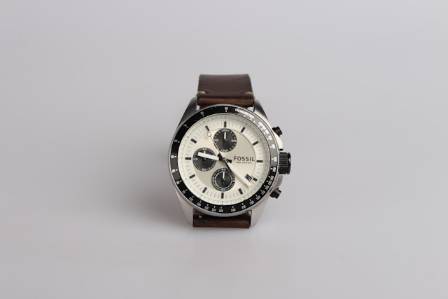
Leisure activities and weekend outings provide the perfect opportunity to showcase your personality through more expressive watch designs. For casual meetups, consider sporty or contemporary minimalist styles that utilize unconventional materials.
Silicone or high-grade fabric straps in vibrant colors like sky blue or emerald can breathe life into a simple jeans-and-tee combination. Similarly, seasonal changes should influence your choice: lightweight watches with pastel or white straps are ideal for the airy energy of summer, while larger, bolder timepieces with dark silicone or metal bands complement the heavy textures of winter wools and layered coats.
Functionality for Outdoor Adventures
When your plans involve hiking, camping, or other physical pursuits, durability and utility become the primary focus. An adventure-ready watch must be able to withstand the elements while providing practical data.
Seek out rugged timepieces equipped with essential features such as water resistance, chronographs, or integrated compasses. Earthy tones—including forest green, matte black, and tan—ensure the watch blends naturally with outdoor gear. A durable nylon or reinforced rubber strap provides the security needed for high-intensity movement, ensuring your watch remains a reliable tool throughout your journey.
The Importance of Visual Harmony
Ultimately, matching your watch to your ensemble is about creating a sense of visual equilibrium. When your accessories align with the tone and color palette of your clothing, it demonstrates a level of intentionality that elevates your overall presence. By treating your timepiece as a key component of your wardrobe rather than an afterthought, you can ensure that your style is always cohesive, functional, and uniquely yours.
More from the edition
Column · en
An Introductory Guide to the Heritage of Japanese Bento Boxes
For enthusiasts of Japanese gastronomy or those who have explored the nation's rich traditions, the concept of the bento box is likely familiar. Essentially, an "obento" refers to a meal systematically arranged within a specialized portable container, designed for consumption away from home.
Column · en
How to Draw an Elf
From early Germanic myths to today’s festive films, elves remain one of the most iconic figures in fantasy storytelling. These magical beings have fascinated people for generations, appearing in ancient legends, illustrated books, and modern holiday traditions.
Column · en
Fascinating Biological Traits and Behaviors of Woodpeckers
Woodpeckers possess a remarkable set of sensory adaptations and physical characteristics that allow them to thrive in forested environments. While many birds rely primarily on sight, woodpeckers may locate concealed prey through a combination of auditory cues and an advanced sense of smell. By striking a tree trunk, they can listen for hollow echoes that reveal the tunnels of wood-boring insects—a technique similar to thumping a melon to check for ripeness. Additionally, the audible sounds made by grubs as they feed on wood can be detected by these birds. Unlike many avian species, woodpeckers also have a keen olfactory sense, allowing them to smell the formic acid excreted by termites, bark beetles, and ants, which often carries a scent reminiscent of tart candy.
Column · en
Ramen Rules: Tim Anderson Deconstructs Japan's Famous Noodle Soup
A steaming bowl of ramen—with its springy noodles, aromatic broth, and carefully curated toppings—has become synonymous with Japanese cuisine worldwide. Yet this beloved dish is far from a singular creation: it’s a tapestry of regional traditions, cultural adaptation, and culinary innovation, rooted in Chinese origins but reimagined as a distinctly Japanese icon. To call ramen Japan’s national dish is both accurate and misleading—accurate because it permeates every corner of the country, from street stalls to Michelin-recommended restaurants, and misleading because it encompasses hundreds, if not thousands, of unique variations. Like “pasta” in Italy or “curry” in India, “ramen” is an umbrella term, uniting dishes that share core elements but diverge wildly in flavor, texture, and style. From the clear, citrus-kissed shio ramen of Tokyo to the rich, spicy tan tan men of Osaka, ramen is a celebration of diversity—one that tells the story of Japan’s history, geography, and creative spirit. In this deep dive, we explore the essence of ramen, its journey from Chinese import to Japanese staple, its regional identities, and the art of crafting the perfect bowl, culminating in a classic Tokyo shoyu ramen recipe that captures the dish’s timeless appeal.
Column · en
From Sputnik to Firefly: The Fascinating World of Satellites
On October 4, 1957, the announcement “T-minus 10 minutes” echoed through an underground bunker at the Baikonur Cosmodrome in Kazakhstan. Only about 200 meters away, a massive 29-meter R-7 rocket stood on the Tulip launch pad. Its unusual payload was a polished, basketball-sized sphere weighing 83.6 kilograms.
Column · en
Dress Sharp Without Feeling Restricted at Work
Looking refined should never mean sacrificing comfort. For many years, professional clothing often came with compromises: stiff shirts, restrictive jackets, heavy fabrics, tight silhouettes, and stylish shoes that became painful after only a few hours.