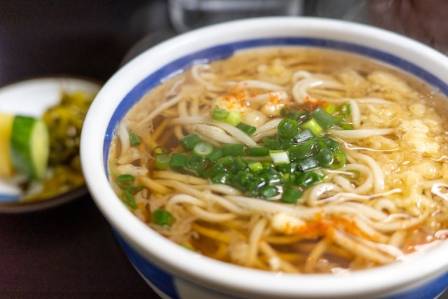
A steaming bowl of ramen—with its springy noodles, aromatic broth, and carefully curated toppings—has become synonymous with Japanese cuisine worldwide. Yet this beloved dish is far from a singular creation: it’s a tapestry of regional traditions, cultural adaptation, and culinary innovation, rooted in Chinese origins but reimagined as a distinctly Japanese icon. To call ramen Japan’s national dish is both accurate and misleading—accurate because it permeates every corner of the country, from street stalls to Michelin-recommended restaurants, and misleading because it encompasses hundreds, if not thousands, of unique variations. Like “pasta” in Italy or “curry” in India, “ramen” is an umbrella term, uniting dishes that share core elements but diverge wildly in flavor, texture, and style. From the clear, citrus-kissed shio ramen of Tokyo to the rich, spicy tan tan men of Osaka, ramen is a celebration of diversity—one that tells the story of Japan’s history, geography, and creative spirit. In this deep dive, we explore the essence of ramen, its journey from Chinese import to Japanese staple, its regional identities, and the art of crafting the perfect bowl, culminating in a classic Tokyo shoyu ramen recipe that captures the dish’s timeless appeal.
The Definition of Ramen: Beyond Noodles in Soup
To truly understand ramen, we must first strip it down to its core—and distinguish it from similar noodle dishes. At its most basic, ramen is defined by three non-negotiable elements: alkaline wheat noodles, a seasoned meat (or occasionally vegetable) broth, and a selection of toppings. But this simplicity belies its complexity. The alkaline salts (sodium carbonate and potassium carbonate) known as “kansui” are what set ramen noodles apart from udon, soba, or Chinese lamian. Kansui is derived from mineral-rich salt lakes, a technique tracing back to Mongolia, adopted by Chinese cooks, and eventually brought to Japan by migrant workers. This key ingredient gives ramen noodles their signature springiness, toothsome texture, and golden hue—qualities that make them ideal for soaking up rich broths without falling apart. Crucially, ramen is not just any noodle soup: in the Anglosphere, the term is often misapplied to dishes like “ramen udon,” a misnomer akin to “spaghetti fusilli,” as udon uses wheat flour without kansui and has a softer, chewier texture. Ramen’s definition is precise, yet flexible enough to accommodate endless variations—from broths made with pork bones (tonkotsu), chicken (toripaitan), or dried seafood (dashi-based) to toppings ranging from braised pork (chashu) and marinated eggs (ajitama) to fermented bamboo shoots (menma) and seaweed (nori). It is this balance of structure and freedom that has allowed ramen to evolve into the diverse culinary phenomenon we know today.
Origins and Cultural Evolution: From Chinese Noodles to Japanese Icon
Ramen’s history is a study in cultural adaptation—one that begins not in Japan, but in China. The use of kansui in noodle-making originated in Mongolia, where mineral-rich lakes provided the alkaline salts that gave noodles their unique texture. This technique spread to China, where it was integrated into regional noodle traditions, and eventually made its way to Japan in the late 19th century via Chinese migrant scholars, laborers, and restaurateurs. Early iterations of ramen in Japan were known as “shina soba” or “chuka soba”—terms meaning “Chinese soba,” reflecting their foreign origins. The former term, however, carries derogatory connotations and has been discarded, while “ramen” emerged as the preferred name. Contrary to popular belief, “ramen” is not a direct transliteration of the Chinese “lamian” (hand-pulled noodles), as ramen is rolled and cut, not stretched, and relies on kansui—an ingredient absent in lamian. Historian Barak Kushner notes that pinpointing a single origin story for ramen is impossible, as various Japanese corruptions of Chinese words independently led to the term “ramen” being used across the country. What is clear is that Japan’s willingness to adopt and reimagine foreign foods played a pivotal role in ramen’s evolution. Sociologist Koichi Iwabuchi’s concept of “cultural odour” helps explain this transformation: early ramen carried a distinctively Chinese “odour,” but Japanese chefs and diners gradually localized it, infusing it with domestic ingredients, techniques, and preferences. Ramen became a “glocal” dish—global in its origins, yet deeply local in its execution—reflecting Japan’s long history of adapting foreign influences to create something uniquely its own. By the mid-20th century, ramen had shed its “foreign” label and emerged as a symbol of Japanese identity, embodying both tradition and innovation.
Regional Diversity: Ramen as a Reflection of Japan’s Geography
Japan’s diverse geography—from the snow-capped mountains of Hokkaido to the subtropical islands of Okinawa—has shaped its culinary landscape, and ramen is no exception. Regional variations of ramen are as distinct as the regions themselves, each reflecting local ingredients, climate, and cultural traditions. Kyushu, often hailed as the spiritual home of ramen, remains closest to its Chinese roots. Nagasaki’s champon, developed in the 1890s, is a hearty bowl of thick noodles in a pork-and-seafood broth, piled high with stir-fried vegetables, meat, and seafood— a nod to the city’s history as a major port of international trade. Hakata-style ramen, from Fukuoka, is perhaps the most globally influential: thin, springy noodles served in a rich, creamy tonkotsu (pork bone) broth, often topped with chashu, menma, and a soft-boiled egg. This style sparked ramen booms in cities like Los Angeles, London, and Hong Kong, introducing millions to the joys of Japanese ramen. In Hokkaido, Sapporo-style ramen reflects the region’s European-inspired agriculture, incorporating miso (fermented soybean paste), butter, and sweetcorn into a robust pork broth— a combination that balances umami depth with subtle sweetness. Tokyo, meanwhile, is famous for its shoyu (soy sauce) ramen: a clear, delicate chicken-and-dashi broth seasoned with soy sauce, paired with medium-thick, wavy noodles and toppings like chashu, nori, and spring onions. Other regional styles include Sendai’s miso ramen (hearty and spicy, with chewy noodles), Kitakata’s thick, curly noodles in a soy-based broth, and Okinawa’s “soba” (a misnomer, as it uses wheat noodles) in a pork bone broth infused with konbu (kelp) and bonito flakes. This regional diversity is a testament to ramen’s adaptability, as chefs across Japan have tailored the dish to local tastes and ingredients, creating a culinary map that invites exploration.
The Art of Ramen-Making: A Labor of Love
Crafting a perfect bowl of ramen is no simple task—it requires time, skill, and a relentless attention to detail. Each component of the dish—the broth, noodles, and toppings—demands careful preparation, and the best ramen chefs dedicate years to mastering their craft. The broth, often called the “soul” of ramen, is the most labor-intensive element. Tonkotsu broth, for example, requires boiling pork bones for 12 hours or more, stirring constantly to emulsify the fat and create a creamy, rich liquid. Shoyu broth, by contrast, relies on a base of chicken bones, dried sardines (iriko), konbu, and bonito flakes, simmered for hours to extract depth of flavor without heaviness. The noodles must be perfectly balanced: springy enough to hold their shape, yet tender enough to absorb the broth. Many ramen shops make their own noodles, adjusting the ratio of flour to kansui to achieve the desired texture—thin noodles for rich broths, thicker noodles for lighter ones. Toppings, too, are crafted with precision. Chashu (braised pork) is often made by marinating pork loin or belly in soy sauce, mirin, and sugar, then slow-roasting or braising until tender and flavorful. Ajitama (ramen eggs) require exact timing: boiled for 6 minutes and 20 seconds to achieve a runny yolk, then marinated in soy sauce and mirin to infuse them with umami. Even seemingly simple toppings like menma (fermented bamboo shoots) and spring onions are chosen for their ability to add texture and brightness to the bowl. Given the time and skill involved, ramen is rarely made at home in Japan—most people rely on 专业 ramen shops or instant ramen for their fix. This dedication to craftsmanship is what elevates ramen from a simple noodle soup to a culinary art form, one that rewards patience and precision.
The Instant Ramen Revolution: Convenience Without Compromise
While traditional ramen is a labor of love, one of the most significant innovations in ramen history is instant ramen— a dish that has made ramen accessible to millions worldwide. Developed in 1958 by Taiwanese immigrant Momofuku Ando, instant ramen was born out of post-WWII hardship. Japan, devastated by the war, faced food shortages, and Ando sought to create a cheap, convenient, and nutritious food that could be prepared quickly. His solution: dried noodles and a packet of soup base that could be rehydrated with hot water in minutes. Instant ramen was an instant success, offering comfort and sustenance to a nation rebuilding itself. Today, instant ramen is a global phenomenon, with billions of servings consumed annually. It has evolved beyond the basic chicken or beef flavors, with regional variations that mirror traditional ramen styles—from tonkotsu to shoyu to miso—and even gourmet versions featuring premium ingredients like truffle oil and wagyu beef. Instant ramen’s enduring popularity lies in its ability to balance convenience, affordability, and comfort. For many, it is a nostalgic food, evoking memories of childhood, late nights, and simple pleasures. The Shin-Yokohama Ramen Museum, opened in 1994 by entrepreneur Yoji Iwaoka, commemorates the invention of instant ramen by recreating a 1958 Japanese street scene, inviting visitors to step back in time and experience the post-war era when instant ramen first emerged. The museum also features ramen shops from across Japan, highlighting the dish’s living history and the way instant ramen and traditional ramen continue to influence each other.
Tokyo Shoyu Ramen: A Classic Recipe from Harukiya
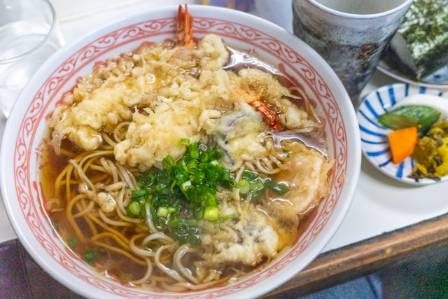
Tokyo shoyu ramen is the epitome of understated elegance— a clear, aromatic broth balanced with soy sauce, springy noodles, and simple yet flavorful toppings. This recipe is inspired by Harukiya, a legendary Tokyo ramen shop known for its delicate, umami-rich shoyu ramen. The key to this dish is the clear broth, which requires hours of simmering to extract depth of flavor without cloudiness, and the perfect balance of seasonings that enhance rather than overpower the broth. The chashu (braised pork) is tender and flavorful, while the soy-marinated egg adds a creamy, salty-sweet element that ties the dish together. While this recipe requires time and patience, the result is a bowl of ramen that captures the essence of Tokyo’s culinary tradition—simple, refined, and infinitely satisfying.
Recipe: Tokyo Shoyu Ramen
Serves: 4 | Prep Time: 1 hour | Cook Time: 10 hours (including chilling)Ingredients
-
For the broth:100g chicken feet (or extra chicken wings, if unavailable)1 chicken back6 whole chicken wings1 pig’s trotter, chopped (ask your butcher to prepare)20g iriko (dried sardines), guts and heads removed1 onion, peeled and quartered50g fresh ginger, sliced1 (10x10cm) sheet kombu seaweed, rinsed10g bonito flakes2 tbsp dark soy sauce3 tbsp light soy sauce2 tbsp mirin1 tbsp sea salt flakesWater (to top up as needed)
-
For the chashu (braised pork):4 tbsp soy sauce2 tbsp light soft brown sugar500g pork loin
-
For serving:600g fresh (or 400g dried) medium-thick wavy ramen noodles80g menma (fermented bamboo shoots)2 spring onions, thinly sliced1 sheet nori seaweed, cut into 4 squaresSoy-marinated eggs (optional, recipe below)
Soy-Marinated Eggs
-
4 small eggs (chilled)
-
150ml soy sauce
-
50ml mirin
Method
1.Prepare the broth (1 day in advance): Preheat the oven to 120°C (fan 100°C, gas ½). In a large casserole dish, combine the chicken feet, chicken back, wings, pig’s trotter, iriko, onion, ginger, and 1.8 liters of water. Bring to a simmer over medium heat and cook for 30 minutes, skimming the surface constantly to remove scum (this ensures the broth remains clear). If any bones are uncovered, add more water to cover. Cover the dish with a lid and transfer to the oven, cooking for 5 hours.
2.Infuse and strain the broth: Remove the casserole from the oven and discard the bones. Strain the broth through a fine sieve into a clean container. Add the kombu and bonito flakes, and let infuse for 1 hour. Strain again to remove the kombu and bonito flakes, then measure the broth—you should have 1.4 liters. Top up with water if necessary, then chill in the fridge overnight.
3.Make the chashu (1 day in advance): Preheat the oven to 140°C (fan 120°C, gas 1). In a small bowl, stir together the soy sauce and brown sugar until the sugar dissolves. Score the pork loin lightly and rub the soy-sugar mixture all over. Place the pork in a roasting tin and roast for 30 minutes, or until a meat thermometer reads 57°C. Let the pork cool to room temperature, then chill in the fridge overnight.
4.Prepare the soy-marinated eggs (1 day in advance): Bring a small saucepan of water to a boil. Gently lower the chilled eggs into the boiling water and cook for exactly 6 minutes and 20 seconds (this achieves a runny yolk). Immediately transfer the eggs to a bowl of ice water to cool. Once cool, peel the eggs and place them in a container. Mix the soy sauce and mirin, then pour over the eggs, ensuring they are fully submerged. Marinate for at least 30 minutes, or overnight for deeper flavor.
5.Finish the broth: The next day, remove the chilled broth from the fridge and skim off the solidified fat (reserve this fat for serving). Use a ladle to transfer the broth to a clean saucepan, leaving any sediment at the bottom to maintain clarity. Place the saucepan over medium-high heat and bring to a simmer. Add the dark soy sauce, light soy sauce, mirin, and sea salt flakes, stirring to combine.
6.Prepare the toppings and noodles: Gently melt the reserved broth fat in a small saucepan or microwave. Thinly slice the chilled chashu. Cook the ramen noodles according to the packet instructions (fresh noodles usually take 1-2 minutes, dried noodles 3-4 minutes), then drain well.
7.Assemble and serve: Divide the cooked noodles among four bowls. Ladle the hot broth over the noodles, ensuring each bowl has an even amount. Top each bowl with sliced chashu, menma, and thinly sliced spring onions. Drizzle a spoonful of melted broth fat over the top (this adds richness and aroma). Place a square of nori on the side of each bowl and halve the soy-marinated eggs (if using), adding one half to each bowl. Serve immediately, piping hot.
Ramen’s Enduring Appeal: Contradictions and Timelessness
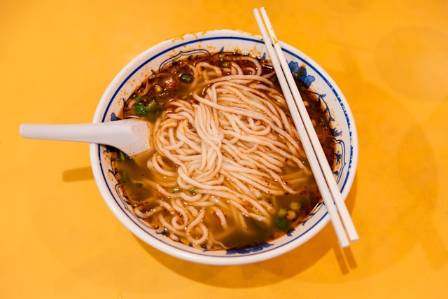
Ramen’s popularity lies in its contradictions— it is a thoroughly modern dish that evokes nostalgia for a bygone era, a simple comfort food crafted with artisanal precision, a foreign import that has become a symbol of Japanese identity. George Solt, author of The Untold History of Ramen, describes ramen as a “food of opposition,” highlighting these inherent contradictions. It is a working-class dish with immigrant roots, yet it is served in high-end restaurants by master chefs. It is affordable and convenient (thanks to instant ramen), yet traditional ramen requires hours of labor to prepare. It is deeply local, reflecting regional ingredients and traditions, yet it is a global phenomenon, beloved by people of all cultures. These contradictions are not flaws—they are what make ramen so fascinating and enduring. Ramen is more than just food; it is a cultural touchstone that connects people across time and place. It is the comfort of a hot bowl on a cold day, the excitement of exploring regional variations while traveling, the nostalgia of childhood instant ramen nights. It is a dish that adapts to changing tastes and trends, yet remains true to its core elements—alkaline noodles, flavorful broth, and thoughtful toppings. In a world of constant change, ramen is a constant— a reminder that the best culinary traditions are those that balance respect for the past with openness to the future. Whether enjoyed in a tiny Tokyo alleyway shop, a bustling New York City ramen bar, or at home with a packet of instant noodles, ramen continues to captivate and delight, solidifying its place as one of the world’s most beloved dishes.