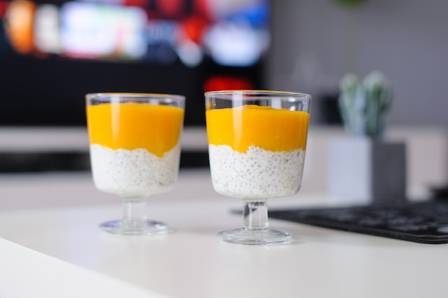
Sunday column
Mango Sago: Quick Creamy Hong Kong Dessert
Mango sago is a cherished dessert across Asia, featuring soft tapioca pearls immersed in a luscious mango and coconut milk mixture. Originating in Hong Kong and widely loved throughout Southeast Asia, this chilled treat combines the natural sweetness of ripe mangoes with the chewy texture of sago pearls, offering a refreshing and satisfying dessert.
Ember Sage
Desk editor
Editor’s note
The full column continues in quiet type below.
Section
Sunday Broadsheet
Mango sago is a cherished dessert across Asia, featuring soft tapioca pearls immersed in a luscious mango and coconut milk mixture. Originating in Hong Kong and widely loved throughout Southeast Asia, this chilled treat combines the natural sweetness of ripe mangoes with the chewy texture of sago pearls, offering a refreshing and satisfying dessert.
With just four ingredients, half an hour, and a blender, you can make this popular Asian dessert at home, achieving results reminiscent of a Hong Kong dessert shop. This guide covers the classic mango sago, the mango pomelo sago variation, a drink version, and tips for preparing it ahead of time for gatherings.
What is Mango Sago?
Mango sago is a Cantonese dessert from Hong Kong, part of the “tong sui” tradition — sweet soups or custards served warm or chilled at the end of a meal. It combines fresh mango, coconut milk, and sweetened condensed milk with small tapioca pearls. Some versions add pomelo for a mango pomelo sago, giving a citrusy twist to the dessert.
This dessert was created in the 1980s by Lei Garden, a Chinese restaurant, to provide Singaporeans with a refreshing treat during hot summers. Its popularity quickly spread across Asia.
Sago vs. Tapioca
Although sago and tapioca differ technically, the terms are often used interchangeably. True sago comes from the sago palm, while tapioca is derived from cassava root. Most “sago” desserts actually use tapioca pearls due to their accessibility and lower cost. These pearls are naturally vegan and halal, as they contain no gelatin or animal products.
Ingredients for 4 Servings:
3 large ripe mangoes (low-fiber types like Ataulfo, Alphonso, Carabao, or Kent)
400ml coconut milk
2–3 tablespoons sweetened condensed milk (adjust to taste)
½ cup small tapioca pearls (2mm, not instant or large boba)
Optional: pomelo segments, fresh mint for garnish
For a smooth texture, choose soft, low-fiber mango varieties. Frozen mangoes can be used after fully thawing, though the flavor is slightly less intense.
How to Make Mango Sago
Cook the Tapioca Pearls
Bring a large pot of water to a boil, then reduce to medium heat. Add the tapioca and cook for 10 minutes, stirring frequently. Cover and let rest for 15 minutes to ensure the pearls cook through. Rinse the pearls in cold water to remove excess starch and prevent clumping. Keep them submerged in water until ready to assemble.
Prepare the Mango Base
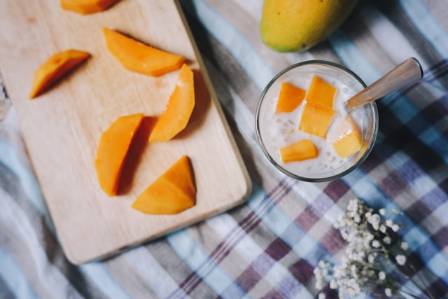
Peel and cut the mangoes, reserving one mango’s cubes for topping. Blend the rest with coconut milk and sweetened condensed milk until smooth. Adjust consistency with extra coconut milk if necessary and taste for sweetness.
Combine and Chill
Add the cooked tapioca pearls to the mango mixture and stir gently. Chill in the refrigerator for at least 30 minutes, up to 2 hours, for the best refreshment.
Serve
Spoon into clear glasses to highlight the vibrant color and pearls. Top with reserved mango cubes, a drizzle of coconut milk, and optional pomelo or mint.
Common Mistakes with Tapioca Pearls
Undercooked pearls remain white inside — return them to simmering water for a few minutes, then rest again. Overcooked pearls become mushy — next time, check earlier and reduce resting time. Rinse cooked pearls thoroughly to prevent clumping.
Mango Pomelo Sago
The full version adds pomelo, giving a tart counterbalance to the sweet mango. Peel the fruit, remove pith, and separate the sacs. Add about 1 cup of pomelo sacs for a 4-serving batch. Grapefruit can be a substitute.
Mango Sago Drink
For a drinkable version, increase coconut milk to 600ml, reduce tapioca to ¼ cup, and blend the mango base as usual. Pour over ice in tall glasses with a wide straw for the pearls. This resembles a mango boba drink — refreshing, lighter, and portable. Serve immediately.
Make-Ahead Tips
Store mango base, coconut milk, and cooked tapioca separately to preserve texture. Prepare up to a day in advance. Refrigerated leftovers last 2–3 days, though pearls soften over time. Freezing is not recommended.
Frequently Asked Questions
What is mango sago made of?
The dessert consists of soft tapioca pearls in a creamy mango-coconut milk base. Core ingredients are fresh mango, coconut milk, condensed milk, and small tapioca pearls, with optional pomelo or mint.
Is it vegan?
Traditional recipes use condensed milk. To make it vegan, substitute condensed coconut milk and ensure the coconut milk is plant-based.
Which tapioca pearls should I use?
Use small 2mm pearls, not instant or boba. Popular brands include EFE, Cock Brand, and Bob’s Red Mill.
Can I skip coconut milk?
Yes, use evaporated milk, whole milk, or cream instead. The texture remains creamy, but the coconut flavor will be missing.
Why are my pearls clumping?
Rinse them in cold water and drain well before mixing into the mango base. Stir gently if they stick after combining.
How long does it last?
Refrigerate for up to 3 days, stirring before serving. For optimal texture, consume within 2 days.
Final Notes
Mango sago is a dessert that looks impressive but takes just 30 minutes and four ingredients. The key is cooking the tapioca pearls perfectly. The combination of sweet, creamy mango and chewy pearls is irresistible. Peak season for mangoes is May to July, ideal for enjoying this dessert at its best. Add pomelo for the full Hong Kong dessert experience.
More from the edition
Column · en
Identifying White Herons: A Comprehensive Guide
Observing white wading birds offers a fascinating opportunity to hone your wildlife identification skills. While these elegant creatures may appear similar at first glance, each species possesses unique characteristics that distinguish them from their relatives. Learning to recognize these differences will greatly enhance your birdwatching experiences in wetland habitats.
Column · en
Fascinating Facts About the Common Chimpanzee
The common chimpanzee (Pan troglodytes) is considered one of the most intelligent and socially sophisticated animals on Earth. As one of humans’ closest living relatives, chimpanzees share approximately 98% of their DNA with us, offering valuable insights into the evolutionary relationship between humans and other animals. With their remarkable intelligence, complex societies, emotional abilities, and diverse behaviors, chimpanzees have fascinated researchers and wildlife enthusiasts for many decades.
Column · en
The Empire State Building and Its Historical Journey of Innovation and Fire Protection
Very few architectural masterpieces across the globe seize human curiosity as profoundly as the iconic skyscraper dominating midtown Manhattan. Soaring one thousand four hundred and fifty-four feet into the sky, this structure has remained a definitive monument of the ambition and fortitude of New York City ever since its grand opening in nineteen hundred and thirty-one. While its beautiful art-deco styling and legendary cultural status are celebrated on a global scale, the deep history of the tower is also intimately bound to critical breakthroughs in life safety and fire suppression elements which have successfully guaranteed that it remains both an incredible engineering triumph and a secure sanctuary for the countless millions of individuals who step through its doors over the generations.
Column · en
What is inside a Japanese bento box?
Bento boxes are an important part of Japanese culinary tradition and can be found throughout Japan in countless styles, ranging from convenient store-bought meals to carefully crafted handmade creations.
Column · en
The Best Selling Vehicles Dominating British Roads Right Now
Fully electric vehicles secured an unprecedented thirty percent of the automotive market in the United Kingdom during the month of June, representing the highest performance observed throughout the current year. This surge helped propel overall vehicle registrations upward by eleven point four percent to hit a grand total of 213,166 units, according to recent data published by the Society of Motor Manufacturers and Traders. This exceptional performance marked the strongest showing for the month of June since the year 2019, with the expansion driven entirely by low-emission options as automakers continue to roll out more electric and hybrid models while fresh automotive brands enter the British marketplace. Consumer appetite for electric mobility was further accelerated by climbing fuel prices connected to ongoing geopolitical tensions in the Middle East.
Column · en
What Are Nebulae And How Are They Formed?
Nebulae are enormous collections of gas and dust drifting through space. The singular form is "nebula," while the plural is "nebulae." These magnificent structures rank among the most beautiful sights in the universe. Over time, astronomers have given many nebulae names inspired by familiar objects and creatures, including birds, insects, sea animals, mammals, and even supernatural figures.