Sunday column
What is inside a Japanese bento box?
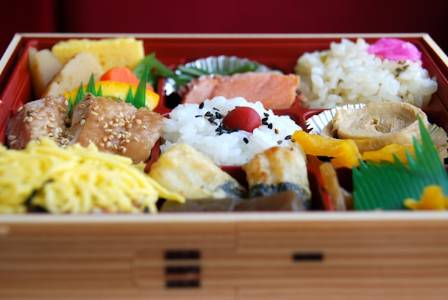
Bento boxes are an important part of Japanese culinary tradition and can be found throughout Japan in countless styles, ranging from convenient store-bought meals to carefully crafted handmade creations.
Melody Evans
Desk editor
Editor’s note
The full column continues in quiet type below.
Section
Sunday Broadsheet
Bento boxes are an important part of Japanese culinary tradition and can be found throughout Japan in countless styles, ranging from convenient store-bought meals to carefully crafted handmade creations.
For Japanese people of all ages, bento offers an affordable, practical, and enjoyable way to have a balanced meal during the day. These beautifully arranged lunch boxes are not only about food but also represent care, creativity, and Japanese attention to detail.
What Is a Bento Box?
A bento is a single-serving meal packed neatly inside a container. It can be a homemade lunch prepared in advance or a ready-to-eat meal purchased outside.
The word “bento” comes from the Chinese term “Biandang,” which means convenience or usefulness.
Today, prepared bento meals are widely available throughout Japan. You can find them in convenience stores, specialty bento shops, train stations, supermarkets, and department stores.
However, many Japanese families still make homemade bento lunches, especially for children during their school years or for family members going to work. Preparing a bento is often seen as a meaningful way to express love and thoughtfulness.
The History and Origins of Bento
Bento has a long history in Japan, with some researchers suggesting that its origins can be traced back as far as the 5th century.
The popularity of bento grew significantly during the 12th century when a type of cooked and dried rice called “Hoshi-ii” was developed. The name literally means “dried meal.”
Hoshi-ii could be eaten directly or rehydrated with water to create cooked rice. Because it was lightweight and easy to store, it became a convenient food for workers and travelers.
As bento culture developed over time, people began adding different foods alongside rice. Today, countless varieties of bento exist, making it one of the most recognizable symbols of Japanese food culture.
What Is Usually Inside a Japanese Bento Box?
A traditional Japanese bento is designed to provide a balanced meal in one container. It commonly includes a carbohydrate source such as rice or noodles, a protein such as fish or meat, and a selection of cooked or pickled vegetables.
Rice-based bento, including those featuring rice balls or sushi-style rice, are also extremely popular.
Common foods found in Japanese bento include:
Rice — The foundation of many bento meals. It can be prepared in different styles, including hakumai (white steamed rice), genmai (brown rice), sekihan (rice mixed with red beans), zakkokumai (mixed grain rice), and noriben (rice topped with nori seaweed).
Tamagoyaki — A sweet Japanese rolled omelet that is a classic bento ingredient.
Umeboshi — Traditional Japanese pickled plums often placed in rice for flavor and preservation.
Fresh salads — Seasonal vegetables and fruits that add freshness and color.
Potato or pasta salad — Popular side dishes that provide extra texture and flavor.
Pickled or cooked vegetables — Options may include pickled ginger, broccoli, carrots, bean sprouts, edamame, and other seasonal vegetables.
Agemono — Japanese deep-fried foods such as tempura, chicken karaage, croquettes, and fried fish cakes.
Tonkatsu — A crispy breaded pork cutlet served with a special tonkatsu sauce.
Grilled fish — Common choices include salmon, mackerel, and unagi (Japanese eel).
Yakitori — Skewered grilled chicken served with a sweet and savory sauce.
Nimono — Ingredients such as vegetables, meat, or fish slowly simmered in flavorful broth.
Gyudon — Thinly sliced beef and onions cooked in a savory-sweet sauce and served over rice.
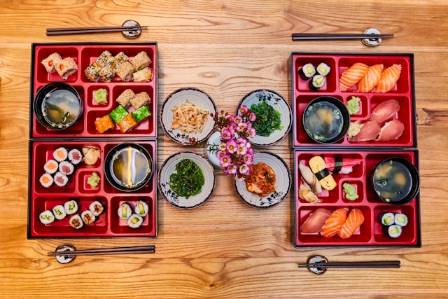
Sushi — Fresh seafood placed on top of pressed rice.
Sushi maki — Rolled sushi containing ingredients such as fish, vegetables, and rice wrapped in seaweed.
How Bento Boxes Are Traditionally Enjoyed
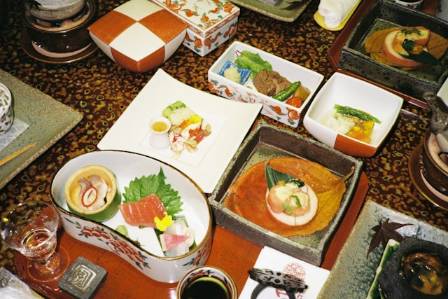
Japanese meals are often served as several individual dishes on small plates, and bento follows a similar idea by arranging different foods separately inside one container.
Each ingredient is carefully organized using dividers or small cups to prevent different flavors from mixing together. This not only keeps the meal visually appealing but also helps maintain food quality and extend freshness.
Bento meals are usually prepared to be eaten at room temperature or chilled, although some types can also be reheated.
The food is typically cut into small, convenient pieces, making it easy to eat with chopsticks.
Popular Types of Japanese Bento
Bento comes in many different shapes, sizes, and styles. Some of the most common varieties include:
Marukonouchi Bento
Marukonouchi bento is a commercially prepared lunch box commonly sold in convenience stores and supermarkets.
The container is usually divided into two sections. One side contains rice, while the other side includes various small dishes and side items.
Hinomaru Bento
The name Hinomaru means “circle of the sun,” referring to the Japanese national flag.
A traditional Hinomaru bento consists of plain white rice with a single umeboshi pickled plum placed in the center, representing the sun. It is often served with additional meat or fish dishes.
The umeboshi not only adds flavor but also works as a natural preservative to help keep the meal fresh.
Ekiben Bento
Ekiben is a special type of bento sold at railway stations and on trains.
These lunch boxes are complete meals packed in containers made from materials such as plastic, wood, or ceramic and usually come with disposable chopsticks.
Many train stations are famous for their unique ekiben, which highlight local ingredients and regional specialties.
Noriben
Noriben is a simple and traditional bento featuring nori seaweed seasoned with soy sauce and placed over cooked rice.
It is one of the simplest forms of Japanese bento but remains a beloved classic.
Kyaraben
Kyaraben, or character bento, is especially popular among children.
These creative lunch boxes use rice and other foods shaped and arranged to resemble characters from anime, movies, or video games.
Besides making meals more attractive, these cute designs can encourage children to enjoy foods they may normally avoid.
How to Make Your Own Bento Lunch
Creating a bento at home is easier than many people think. There are no strict rules, allowing you to choose ingredients based on your preferences.
You can prepare a simple meal using sushi rolls, cooked rice, grilled or simmered meat, vegetables, or even sushi and sashimi. For those who enjoy creativity, arranging food into an artistic design can make opening the lunch box an exciting experience.
A common guideline for bento food proportions is the 4-3-2-1 method:
Four parts carbohydrates, such as rice or noodles.
Three parts protein, such as meat or fish.
Two parts vegetables.
One part tsukemono (Japanese pickled vegetables) or dessert.
Tips for Preparing a Safe Bento
Food safety is especially important when making bento during warmer months because higher temperatures can cause food to spoil more quickly.
Choose a high-quality food-safe bento container that is leakproof, easy to clean, and durable.
Make sure most ingredients are fully cooked or properly heated unless preparing specific dishes such as sushi. Raw seafood should be handled carefully and is generally best avoided in hot weather.
Freshly cooked rice and other hot foods should be cooled to room temperature before sealing the container. Trapped heat and steam can create moisture buildup, which encourages bacterial growth.
Finally, keep your bento stored in a cool, dry place whenever possible to maintain freshness and safety.
Bento is more than just a packed meal—it is a reflection of Japanese culture, creativity, and the care people put into preparing food for themselves and others.
More from the edition
Column · en
Mastering the Art of Stovetop Popcorn
Say goodbye to burnt kernels and hello to fluffy, crispy perfection—this old-school trick makes homemade popcorn foolproof. Forget the microwave bag. With just a bit of oil and a clever timing trick, you can turn a handful of kernels into a bowl of golden, fluffy popcorn—no fancy gadgets needed.
Column · en
The Most Beautiful and Magical Desert on Earth — Brazil’s Desert
The world is filled with extraordinary places and rare natural phenomena that seem almost impossible to imagine. One of these remarkable landscapes can be found in Brazil, where vast white sand dunes surround crystal-clear lagoons in shades of turquoise and blue-green. The water is so transparent that the bottom can often be seen, while fish and shrimp move beneath the surface. When the sun begins to set, the entire landscape takes on an even more spectacular appearance. The result looks almost like a paradise created on Earth.
Column · en
Beautiful and Deserted Roads in the US
Road trips can bring to mind everything from bumper-to-bumper traffic and roaring semitrucks to peaceful stretches of countryside. Yet the popularity of U.S. National Scenic Byways suggests that many travelers would rather spend their time enjoying beautiful landscapes without dealing with heavy traffic. In fact, some of the country's most impressive roads are also among its least crowded.
Column · en
A Good Bowl of Borscht Can Change Your Life
The best bowl of borscht I ever tasted came from a punk house in the summer before I turned eighteen. At that point, I had already been on my own for nearly two years, drifting between whoever would take me in after my mother left town. I survived mostly on whatever vegan food I could scavenge or afford, eating a very simple, carb-heavy diet that kept me going but not much more.
Column · en
Vintage Convertible Cars That Feel Timeless
There is something truly special about vintage convertible cars. They transform every journey into an experience rather than just transportation. With elegant silhouettes, open roofs, and classic appeal, these timeless vehicles never go out of fashion. Iconic models such as the Ford Mustang and Chevrolet Corvette still appear stylish and relevant even many decades after their debut.
Column · en
Cloud-Like Matcha Chiffon Cake: Elevate Your Baking with Asian Bakery Elegance
There’s a timeless allure to a perfectly crafted matcha chiffon cake—its texture so light and fluffy it mimics a wisp of green cloud, while the earthy, umami-rich notes of matcha weave through every bite, balanced by the silky smoothness of matcha-infused whipped cream. This isn’t just a dessert; it’s a love letter to Asian bakery traditions, blending simplicity with intentionality to create a treat that feels both comforting and sophisticated. I’ve waited years to share this recipe, as it’s been a personal favorite and one of my most requested creations—born from my days of long, creative test sessions at TuCha in Los Angeles, where I sought a cake that married the homey warmth of the Asian bakery treats I grew up with in Sydney with the refined touch needed for a café counter. After several iterations to nail the ideal balance of airiness and matcha depth, it’s now my go-to when I crave quiet comfort after a busy day in the kitchen: simple, soothing, and steeped in nostalgia. By popular demand, this version is scaled up to an 8-inch pan (a upgrade from the original 6-inch), making it perfect for sharing with loved ones.