Quiet Type Edition
NTnotedthesundy.com
← Back to desk5 min column
An Introductory Guide to the Heritage of Japanese Bento Boxes

Sunday column

An Introductory Guide to the Heritage of Japanese Bento Boxes

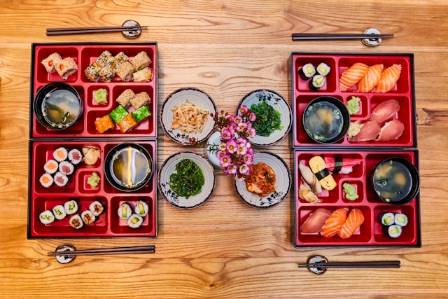
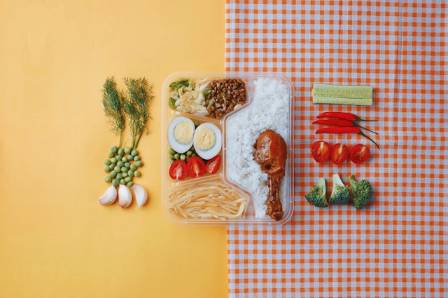
For enthusiasts of Japanese gastronomy or those who have explored the nation's rich traditions, the concept of the bento box is likely familiar. Essentially, an "obento" refers to a meal systematically arranged within a specialized portable container, designed for consumption away from home.

C

Cali

Desk editor

Editor’s note

The full column continues in quiet type below.

Section

Sunday Broadsheet

For enthusiasts of Japanese gastronomy or those who have explored the nation's rich traditions, the concept of the bento box is likely familiar. Essentially, an "obento" refers to a meal systematically arranged within a specialized portable container, designed for consumption away from home. The etymology of the term traces back to a word meaning "handy" or "useful," emphasizing its role as a practical solution for mobile dining. While portable lunches are a global phenomenon, the Japanese iteration is uniquely sophisticated, characterized by meticulous preparation and artistic presentation tailored to the container's dimensions.

The Historical Roots of the Bento in Japan

The initial appearance of these meal containers dates back to the Kamakura era (1185-1333). Historians believe they were first utilized by laborers such as farmers and traders to carry sustenance to their workplaces. These early versions were typically crafted from rudimentary materials like wood or bamboo. As the centuries progressed, the aesthetic value of the bento increased, eventually transforming into exquisite pieces of lacquerware adorned with elaborate artistry on both the exterior and interior surfaces.
During the Edo era (1603-1868), the bento became a staple of social life, serving as the standard method for bringing food to schools or places of employment. In this timeframe, wooden constructions remained common, often featuring internal walls to ensure different food items remained distinct.

The Modern Transformation of the Japanese Lunch Box
The Meiji era (1868-1912) introduced significant shifts as Japan opened up to global influences. This period saw the debut of metal containers made from aluminum or tin, which offered a lighter alternative to traditional timber.
By the Taisho era (1912-1926), the popularity of the bento surged further as it became a centerpiece for leisure activities like social gatherings and picnics. This era also marked the introduction of plastic materials, providing even greater portability and ease of use.
In contemporary society, the bento remains the primary method for meal transport in Japan. The variety is immense, ranging from basic synthetic boxes to premium, artisan-crafted bamboo and lacquer pieces. Some modern designs even cater to enthusiasts with shapes resembling locomotives like the Shinkansen, or various popular animated figures.

Diverse Categories of Bento

Bento boxes are deeply integrated into the daily rhythm of Japanese life. They are often classified by their source or specific style. Ready-to-eat versions found at railway hubs are known as "Ekiben," while those sold at local convenience stores are referred to as "Conbini bento." Most citizens, however, carry home-cooked meals simply called "Obento" to manage household expenses. For those seeking visual flair, "Decoben" features elaborate themes and artistic characters.
Ekiben are specialized boxes found at train stations, often highlighting local delicacies and regional recipes, making them a favorite for travelers.
Conbini bento are ubiquitous in 24-hour convenience shops. Despite their modest price, the quality is often impressively high, with menus changing according to the season.
Home-prepared Obento are typically assembled for students or employees. The effort involved can be significant, with some individuals rising before dawn to ensure a fresh and balanced meal.
Decoben focus on decorative aesthetics, using ingredients to create visual masterpieces that require considerable patience and skill.

Common Materials Used in Construction

The choice of material for a bento box often depends on the specific needs of the user or the formality of the occasion.
Timber Containers: Often crafted from Paulownia or bamboo, these provide a rustic and environmentally friendly appeal. While lightweight and sturdy, they require careful hand-washing and are not suitable for microwave use.
Lacquerware: These traditional items are finished with Urushi lacquer, providing a high level of durability and stain resistance. They are prized for their beauty but require meticulous maintenance and carry a higher price tag.
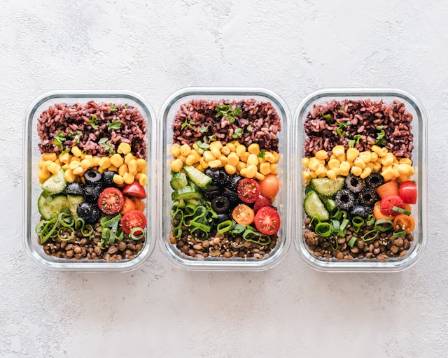
Synthetic Plastic: The most flexible and common choice for modern families. These are often dishwasher-safe, microwavable, and come in countless colors. High-quality, BPA-free versions are recommended for longevity and safety.
Metallic Boxes: Constructed from stainless steel or aluminum, these are robust, easy to sanitize, and eco-friendly. While they cannot be used in a microwave, they are excellent for outdoor adventures.
 
Glass Options: Tempered glass allows the contents to be seen clearly and provides a secure, airtight environment for food. Though heavier and more fragile than other types, they are highly functional for home-to-office use.
Thermal Containers: These specialized boxes feature double-wall insulation to maintain the temperature of hot or cold dishes. Usually made of stainless steel, they are premium options that prioritize food temperature over microwave compatibility.

Structural Varieties and Designs

Bento boxes are available in a wide array of geometric forms and organizational layouts:
Square and rectangular formats for efficient packing.
Circular and traditional oval "wappa" silhouettes.
Multi-tiered systems that stack vertically.
Modular designs with removable dividers to keep flavors isolated.

Summary

Utilizing a bento box is an excellent strategy for maintaining a nutritious diet while reducing daily expenditures. They serve as a sustainable alternative to throw-away packaging and offer a touch of cultural heritage to every meal. With the vast selection available today, there is a perfect portable meal solution for every individual.
Would you like me to find some specific recipes or traditional menu layouts to help you start filling your new bento box?

More from the edition

Column · en

Top 10 Most Dependable Vans

Dependability is a crucial factor when it comes to commercial vehicles. Ensuring that your vehicle maintains top-notch performance is key to the ongoing success of your business. Below, we’ve compiled a list of the most reliable vans currently available in the UK, which are part of the reason Vanwise is known for offering great value in vans for sale. Take a look at the list and reach out to our sales team for more information.

Column · en

Hummingbirds have underdeveloped legs, so they cannot walk

North America is home to 18 species of hummingbirds. These extraordinary birds occur naturally only in the Americas, including North, Central, and South America.

Column · en

Mastering Cyclamen Care for Lasting Winter Blooms

Cyclamen persicum is a charming plant known for its sweet-scented flowers that come in shades of pink, red, white, and purple. These blossoms stand tall above dense, heart-shaped leaves that often feature attractive silver patterns. As a perennial that grows from tubers, this plant follows a unique cycle where it rests during the summer and comes back to life in the autumn. While it is a beloved indoor plant during the winter holidays, owners should be mindful that it is poisonous to humans and pets.

Column · en

" WHIMSICAL WONDERS: CHOOSING THE PERFECT WALL ART FOR YOUR LITTLE ONE'S HAVEN"

Discover wonders on quirky walls, where imagination runs wild in a riot of vibrant expressions.

Column · en

Definitive Guide to Decorating Tables with Fresh Flowers

Matching flower varieties and colors to the table’s overall theme helps elevate the mood and visual harmony.

Column · en

Seven Surprising Facts about Coral

When you picture the ocean, you may immediately think of vibrant coral reefs filled with remarkable colors, unusual shapes, and countless marine creatures. Although coral reefs are beautiful to look at, there is far more happening beneath the surface than their appearance suggests. Understanding what makes corals unique also helps us recognize why they are so important to protect, both for the health of our oceans and for the planet as a whole.