
Sunday column
Cultivating The Elegant And Tranquil Peace Lily
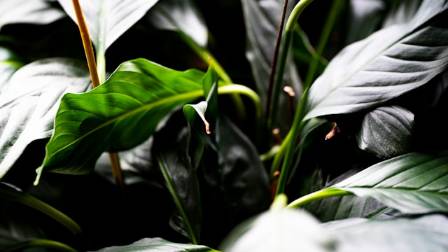
These remarkable plants bring a calm and tropical atmosphere to any indoor space, earning their common name because their pristine white spathes resemble traditional flags of truce, even though they are technically tropical aroids rather than true lilies. With proper care, these resilient plants can thrive for many years and produce continuous, elegant blooms. They are exceptionally well-suited for homes and offices because they tolerate lower light conditions and actively filter airborne dust and mold spores from the environment. Growing between one and four feet tall, they feature striking dark green foliage that beautifully contrasts with their bright white flowers, making them a stunning addition to any interior design.
Anthony Paul Jackson
Desk editor
Editor’s note
The full column continues in quiet type below.
Section
Sunday Broadsheet
These remarkable plants bring a calm and tropical atmosphere to any indoor space, earning their common name because their pristine white spathes resemble traditional flags of truce, even though they are technically tropical aroids rather than true lilies. With proper care, these resilient plants can thrive for many years and produce continuous, elegant blooms. They are exceptionally well-suited for homes and offices because they tolerate lower light conditions and actively filter airborne dust and mold spores from the environment. Growing between one and four feet tall, they feature striking dark green foliage that beautifully contrasts with their bright white flowers, making them a stunning addition to any interior design.
Selecting The Perfect Location For Optimal Growth
While these tropical plants can survive in very dim corners, placing them in low light will significantly reduce their ability to produce flowers. If your primary goal is to enjoy lush green foliage, a darker spot is acceptable, but achieving a beautiful floral display requires positioning the plant in an area with bright, indirect sunlight. It is also crucial to keep them away from cold drafts and air conditioning vents, as their tropical nature makes them highly sensitive to sudden temperature drops and chilly conditions. Additionally, you must be aware that the leaves contain natural calcium oxalate compounds that can cause oral irritation and digestive upset if ingested, so it is essential to keep them safely out of reach of curious children and household pets.
Mastering The Art Of Repotting And Soil Selection
These plants actually prefer to be slightly rootbound and do not thrive in excessively large containers, so you should only upgrade their home when the plant begins to wilt frequently, indicating that the roots have consumed most of the soil and can no longer retain adequate moisture. When repotting, choose a high-quality, well-draining indoor potting mix that is free of heavy compost or large bark chunks, as these organic materials tend to harbor tiny flying insects. Select a new pot with proper drainage holes that is only one to two inches wider in diameter than the current root ball. Fill the bottom third of the new container with fresh soil, gently position the plant so the top of the root system sits about an inch below the rim, and fill the remaining space. Water thoroughly until moisture escapes the drainage holes, and place a saucer underneath to protect your furniture from excess water.
Establishing A Consistent Watering Routine
Maintaining consistently moist soil is key, but you must avoid letting the roots sit in saturated, waterlogged conditions. The best approach is to check the top inch of the soil regularly and water deeply whenever it feels dry to the touch, allowing the excess to drain completely. Be sure to empty the drainage saucer thirty minutes after watering to prevent root rot and fungal issues. These plants are famous for their dramatic wilting when thirsty, often drooping completely as if they are exhausted. Fortunately, this is easily reversible. Simply give them a thorough watering, allow the soil to absorb the moisture, and water again if necessary. The plant will quickly perk up and return to its former glory within a few hours.
Providing Essential Nutrients And Dividing Overgrown Plants
As your plant matures and establishes a robust root system, it will gradually deplete the available nutrients in the soil and require supplemental feeding. Apply a balanced, water-soluble indoor plant fertilizer according to the package instructions to support healthy foliage and encourage continuous blooming throughout the growing season. Over time, the plant will eventually fill its container entirely with roots, signaling that it is time to either move it to a slightly larger pot or divide it into multiple smaller plants. To divide the plant, gently remove it from its container and carefully pull the root mass apart into smaller sections. Replant these divisions into new pots that are just slightly larger than their individual root clumps, and you can even share the extra plants with friends or place them in different rooms to expand your indoor garden.

Troubleshooting Common Care Issues And Pests
While generally very resilient, you might occasionally encounter a few minor issues that require your attention. Tiny flying insects known as fungus gnats can appear if the soil remains constantly wet, so allowing the top layer to dry out slightly between waterings and using yellow sticky traps can effectively manage them. If you notice older leaves turning yellow, this is often a natural part of the aging process and can be simply trimmed away at the base, though persistent yellowing might indicate overwatering. Brown, crispy leaf edges usually suggest that the plant is receiving harsh direct sunlight or suffering from low ambient humidity. Moving the plant away from direct sunbeams and placing its pot on a tray filled with water and pebbles will help increase the local humidity. If your plant is producing plenty of leaves but absolutely no flowers, it simply needs to be relocated to a brighter spot with more indirect light. Finally, the broad leaves tend to collect household dust, which can block light absorption, so giving the plant a gentle shower or wiping the leaves with a damp cloth will keep them clean, healthy, and beautifully vibrant.
More from the edition
Column · en
How to Make Classic Tiramisu
Tiramisu is somewhat similar to an icebox cake, with layers of cookies and a creamy filling. However, it has a few defining elements that make it unique.
Column · en
Gorilla: The Largest of the Great Apes
Gorillas are the biggest members of the great ape family. Although they are incredibly powerful and can be more than ten times stronger than humans, they share about 98.3% of their genetic makeup with people, making them one of our closest relatives after chimpanzees and bonobos.
Column · en
The Rise of Sandboarding: From Niche Sport to Mainstream Attraction
The roots of sandboarding extend back centuries, though its exact birthplace remains uncertain. Many believe it first appeared in ancient Egypt or Peru, where wooden boards were used to slide down dunes for fun or even as a practical means of travel. Egyptians often incorporated sand sliding into festivals and public celebrations, while Peruvians harnessed it to navigate their desert terrain.
Column · en
World’s most beautiful winter scenes
When winter arrives, some places transform into breathtaking scenes covered in snow, ice, and frost. Frozen lakes, snow-covered villages, icy mountains, and landscapes wrapped in a quiet winter atmosphere reveal a different kind of beauty. These destinations show how cold temperatures can turn ordinary scenery into unforgettable natural masterpieces.
Column · en
From Popcorn Machine Mishaps to Dreamy Retreats: 5 Proven Hacks to Maximize Small Bedrooms
Years back, I worked with a client who requested a popcorn maker be installed directly next to their bed. The buttery aroma was a delight at first—until it started disrupting sleep night after night. Talk about a lesson learned! Designing compact bedrooms forces you to think outside the box, and today I’m sharing five tried-and-ttrue decorating strategies from my real-world projects that can turn even the tiniest sleeping spaces into spacious, welcoming personal retreats. No popcorn machines included—promise.
Column · en
The Grand Foundation and Early Origins of the Royal Ontario Museum
The Royal Ontario Museum was officially founded on April sixteenth in nineteen hundred and twelve through the joint administration of the Ontario provincial government and the University of Toronto. Initial collections were transferred from the academic institution and the local department of education originating from a predecessor facility located at the Toronto Normal School. His Royal Highness the Duke of Connaught who served as the governor general of Canada formally opened the institution to the general public on March nineteenth in nineteen hundred and fourteen. The chosen site sat along the periphery of the urban area distant from the downtown core selected specifically for its close adjacency to the main university campus. The original architectural footprint arose on the western boundary adjacent to Philosopher's Walk featuring a primary entryway facing Bloor Street and encompassing five distinct disciplines covering archaeology palaeontology mineralogy zoology and geology. Construction expenses reached four hundred thousand dollars marking the initial stage of a larger master plan intended to stretch toward Queen's Park Crescent and form an imposing symmetrical layout.