Sunday column
Which Planet Has the Most Moons?
Our Solar System consists of eight planets, including Earth, each with a unique set of moons. Some planets boast numerous moons, while others have just a few—or none at all. But which planet holds the record for the most moons? Are moons common throughout our Solar System?
Eleanor Grace Sullivan
Desk editor
Editor’s note
The full column continues in quiet type below.
Section
Sunday Broadsheet
Our Solar System consists of eight planets, including Earth, each with a unique set of moons. Some planets boast numerous moons, while others have just a few—or none at all. But which planet holds the record for the most moons? Are moons common throughout our Solar System?
And, interestingly, could a moon have its own moon?
As with many questions related to planets, the answer depends on whether we’re discussing our Solar System specifically or considering planets throughout the universe. It also hinges on how we define what a moon actually is.
Defining a Moon: Traditional vs. Small Body Moons
NASA classifies moons into two categories:
-
Traditional Moons: These are the moons most people are familiar with—large objects that orbit their parent planets at relatively close distances, similar to our own Moon.
-
Small Body Moons: These include smaller celestial bodies like asteroids and Kuiper Belt Objects. While they can orbit planets instead of the Sun, they are much smaller in size and tend to orbit at much greater distances.
Moons Across the Solar System
When it comes to traditional moons, not every planet in our Solar System is equally blessed. Venus and Mercury, for example, have no moons at all. Earth has one, while Mars has two small moons: Phobos and Deimos.
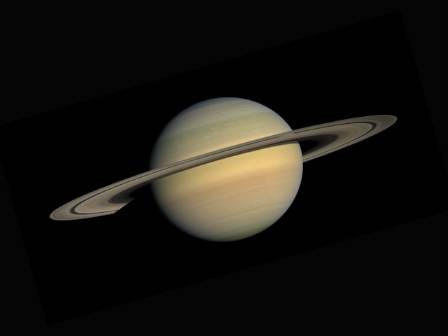
However, the real moon collectors are the gas giants. Jupiter has an impressive 95 moons, but Saturn outshines it with a whopping 146 confirmed moons, making Saturn the true king of moons in our Solar System.
As we move further out, Uranus hosts 27 moons, Neptune has 14, and even the dwarf planet Pluto can claim 5 moons. Altogether, the Solar System contains 290 traditional moons.
But if we include small body moons, NASA reports a total of 752 moons in our Solar System.
Exoplanets and Their Potential Moons
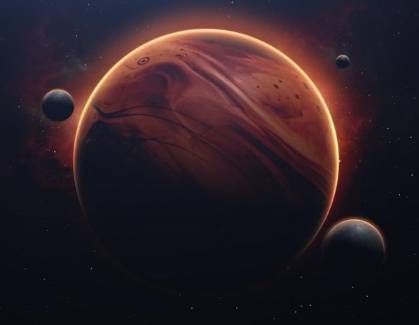
When we shift our gaze beyond our Solar System, things get a bit murkier. Exoplanets—planets orbiting stars outside our Solar System—are so distant that detecting them, let alone any moons they might have, is incredibly challenging. So far, astronomers haven't definitively identified any exomoons.
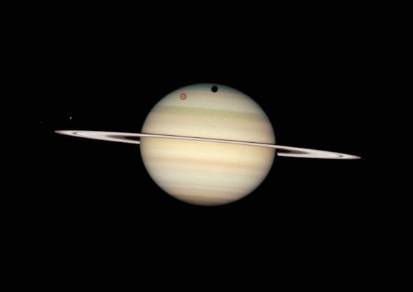
Still, observations of certain "hot Jupiter" exoplanets—such as Kepler-1625b, Kepler-1708b, and Kepler-1513b—hint that they could have moons. Although we don’t have direct evidence yet, there's no scientific reason to believe that exoplanets wouldn't have moons. In fact, given that some exoplanets are far larger than Jupiter or Saturn, it's reasonable to assume they could have an even greater number of natural satellites.
More from the edition
Column · en
From Popcorn Machine Mishaps to Dreamy Retreats: 5 Proven Hacks to Maximize Small Bedrooms
Years back, I worked with a client who requested a popcorn maker be installed directly next to their bed. The buttery aroma was a delight at first—until it started disrupting sleep night after night. Talk about a lesson learned! Designing compact bedrooms forces you to think outside the box, and today I’m sharing five tried-and-ttrue decorating strategies from my real-world projects that can turn even the tiniest sleeping spaces into spacious, welcoming personal retreats. No popcorn machines included—promise.
Column · en
Natural landscape: Our Coastal Maine Wildflower Meadow
We have chosen to let the field beside our home grow naturally instead of keeping it closely trimmed. This simple decision has transformed the area into a beautiful wildflower meadow filled with wildlife, helpful pollinators, tall grasses, lush greenery, and colorful flowers throughout the warmer months.
Column · en
Use Design To Create a Powerful Painting
Show off your artistic skills and compete for top honors in Artists Network’s renowned art contests! These competitions span a wide range of mediums and offer participants the chance to win cash awards, be featured in leading art publications, gain international recognition, and earn accolades for their creativity. Additionally, entrants receive expert critiques from distinguished jurors. Bring your vision to life—submit your artwork to a competition today!
Column · en
Seven Surprising Facts about Coral
When you picture the ocean, you may immediately think of vibrant coral reefs filled with remarkable colors, unusual shapes, and countless marine creatures. Although coral reefs are beautiful to look at, there is far more happening beneath the surface than their appearance suggests. Understanding what makes corals unique also helps us recognize why they are so important to protect, both for the health of our oceans and for the planet as a whole.
Column · en
Stunning Mont St-Michel Inspires
The island abbey of Mont St-Michel stands offshore from the Norman coast of France, appearing in the distance almost like a vision floating above the horizon. For more than a millennium, this remarkable site has inspired Christian pilgrims, and today its dramatic setting continues to fascinate travelers from around the world.
Column · en
Easy Indoor Plants for Beginners
Houseplants bring a refreshing sense of life to indoor spaces while also helping improve the atmosphere and brighten your mood. Even if gardening has never been your strength, you can still become a successful plant parent by starting with beginner-friendly indoor varieties and other low-maintenance houseplants.