Sunday column
The Symbolism and Significance of the Lotus Flower
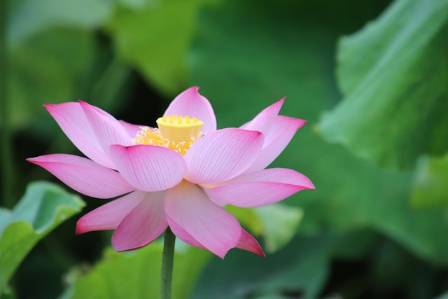
The lotus flower is one of the most recognizable plants in the natural world, admired not only for its elegant appearance but also for its rich symbolism and its positive role in supporting environmental health.
Corin Hayes
Desk editor
Editor’s note
The full column continues in quiet type below.
Section
Sunday Broadsheet
The lotus flower is one of the most recognizable plants in the natural world, admired not only for its elegant appearance but also for its rich symbolism and its positive role in supporting environmental health.
The lotus flower, scientifically known as Nymphaea nouchali, is a delicate aquatic plant that displays vibrant colors and has been connected with many meanings across different cultures. In ancient Egypt, the lotus represented rebirth and eternal life, while in Buddhism it became a symbol of spiritual purity and enlightenment.
Growing from deep, muddy water yet rising above the surface with a clean and beautiful blossom, the lotus has long been associated with ideas of renewal, harmony, and inner strength. Many cultures view it as a symbol of beauty, transformation, and perseverance because of its ability to thrive even in difficult environments. The flower opens with the morning light and closes after sunset, reflecting the endless cycle of growth, change, and personal discovery.
How to Cultivate a Lotus Flower
The lotus is considered an exotic aquatic plant, and its unique appearance has made it increasingly popular among gardeners. However, growing lotus flowers requires careful attention because the plant depends on a constant supply of water and cannot tolerate dry conditions.
Lotus plants naturally grow in shallow water, so selecting the right growing environment is essential. A location with plenty of sunlight and a suitable water source, such as a pond, water garden, fountain, or large container, is ideal. When growing lotus in a container, it is recommended to use clean, filtered water to provide a healthier environment.
The right soil is also important for successful lotus cultivation. Lotus plants grow best in rich, heavy, clay-based soil that provides stability and essential nutrients. Regular garden soil is not recommended because it may not perform well in an aquatic setting. A dense, nutrient-filled soil mixture helps anchor the plant and supports strong growth.
Planting Lotus Seeds and Seedlings
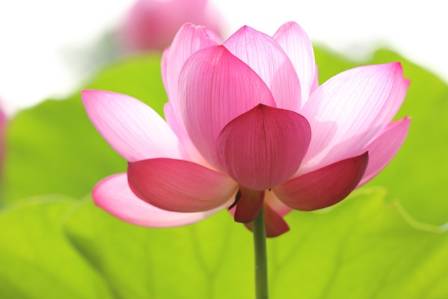
Lotus flowers can be propagated through either seeds or young plants. If growing lotus from seeds, preparation is needed before planting. Begin by soaking the seeds in warm water for around 24 hours to soften the hard outer layer. After soaking, gently scratch or slightly damage the seed coating with sandpaper to help water enter and encourage sprouting.
Place the prepared seeds in a container filled with warm water and wait approximately ten days for germination. Once the seedlings begin to develop, they can be moved into their growing environment.
For those using lotus seedlings, plants can be purchased from specialized nurseries. Carefully place the seedling into the prepared soil, making sure the roots are securely covered and supported. Proper planting helps the lotus establish itself and continue healthy growth.
Water Requirements for Lotus Plants
Maintaining the correct water level is one of the most important parts of lotus care. The plant needs enough water to survive, but it should not be completely submerged, as excessive depth can weaken the plant and affect its development.
Keep the water at a suitable height so the lotus leaves and flowers can naturally float on the surface. With adequate sunlight, nutrient-rich soil, and consistent water conditions, lotus plants can grow successfully and produce their beautiful seasonal blooms.
More from the edition
Column · en
" WHIMSICAL WONDERS: CHOOSING THE PERFECT WALL ART FOR YOUR LITTLE ONE'S HAVEN"
Discover wonders on quirky walls, where imagination runs wild in a riot of vibrant expressions.
Column · en
Raccoons — Facts and Fancies
The raccoon (Procyon lotor) is a member of the carnivore order, a group of mammals that mainly consume meat but may also eat plant materials such as berries, fruits, vegetables, eggs, acorns, beech nuts, hickory nuts, grains, grasses, and tree bark when other food sources are limited. Like other carnivores, raccoons have five toes on each foot and large canine teeth. However, raccoons are omnivorous animals, and the balance between plant and animal foods in their diet changes depending on the season and available resources.
Column · en
Mastering the Art of Stovetop Popcorn
Say goodbye to burnt kernels and hello to fluffy, crispy perfection—this old-school trick makes homemade popcorn foolproof. Forget the microwave bag. With just a bit of oil and a clever timing trick, you can turn a handful of kernels into a bowl of golden, fluffy popcorn—no fancy gadgets needed.
Column · en
The Americano Coffee Is an Ode to Simplicity
It’s difficult to say exactly when the Americano became my preferred espresso-based drink. Perhaps it’s because it usually costs less than a latte while still offering a larger serving size than drinks like a cortado. Or maybe it’s simply because it shares its name with the Americano cocktail, one of my personal favorites.
Column · en
Tulips in Art: Beauty, Power, and Symbolism
Like many flowers, the tulip carries a wide range of symbolic meanings when it appears in artworks.
Column · en
The Most Impressive Race Cars In The Industry
The world of motorsport is filled with high-octane excitement, from Formula 1 circuits to the unpredictable challenges of rally racing. Across the globe, manufacturers compete in multiple championships each season, constantly pushing engineering limits to build faster, sharper, and more capable machines. A few cars, however, rise above the rest and earn legendary status.