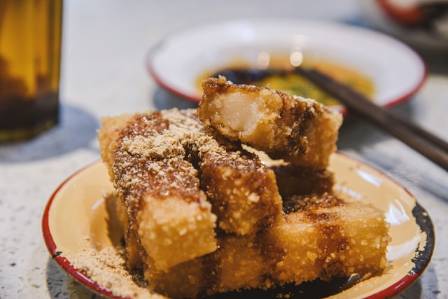
Sunday column
A Journey Through Classic Chinese Desserts
Chinese desserts encompass a vast array of techniques, flavors, and culinary traditions that have developed over many years.
Benjamin
Desk editor
Editor’s note
The full column continues in quiet type below.
Section
Sunday Broadsheet
Chinese desserts encompass a vast array of techniques, flavors, and culinary traditions that have developed over many years. Unlike Western desserts, Chinese sweets often feature unique ingredients such as rice flour and sweet bean paste, along with various cooking methods like frying and steaming. Some Chinese desserts even resemble familiar Western treats, blending the best of both worlds. Whether you prefer traditional pastries or delightful sweet snacks, Chinese desserts offer something for everyone. Let’s explore the diversity of Chinese sweets and indulge in their rich flavors.
Egg Tart
The Chinese egg tart shares similarities with the classic English custard tart, consisting of a pastry shell filled with a smooth egg custard. These tarts are commonly found in Dim Sum restaurants, Chinese buffets, and bakeries across China. There are two main types of egg tarts: Hong Kong-style egg tarts, which are smaller and often served in sets of two or three, with custard fillings flavored with chocolate, green tea, or even bird’s nest. Their pastry shells are light and flaky. In contrast, the Macau-style egg tart is distinct with its caramelized, browned top, inspired by the Portuguese custard tart.
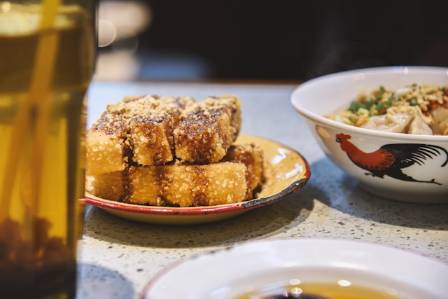
Black Sesame Soup
A beloved dessert throughout China, black sesame soup is made from toasted black sesame seeds, rice, water, and sweetened with granulated sugar. This dessert is commonly available in powdered form and can be customized with additional ingredients like caviar, black rice, millet, corn, red or black beans, soybeans, yams, barley, or other whole grains. It's a comforting and rich treat, perfect for satisfying any sweet tooth.
Fa Gao
"Fa" translates to "prosperity" or "expansion," while "gao" means "cake." This steamed pastry, known as the Chinese prosperity cake or fat pan, is a soft, cupcake-like treat that splits at the top as it cooks, creating an effect often referred to as a "Chinese smiling steamed cake" or "blooming flowers." Fa Gao is a symbol of good fortune and is traditionally enjoyed during Chinese New Year, but it is also a popular snack during weddings, funerals, and other special occasions.
Almond Tofu
Almond tofu is a soft, jellied dessert made from apricot kernel milk, agar, and sugar. It is a light, indulgent treat that has been enjoyed for centuries. Traditional versions of almond tofu are vegan-friendly, but newer recipes sometimes include dairy products or replace agar with gelatin. Its smooth texture and subtle almond flavor make it a favorite dessert, especially during warmer months.
Chinese Walnut Cookies
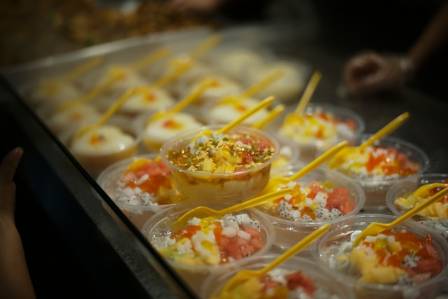
Known as "hup toh soh," Chinese Walnut Cookies are a significant part of Chinese culture. These cookies are traditionally offered to guests during Chinese New Year celebrations, as walnuts are believed to symbolize happiness and prosperity in the coming year. These cookies are dry, sweet, and crispy, with a satisfying crunch. Made with walnuts, they are thought to be beneficial for lung function and circulation. However, they are also high in sugar and fat, making them a delicious, though indulgent, treat.
More from the edition
Column · en
What are Examples of Geometric Shapes in Real Life?
Geometric shapes are everywhere. No matter where you look, almost everything is made up of both two-dimensional (2D) and three-dimensional (3D) geometric shapes. Keep reading for real-life geometric shape examples that make up the world around us.
Column · en
All true spider monkeys are on the verge of extinction.
Spider monkeys belong to the genus Ateles and are easily recognized by their extremely long limbs and curved, hook-shaped hands.
Column · en
Types of Crab Featured
The article highlights seven crab types prized for their flavor, texture, and culinary appeal.
Column · en
the Undulating Hills of Moravia
To undulate means “to move in a smooth, wave-like pattern.” The dictionary example—Her body undulated to the thumping rhythm of the music—certainly has a sensual flair. In this case, though, the subject isn’t moving. Yet when photographing the mesmerizing landscapes of Moravia, the hills’ curves and patterns create the illusion of movement, rhythm, and flow across the frame.
Column · en
Black Swan: The World’s Only Completely Black Swan
The Black Swan (Cygnus atratus) is the only swan species in the world with an almost entirely black-colored body.
Column · en
The Black-capped Chickadee: A Tiny Bird With a Remarkable Predator Warning System
Animal alarm calls are far more advanced than simple cries meaning “danger is nearby.”