
Sunday column
Choose the Best Down Jacket
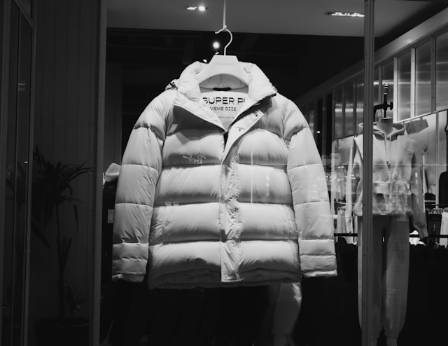
When temperatures drop and staying warm becomes a priority, a dependable down jacket is one of the most practical and versatile pieces of outdoor clothing you can own. Whether you are preparing for a winter hiking trip, exploring snowy mountains, or simply looking for a comfortable everyday jacket during the colder months, a quality down jacket can provide excellent warmth and protection.
Lirael Joy
Desk editor
Editor’s note
The full column continues in quiet type below.
Section
Sunday Broadsheet
When temperatures drop and staying warm becomes a priority, a dependable down jacket is one of the most practical and versatile pieces of outdoor clothing you can own. Whether you are preparing for a winter hiking trip, exploring snowy mountains, or simply looking for a comfortable everyday jacket during the colder months, a quality down jacket can provide excellent warmth and protection.
Choosing the right down jacket requires understanding several important features, including insulation performance, weight, weather resistance, and sustainability. This guide will help you understand the key factors to consider so you can find a jacket that keeps you warm while matching your outdoor needs.
What Is a Down Jacket?
A down jacket is an insulated outerwear garment that uses the soft layer of feathers found beneath the outer feathers of ducks or geese. This lightweight natural insulation is highly effective because it traps air within its structure, creating small pockets that help preserve body heat.
Unlike traditional synthetic insulation, down has an exceptional ability to provide warmth while remaining lightweight and compressible. Its unique loft allows it to maintain excellent insulation performance, making it a popular choice for cold-weather clothing and outdoor adventures.
Down Fill Power vs. Fill Weight
When selecting a down jacket, fill power and fill weight are two of the most important specifications to understand. Although these terms are often confused, they describe different characteristics of the insulation.
Fill power refers to the quality, loft, and insulating ability of the down. A higher fill power means the down can expand more, trap more air, and provide better warmth with less material. Most down jackets range from around 400 to 900 fill power, with higher numbers representing premium insulation quality.
Fill weight refers to the actual amount of down used inside the jacket. A jacket with a greater fill weight generally contains more insulation and provides increased warmth.
For extremely cold environments, high-altitude adventures, or winter expeditions, a jacket with a higher fill power, such as 800 to 900, is an excellent choice because it delivers superior warmth without excessive weight.
For everyday winter use, mild climates, or less demanding outdoor activities, a jacket with a lower fill power between 400 and 600 may provide enough warmth while remaining more affordable and lightweight.
The best option depends on finding the right balance between insulation, weight, comfort, and the activities you plan to enjoy.

Weight and Packability
The overall weight and compressibility of a down jacket can greatly affect comfort, convenience, and mobility during outdoor activities. A jacket that is easy to carry and pack can be especially valuable for hikers, travelers, and anyone who needs flexible layering options.
Lightweight Down Jackets
Lightweight down jackets are designed for people who want reliable warmth without unnecessary bulk. These jackets typically use premium high-fill-power insulation, often 800 fill power or higher, to provide excellent warmth while keeping the overall weight low.
Many lightweight models weigh less than one pound, making them ideal for activities where every ounce matters, such as backpacking, hiking, and climbing. Their compact construction allows them to compress into a small storage pouch or backpack compartment, making them convenient as an emergency insulation layer.
Because they offer excellent freedom of movement, lightweight down jackets are well suited for active outdoor activities, three-season adventures, and moderate winter conditions.
Midweight Down Jackets
Midweight down jackets provide a balance between warmth and portability, making them one of the most versatile choices for outdoor enthusiasts. These jackets commonly feature down with fill power ranging from approximately 600 to 800, offering strong insulation without excessive weight.
Typically weighing between one and two pounds, midweight jackets provide a comfortable warmth-to-weight ratio. Although they are not as compact as ultralight options, many can still be compressed into a manageable size for travel and outdoor storage.
They are suitable for activities such as hiking, camping, skiing, and cold-weather backpacking. In colder environments, they can also work effectively as an insulating layer beneath a waterproof shell.
Heavyweight Down Jackets
Heavyweight down jackets are built for the most demanding winter environments where maximum warmth is essential. These jackets focus on insulation performance rather than minimizing weight, making them ideal for extreme cold conditions.
They usually contain a larger amount of down, often with fill power between 550 and 700, resulting in a thicker and warmer design. Because of their heavier construction, they are less compact and provide less mobility compared with lightweight alternatives.
However, for activities such as mountaineering, winter camping, polar exploration, and high-altitude expeditions, heavyweight down jackets offer unmatched protection against severe cold. When warmth is the top priority, these jackets are the ultimate choice.
Weather Protection
A down jacket’s ability to resist moisture is another important factor to consider. Water resistance helps prevent rain, snow, and humidity from damaging the insulation, because wet down loses much of its ability to maintain warmth and can take a long time to dry.
High-quality down jackets often feature a durable water repellent (DWR) coating on the outer fabric. This treatment creates a protective surface that causes water droplets to form beads and roll away instead of soaking into the material.
Depending on your intended use, you may want a jacket with additional weather protection features such as wind-resistant fabric, sealed seams, and an adjustable hood. These details can improve comfort and performance during unpredictable outdoor conditions.
Sustainability of Down Jackets
Sustainability is becoming an increasingly important consideration when purchasing outdoor clothing. One key feature to look for is Responsible Down Standard (RDS) certification, which ensures that the down used in a jacket comes from ducks and geese that have been treated according to strict animal welfare standards.
Many sustainable down jackets are also designed with durability in mind, helping reduce waste by lasting longer and requiring fewer replacements. Some manufacturers are also developing methods to recycle and reuse down materials from older jackets, extending the life cycle of insulation materials.
Choosing a responsibly produced down jacket allows you to enjoy excellent warmth while making a more environmentally conscious decision.
Final Thoughts
Selecting the right down jacket is an important decision for anyone who enjoys outdoor activities during colder seasons. By understanding factors such as fill power, fill weight, jacket weight, packability, weather protection, and sustainability, you can choose a jacket that perfectly matches your lifestyle and outdoor plans.
Whether you need a lightweight layer for hiking, a versatile jacket for everyday winter wear, or a heavy-duty option for extreme environments, the right down jacket will provide the warmth, comfort, and protection needed for your fall and winter adventures.
More from the edition
Column · en
Beyond Pad Thai: 10 Hidden Gems of Thai Gastronomy
Thai cuisine is celebrated worldwide, yet many travelers rarely venture beyond the standard tourist favorites. For those with an adventurous palate, Thailand offers a complex landscape of flavors that balance sweetness, acidity, saltiness, and intense heat. To truly experience the depth of this culinary tradition, one must look toward regional specialties, street-side delicacies, and traditional home-style cooking.
Column · en
Master the Art of Still Life Painting: A Nine-Step Instructional Guide
Capturing the essence of a still life on canvas is a pursuit cherished by artists of all skill levels. Whether you are picking up a brush for the first time or are a seasoned painter looking to refine your technique, this guide provides a comprehensive walkthrough for creating a vibrant composition featuring an arrangement of fruit, including a pineapple, an apple, and bananas. You will explore everything from essential equipment to color theory and the technical nuances of brushwork.
Column · en
10 Giraffe Facts
Giraffes live in the dry savannahs of Africa, roaming open plains and woodlands.
Column · en
Antirrhinum majus: From Greenhouse Production to Floral Arrangements
Snapdragon (Antirrhinum majus) belongs to the Scrophulariaceae family. The name Antirrhinum originates from Greek, meaning “nose-like,” referring to the distinctive form of its blossoms. Each flower is approximately 1¼ to 1½ inches long, with a tubular structure and rounded upper and lower lips. Depending on the variety, flowers may be single, double, or open-faced (commonly called “butterfly” types) that lack a defined lip.
Column · en
A Beginner's Guide to Floral Painting: Six Simple Steps
Creating a floral masterpiece is a rewarding journey that offers both relaxation and a creative outlet. This guide provides a clear, structured path for beginners to transform a blank surface into a vibrant flower. By following these foundational steps, anyone can enjoy the process of bringing a piece of nature to life through art.
Column · en
Iconic Fried Delicacies from Every Corner of the Globe
Whether you are craving something sugary or a savory treat, fried snacks are a universal favorite. The appealing contrast between a crunchy, golden exterior and a tender, warm interior creates a sensory experience that many find irresistible. While the world offers an endless variety of fried foods, certain classics have achieved legendary status across international borders.