Quiet Type Edition
NTnotedthesundy.com
← Back to desk4 min column
The World’s Most Beloved Frozen Delight

Sunday column

The World’s Most Beloved Frozen Delight

As summer temperatures climb, few things bring universal joy like ice cream. Found on nearly every continent, frozen desserts come in many forms—each shaped by local ingredients and traditions. Though often associated with childhood, ice cream transcends age, evoking delight and nostalgia in equal measure. From ancient history to contemporary creations, frozen treats have evolved globally. Historical accounts trace the earliest versions to the time of Alexander the Great, who enjoyed chilled mixtures sweetened with honey. The Roman Emperor Nero is also said to have favored snow infused with fruits and juices. Centuries later, Marco Polo is believed to have returned from Asia with a sherbet-style recipe, paving the way for what would become modern ice cream in Europe. While ice cream as we know it is popular worldwide, nearly every country has a unique take on the chilled indulgence. From Asia to the Americas, here’s how different cultures reimagine this frozen pleasure:

D

Daniel R. Hayes

Desk editor

Editor’s note

The full column continues in quiet type below.

Section

Sunday Broadsheet

As summer temperatures climb, few things bring universal joy like ice cream. Found on nearly every continent, frozen desserts come in many forms—each shaped by local ingredients and traditions. Though often associated with childhood, ice cream transcends age, evoking delight and nostalgia in equal measure.
From ancient history to contemporary creations, frozen treats have evolved globally. Historical accounts trace the earliest versions to the time of Alexander the Great, who enjoyed chilled mixtures sweetened with honey. The Roman Emperor Nero is also said to have favored snow infused with fruits and juices. Centuries later, Marco Polo is believed to have returned from Asia with a sherbet-style recipe, paving the way for what would become modern ice cream in Europe.
While ice cream as we know it is popular worldwide, nearly every country has a unique take on the chilled indulgence. From Asia to the Americas, here’s how different cultures reimagine this frozen pleasure:

Frozen Custard – United States

In the U.S., frozen custard is a dense and creamy variant of traditional ice cream. Made with a mixture of cream, milk, sugar, and egg yolks, it's churned slowly to prevent air from being added, giving it a rich texture. Unlike frozen yogurt, which includes cultured dairy, frozen custard is all about indulgence.
Common flavors include vanilla, chocolate, or a swirl of both, often finished with colorful toppings or hardened coatings. It remains a staple across many American eateries and street stands.

Raspado – Mexico

Mexico’s answer to the snow cone is the refreshing “raspado.” Rather than being drenched in syrup, it’s crafted with real fruit juices or fresh fruits, making it less sugary but full of flavor. You’ll often see carts lined with flavors like tamarind, lime, and mango, as well as more indulgent mixes including milk, vanilla, and sweetened condensed milk.
In some regions, raspado is combined with ice cream or made into a creamy shake called “eskimo.” While never served in a cone, it’s a cherished street-side refreshment enjoyed by all ages.

Gelato – Italy

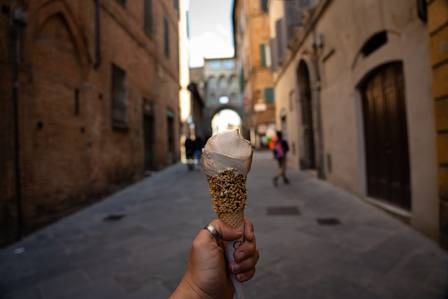
Gelato is deeply ingrained in Italian life. Unlike its cream-heavy counterparts, gelato uses more milk than cream and is churned slowly to produce a smooth, dense consistency. Iconic flavors include hazelnut, stracciatella, and pistachio.
Rather than being scooped, gelato is usually pressed into a cup or cone with a flat spatula. Each town in Italy has passionate debates about which gelateria reigns supreme, reflecting the cultural importance of this sweet tradition.

Crème Glace – France

France’s “crème glace” strikes a balance between Italian gelato and American custard. It’s typically made with eggs and rich cream, yielding a luxurious mouthfeel. Salted caramel is a beloved choice among the French.
While ice cream was introduced to France in the 17th century, today’s crème glace is found in artisanal shops using the finest ingredients—from ripe fruits to premium nuts. While boutique establishments dominate the scene, a few legacy parlors still stand out with experimental flavors.

Dondurma – Turkey

Turkey’s dondurma stands apart thanks to its elasticity and resistance to melting. Made from goat’s milk, sugar, and a starchy ingredient called salep (derived from orchid roots), it’s known for its chewy texture.
Vendors often put on a show, flipping and stretching the ice cream before finally handing it over. Though traditionally sold at street stalls and bazaars, a few long-standing shops serve dondurma in flavors such as melon or nut.

Kakigori – Japan

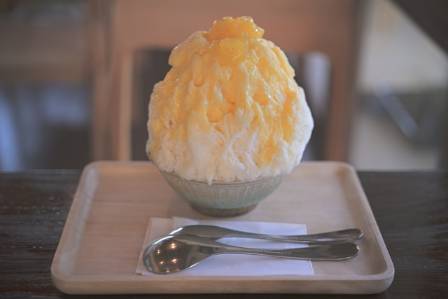
Don’t mistake Japan’s kakigori for an ordinary snow cone. This dessert features extremely fine shaved ice that melts like cream on the tongue. Flavored syrups—crafted from ingredients like matcha, strawberry, or melon—are poured over fluffy ice, sometimes with a drizzle of condensed milk.
Often served in bowls and topped with red beans or fruit, kakigori is a seasonal favorite, especially popular during Japan’s hot and humid summers.

Kulfi – India

India’s kulfi is a frozen treat rich in both taste and heritage. Made by slowly simmering sweetened milk until it thickens and caramelizes, kulfi is denser and creamier than Western-style ice cream.
Flavors range from traditional saffron and pistachio to more modern choices like mango and chocolate. Typically molded into conical shapes and served on sticks, kulfi is found everywhere from beachside vendors to family-run sweet shops.
Despite the vast differences in preparation, ingredients, and presentation, one thing remains consistent across cultures: frozen desserts bring people together. Whether it's a swirl of custard at an American roadside stand or a bowl of kakigori in a Tokyo cafe, the joy of ice cream is truly a global experience.

More from the edition

Column · en

The Majestic Red-Crowned Crane

The red-crowned crane is one of the largest and heaviest crane species in the world. Adults usually reach a height of approximately 150 to 158 cm (4 ft 11 in to 5 ft 2 in) and weigh between 4.8 and 10.5 kg (11 to 23 lbs). Their impressive wingspan can extend from 220 to 250 cm (7 ft 3 in to 8 ft 2 in), giving them a powerful and elegant presence in flight.

Column · en

The Most Beautiful Snow-covered Mountains in the World

Snowy mountains are among the most spectacular natural creations on our planet. Their enormous peaks covered with fresh white snow create breathtaking scenery that inspires explorers, photographers, and outdoor enthusiasts. From the legendary Alps in Europe to the immense Himalayas in Asia, snow-covered mountains offer some of the most unforgettable views on Earth. Each mountain has its own unique character, history, and charm. Let’s discover some of the world’s most beautiful snow-covered mountains.

Column · en

China’s 10 Best-preserved Ancient City Walls

China is a country filled with history, mystery, and inspiration. As one of the world’s oldest civilizations, it has preserved countless traces of its thousands of years of cultural development. Among these surviving treasures are numerous ancient city walls.

Column · en

Top Ten Jaw-Dropping Snowy Peaks to Explore in 2025

Nothing beats the thrill of towering snow-covered mountains and crisp winter air. Whether you’re carving down powdery slopes or cozying up by a roaring fireplace, these destinations promise a perfect mix of adventure and relaxation in 2025. Here’s a guide to ten must-visit snowy getaways around the globe.

Column · en

Chrysanthemum care tips

Chrysanthemum is among the most significant cut flowers in the global floral industry. It is highly appreciated for its long vase life, diverse flower shapes, and dependable quality throughout the entire supply chain. Since it is available in every season, Chrysanthemum has become an essential choice for flower growers, distributors, retailers, and florists due to its adaptability and consistent performance.

Column · en

8 Types of Orioles to Spot Across the United States

The term “oriole” traces back to a Latin word meaning “the golden one.” Though the name was first given to an unrelated group of birds in Europe, Asia, and Africa, it fits American orioles perfectly. These birds are part of the blackbird family—alongside grackles, red-winged blackbirds, and meadowlarks—and share the family’s characteristic sharply pointed beaks.