Sunday column
The Most Beautiful Snow-covered Mountains in the World
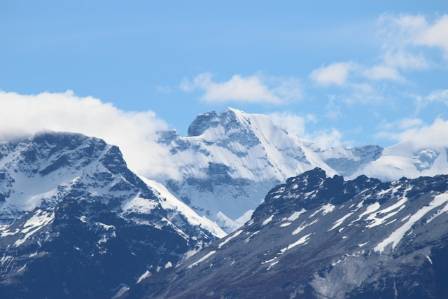
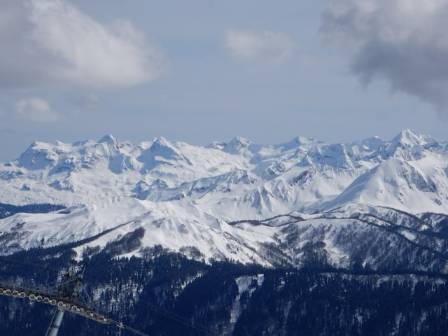
Snowy mountains are among the most spectacular natural creations on our planet. Their enormous peaks covered with fresh white snow create breathtaking scenery that inspires explorers, photographers, and outdoor enthusiasts. From the legendary Alps in Europe to the immense Himalayas in Asia, snow-covered mountains offer some of the most unforgettable views on Earth. Each mountain has its own unique character, history, and charm. Let’s discover some of the world’s most beautiful snow-covered mountains.
Julian Ashford
Desk editor
Editor’s note
The full column continues in quiet type below.
Section
Sunday Broadsheet
Snowy mountains are among the most spectacular natural creations on our planet. Their enormous peaks covered with fresh white snow create breathtaking scenery that inspires explorers, photographers, and outdoor enthusiasts. From the legendary Alps in Europe to the immense Himalayas in Asia, snow-covered mountains offer some of the most unforgettable views on Earth. Each mountain has its own unique character, history, and charm. Let’s discover some of the world’s most beautiful snow-covered mountains.
The Matterhorn, Switzerland
The Matterhorn is widely regarded as one of the most recognizable snow-covered mountains in the world. Rising 4,478 meters (14,692 feet) along the border between Switzerland and Italy, this iconic peak is famous for its sharp pyramid-like shape. Located in the Pennine Alps, the Matterhorn becomes even more spectacular when its rocky slopes are covered with snow.
The mountain provides incredible views from nearby destinations such as Zermatt and attracts climbers, hikers, and photographers throughout the year. Its snowy summit and surrounding glaciers create a magical winter landscape that continues to captivate visitors from around the globe.
Mount Everest, Nepal/Tibet
No collection of magnificent snow-covered mountains would be complete without Mount Everest, the highest mountain on Earth. Standing at 8,848.86 meters (29,031.7 feet), Everest dominates the Himalayan landscape with its massive snow-covered summit.
At sunrise and sunset, the peak is often illuminated with golden light, creating a dramatic and unforgettable scene. Beyond its natural beauty, Mount Everest represents human ambition and determination. Its challenging slopes attract adventurers worldwide, although climbing the world’s tallest mountain remains one of the greatest tests of endurance.
Denali, Alaska, USA
Denali, previously known as Mount McKinley, is the highest mountain in North America, reaching an elevation of 6,190 meters (20,310 feet). Located in Alaska’s vast wilderness, Denali is famous for its enormous size, rugged surroundings, and year-round snow-covered slopes.
The summit is frequently hidden by clouds, but on clear days, the mountain rises dramatically above the landscape, offering breathtaking views. During the colder seasons, the thick layer of snow covering Denali creates a peaceful and almost otherworldly atmosphere.
The Dolomites, Italy
The Dolomites are a remarkable mountain range in northern Italy and a UNESCO World Heritage Site. Known for their unusual jagged peaks and pale-colored rock formations, these mountains become even more beautiful when covered in snow.
Part of the Southern Alps, the Dolomites offer a stunning contrast between their light-colored cliffs and winter snow. The region is popular among skiers, hikers, and mountaineers, and the snowy peaks look especially impressive when illuminated by the first rays of morning sunlight.
Mount Fuji, Japan
Mount Fuji is Japan’s tallest mountain, rising 3,776 meters (12,389 feet), and remains one of the country’s most important cultural symbols. Its perfectly shaped cone and snow-covered summit have made it one of the most recognizable mountains in the world.
During winter, the white peak of Mount Fuji creates a striking contrast against the surrounding scenery and clear blue skies. The mountain has inspired countless artists, writers, and photographers throughout Japanese history. Its beauty is appreciated not only for its appearance but also for its deep spiritual and cultural importance.
Aoraki / Mount Cook, New Zealand
Aoraki / Mount Cook is the highest mountain in New Zealand, reaching 3,724 meters (12,218 feet) above sea level. Located within Aoraki / Mount Cook National Park in the Southern Alps, it is surrounded by glaciers and dramatic alpine landscapes.
The mountain’s snow-covered summit becomes especially impressive during winter when heavy snowfall transforms the region into a stunning frozen wilderness. The nearby turquoise waters of the Hooker and Tasman Glaciers add even more beauty to this extraordinary landscape, making it a favorite destination for climbers, hikers, and photographers.
The Andes, South America
The Andes mountain range stretches across seven countries in South America and contains some of the continent’s most spectacular snow-covered peaks. Among them, Mount Aconcagua stands as the highest mountain in the Western Hemisphere at 6,959 meters (22,831 feet).
Many peaks throughout the Andes remain covered with snow throughout the year, creating dramatic scenery against deserts, forests, and valleys below. With towering summits and enormous glaciers, the Andes represent one of the most impressive mountain landscapes on Earth.
Mont Blanc, France/Italy
Mont Blanc is the highest peak in the Alps, reaching 4,810 meters (15,781 feet) and forming part of the border between France and Italy. Famous for its snowy slopes and massive glaciers, the mountain is a dream destination for skiers, hikers, and mountaineers.
In winter, the surrounding landscape transforms into a spectacular snowy paradise. Views from Chamonix in France and nearby Italian valleys highlight the beauty of Mont Blanc’s white summit, making it one of Europe’s most admired mountains.
Mount Kilimanjaro, Tanzania
Mount Kilimanjaro is Africa’s tallest mountain, standing at 5,895 meters (19,341 feet). Although it is located close to the equator, its snowy summit remains one of its most remarkable features.
The white peak creates a fascinating contrast with the tropical forests and green landscapes surrounding the mountain. Kilimanjaro consists of three volcanic cones—Kibo, Mawenzi, and Shira—with Kibo holding the famous snow-covered summit. As a popular trekking destination, the mountain represents adventure, exploration, and the incredible diversity of nature.
The Swiss Alps, Switzerland
The Swiss Alps are world-famous for their snow-covered peaks, beautiful valleys, and charming mountain villages. The region includes many legendary mountains such as the Eiger, Jungfrau, and Matterhorn, all surrounded by breathtaking alpine scenery.
The Swiss Alps are a paradise for winter sports lovers, offering excellent opportunities for skiing, snowboarding, and mountaineering. The combination of snowy peaks, picturesque villages, and scenic railway journeys makes this mountain region one of the most beautiful destinations on Earth.
Conclusion
Snow-covered mountains are some of nature’s greatest masterpieces, offering landscapes filled with beauty, mystery, and wonder. From the dramatic shape of the Matterhorn to the immense height of Mount Everest, every mountain has its own story and attracts people with its unique charm.
These snowy giants, whether found in the Himalayas, Alps, Andes, or other mountain ranges, are more than just geographical landmarks. They represent the strength, elegance, and endless beauty of the natural world.
More from the edition
Column · en
How to Draw an Elf
From early Germanic myths to today’s festive films, elves remain one of the most iconic figures in fantasy storytelling. These magical beings have fascinated people for generations, appearing in ancient legends, illustrated books, and modern holiday traditions.
Column · en
Voyaging through the Spectrum: Decoding Ocean Colors and Marvels
The vast expanses of the world's oceans aren't just boundless bodies of water; they are captivating palettes of color. Have you ever pondered over the reasons behind the deep blues, greens, browns, and even reds that adorn the seas? This article seeks to demystify the wonders of ocean colors, providing an accessible understanding for all. We'll unravel the secrets behind these breathtaking color phenomena, explore their ever-changing nature, and delve into their significance. Join us as we dive into a vibrant journey through the kaleidoscopic wonders of our oceans!
Column · en
A Design Enthusiast's Journey through Gothic Architecture
Gothic architecture, renowned for its iconic pointed arches and magnificent stained glass, stands as one of the most grandiose and enduring architectural styles in history. While its origins trace back to medieval times, many new structures boasting Gothic characteristics continue to grace our skylines each year. These structures, which include churches, government buildings, and educational campuses, incorporate Gothic elements to imbue them with a profound sense of history, permanence, and grandeur, all while captivating us with their breathtaking beauty.
Column · en
Go with the Flow: Rivers and Streams
Naturally formed freshwater systems, including lakes, rivers, and streams, are interconnected through complex and constantly changing networks. Freshwater lakes are generally stationary water bodies enclosed by land, while rivers are flowing waterways that move through defined channels and eventually connect with larger aquatic systems. Streams also contain moving water and often combine with other streams to create larger waterways. A classification system is used to organize streams within watersheds based on their position and connections. For example, a stream located at the highest point of a watershed is considered a first-order stream, and when two first-order streams join, they create a second-order stream (Agriculture and Agri-Food Canada [AAFC], 2020).
Column · en
The World's Most Dramatic Sea Cliffs
Towering sea cliffs offer some of the world's most spectacular viewpoints, combining dramatic scenery with the thrilling sensation of standing at the edge of the earth.
Column · en
Fundamentals of Watercolor Florals: A Comprehensive Guide for New Artists
Mastering floral subjects is an ideal way to explore a contemporary watercolor style. It encourages a fluid and spontaneous approach, allowing you to utilize the medium's unique ability to blend and bleed effortlessly. While many beginners feel intimidated by the complexity of petals and three-dimensional structures, the secret to success lies in simplification. By focusing on essential shapes and expressive strokes rather than minute details, you can avoid muddy results and create vibrant, airy compositions.