Sunday column
A Design Enthusiast's Journey through Gothic Architecture
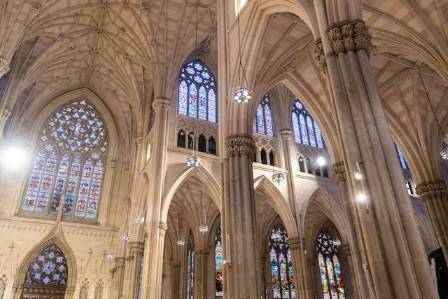
Gothic architecture, renowned for its iconic pointed arches and magnificent stained glass, stands as one of the most grandiose and enduring architectural styles in history. While its origins trace back to medieval times, many new structures boasting Gothic characteristics continue to grace our skylines each year. These structures, which include churches, government buildings, and educational campuses, incorporate Gothic elements to imbue them with a profound sense of history, permanence, and grandeur, all while captivating us with their breathtaking beauty.
Ethan Ryder
Desk editor
Editor’s note
The full column continues in quiet type below.
Section
Sunday Broadsheet
Gothic architecture, renowned for its iconic pointed arches and magnificent stained glass, stands as one of the most grandiose and enduring architectural styles in history. While its origins trace back to medieval times, many new structures boasting Gothic characteristics continue to grace our skylines each year. These structures, which include churches, government buildings, and educational campuses, incorporate Gothic elements to imbue them with a profound sense of history, permanence, and grandeur, all while captivating us with their breathtaking beauty.
Gothic architecture first emerged during the Middle Ages in Western Europe and is often associated with the Catholic Church, particularly in France. According to the Encyclopedia Britannica, Gothic architecture refers to an architectural style in Europe that prevailed from the mid-12th century to the 16th century. It is characterized by its vast interiors, with walls adorned in intricate tracery.
However, Gothic-style structures have continued to be constructed over the years, catering to various denominations, including Episcopalian, Anglican, Lutheran, and others, as well as serving non-religious purposes. (Interestingly, some of the most haunted houses bear Gothic architectural traits.) Identifying true Gothic architecture can sometimes be challenging due to its amalgamation with other styles or modern interpretations. In the following passages, we delve into the defining features of Gothic architecture and explore some of its most renowned examples, such as London's iconic Westminster Abbey.
Historical Evolution
Gothic architecture evolved from the Romanesque style as the demand for larger and taller churches grew. The rounded arches characteristic of Romanesque buildings were inadequate for these ambitions, prompting architects to experiment with innovative solutions. Many early designs fused both Romanesque and Gothic elements to the point where distinguishing between the two styles can be quite challenging.
Gothic architecture began to take form in the early 12th century, primarily in France. The construction of the Basilica of Saint-Denis, which commenced in 1135, is often cited as one of the earliest clear examples of the Gothic style. The introduction of pointed arches and exterior buttresses allowed for lofty, sunlit interiors. Notre Dame de Paris and Chartres Cathedral were also constructed during this period.
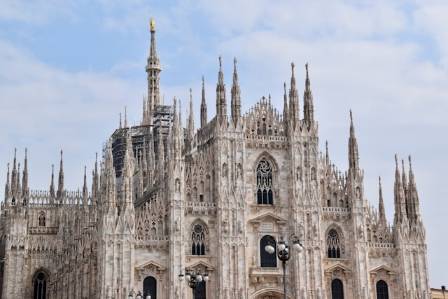
The High Gothic era, spanning from 1250 to 1300, was still primarily centered in France. However, variations of the style emerged in Britain, Germany, and Spain, giving rise to masterpieces like Cologne Cathedral, London's Westminster Abbey, and Milan's Duomo. Notably, Italian Gothic architecture stood out for its use of brick and marble rather than stone.
In the 15th century, Late Gothic architecture reached its zenith with the construction of Germany's vaulted hall churches.
In the late 19th century, the Gothic Revival movement, also known as Neo-Gothic or Victorian Gothic, rekindled the popularity of this architectural style. Churches, and even homes from this era, bear distinct Gothic characteristics. The Gothic Revival period coincided with the resurgence of Gothic literature, with the works of authors like Mary Shelley, Nathaniel Hawthorne, and Edgar Allan Poe.
Iconic Examples
Many iconic Gothic structures have stood the test of time, and they include both medieval constructions and those built during the Gothic Revival period. These Gothic buildings have often undergone extensive renovations and restorations over the centuries, serving as monuments to the communities they represent. For instance, Germany's Ulm Minster, which began construction in the 1300s, wasn't completed until the 1800s. Similarly, Paris's beloved Notre Dame is undergoing its tenth restoration following a tragic fire in 2019. These grand structures symbolize not only architectural splendor but also the enduring spirit of their communities.
Key Architectural Elements
The distinctive features of Gothic architecture can be easily recognized, many of which were developed to address the unique challenges posed by constructing grander buildings than ever before. These features have defined and distinguished Gothic structures throughout history.
Stained Glass:
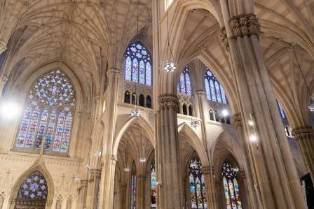
Pointed Arches:
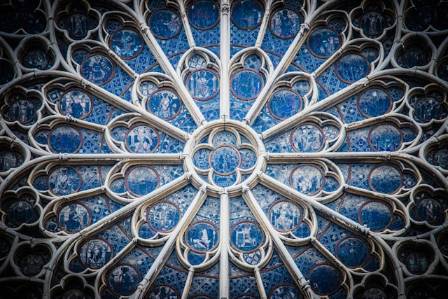
Ribbed Vaults:
Flying Buttresses:
Gargoyles:
Spires:
More from the edition
Column · en
Seven Surprising Facts about Coral
When you picture the ocean, you may immediately think of vibrant coral reefs filled with remarkable colors, unusual shapes, and countless marine creatures. Although coral reefs are beautiful to look at, there is far more happening beneath the surface than their appearance suggests. Understanding what makes corals unique also helps us recognize why they are so important to protect, both for the health of our oceans and for the planet as a whole.
Column · en
Choose the Best Down Jacket
When temperatures drop and staying warm becomes a priority, a dependable down jacket is one of the most practical and versatile pieces of outdoor clothing you can own. Whether you are preparing for a winter hiking trip, exploring snowy mountains, or simply looking for a comfortable everyday jacket during the colder months, a quality down jacket can provide excellent warmth and protection.
Column · en
Thrilling Adventures in Desert Wonders
Deserts, the vast and often desolate landscapes, may not be the first choice for every traveler. However, for the adventurous souls among us, these arid wildernesses can be the ultimate playground for thrilling experiences. In this article, we will explore seven desert destinations around the world and discover the exciting activities they have to offer.
Column · en
Colourful Macaroons
Enter the playful universe of bright, delicate macarons—sometimes also referred to as macaroons—where every light, airy bite delivers a harmony of taste and a splash of vivid color. These famous French pastries have become a worldwide favorite among dessert lovers, admired for their crisp outer shells and smooth, flavorful fillings.
Column · en
Which Is the Biggest RV in the World?
There are currently several massive motorhomes competing for the unofficial title of the largest RV in the world. Most of them fall into the Class A luxury category, offering fully equipped living spaces, premium materials, and extremely high price tags.
Column · en
Vintage Convertible Cars That Feel Timeless
There is something truly special about vintage convertible cars. They transform every journey into an experience rather than just transportation. With elegant silhouettes, open roofs, and classic appeal, these timeless vehicles never go out of fashion. Iconic models such as the Ford Mustang and Chevrolet Corvette still appear stylish and relevant even many decades after their debut.