Sunday column
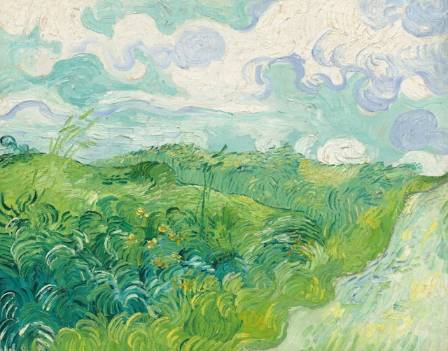
An In-Depth Manual for Mastering Landscape Painting
Landscape painting is a lifelong pursuit that offers endless discovery. Whether you are just beginning or looking to refine your existing skills, this guide outlines a structured path to help you capture the beauty of the outdoors on canvas.
Mildred Rose Pennington
Desk editor
Editor’s note
The full column continues in quiet type below.
Section
Sunday Broadsheet
Landscape painting is a lifelong pursuit that offers endless discovery. Whether you are just beginning or looking to refine your existing skills, this guide outlines a structured path to help you capture the beauty of the outdoors on canvas.
Essential Gear and Artistic Supplies
The first step in your journey is organizing your equipment. You do not need highly specialized tools to begin; your standard paints and brushes are sufficient. At a minimum, ensure your palette includes white, red, blue, yellow, and an earth tone like raw umber. A reliable starter set consists of titanium white, cadmium red, ultramarine blue, cadmium yellow, and raw umber.
While every artist eventually develops their own preferences, here is a look at a professional setup:
-
Paints: High-quality oils are a popular choice. Useful additions to a basic palette include cobalt blue, viridian green, yellow ochre, and alizarin crimson.
-
Brushes: Most landscapes can be accomplished using just a few versatile brushes. Flat and filbert brushes are particularly effective. Rather than switching brushes constantly, try varying your grip, pressure, and stroke direction to achieve different effects.
-
Surfaces: Professional stretched canvas or gessoed boards provide excellent foundations. A slightly textured surface can be beneficial for landscapes, as the "tooth" of the material can mimic the organic textures of grass, leaves, and soil.
-
Mediums and Solvents: Use odorless solvents to thin your paint during the early stages and for cleaning. Many artists begin with a thin, solvent-rich wash and transition to thick, undiluted paint as the work progresses.
Selecting an Inspiring Subject
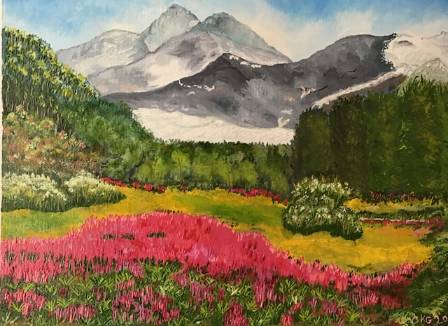
Finding the right subject is just as important as the painting process itself. Instead of looking for specific objects like "a tree" or "a mountain," try to see the world as a collection of basic visual elements: shapes, colors, lines, and forms. This perspective allows almost anything to become a potential subject.
For beginners, it is often best to start with simple, balanced compositions found in reference photos. While painting plein air (outdoors) is an exhilarating and honest way to work, it presents logistical challenges like changing light and weather. Mastering your craft using photos—ideally ones you have taken yourself—allows you to focus on technique before heading into the field.
Strategic Planning and Preparation
Before your brush touches the canvas, spend time planning your approach. This stage builds momentum and helps prevent avoidable errors. Consider the following:
-
Compositional Adjustments: Do not feel obligated to paint a photo exactly as it appears. Crop the image to reposition the focal point or remove distracting elements.
-
Value Analysis: Study the grayscale structure of your subject. Focus on relationships—how light the sky is compared to the ground, or how the shadows interact with the mid-tones.
-
Visualizing the Path: Mentally walk through the painting process. Identify potential challenges and decide which techniques will best showcase the subject.
The Execution: Painting the Scene
When you begin, aim for an honest representation of your initial impressions rather than a pixel-by-pixel copy. While every artist finds their own rhythm, this reliable workflow is a great starting point:
-
Toning the Surface: Apply a thin stain of an earth tone to remove the stark white of the canvas. This makes it easier to judge values and colors accurately.
-
The Preliminary Sketch: Map out the primary shapes and lines. Accuracy here is vital, as small errors in the sketch can lead to significant structural problems later.
-
Color Block-In: Fill in the large areas with basic colors. Avoid details at this stage; focus on the "big picture" of the landscape.
-
Refinement and Detail: Once the foundation is set, use smaller brushes to add highlights, dark accents, and fine textures. Ensure these details serve the whole painting rather than standing out as isolated parts.
-
Completion: A painting is finished when you feel that further strokes will not add value. Signing your work marks the end of the creative process.
Reflection and Growth
Improvement comes from objective self-critique. After finishing a piece, ask yourself:
-
Am I satisfied with the overall result?
-
What specific techniques or sections worked well?
-
Which areas need more attention in the future?
Avoid comparing yourself to others; instead, measure your progress against your own previous work. The goal is not perfection, but rather a gradual improvement with every new canvas. Once you have reflected, the most important step is to move on and begin your next project.
More from the edition
Column · en
What Is a Satellite?
When you hear the word “satellite,” you may immediately picture a large metal spacecraft traveling around Earth high above the planet.
Column · en
Raccoons — Facts and Fancies
The raccoon (Procyon lotor) is a member of the carnivore order, a group of mammals that mainly consume meat but may also eat plant materials such as berries, fruits, vegetables, eggs, acorns, beech nuts, hickory nuts, grains, grasses, and tree bark when other food sources are limited. Like other carnivores, raccoons have five toes on each foot and large canine teeth. However, raccoons are omnivorous animals, and the balance between plant and animal foods in their diet changes depending on the season and available resources.
Column · en
How to Grow and Care for an Orchid So It Blooms for Years
Orchids (family Orchidaceae) are elegant houseplants that can also serve as decorative elements when placed in attractive containers. Although they are often thought of as hard to maintain, orchids can actually thrive for as long as 15 years when their needs are properly met. With roughly 25,000 species available, one of the most beginner-friendly options is the moth orchid (Phalaenopsis). Regardless of the variety you choose, understanding a few essential care principles will help your orchid stay healthy and bloom beautifully indoors.
Column · en
The Definitive Manual for Selecting the Ideal Men’s Shirt
The shirt serves as the fundamental building block of a man's wardrobe. Consequently, identifying the precise dimensions and silhouette is essential to making a successful purchase. Given the vast array of aesthetic variations, selecting the perfect piece requires an understanding of how style choices influence the final look. This guide provides a strategic overview to help you navigate your next acquisition.
Column · en
Iconic Fried Delicacies from Every Corner of the Globe
Whether you are craving something sugary or a savory treat, fried snacks are a universal favorite. The appealing contrast between a crunchy, golden exterior and a tender, warm interior creates a sensory experience that many find irresistible. While the world offers an endless variety of fried foods, certain classics have achieved legendary status across international borders.
Column · en
The Best Selling Vehicles Dominating British Roads Right Now
Fully electric vehicles secured an unprecedented thirty percent of the automotive market in the United Kingdom during the month of June, representing the highest performance observed throughout the current year. This surge helped propel overall vehicle registrations upward by eleven point four percent to hit a grand total of 213,166 units, according to recent data published by the Society of Motor Manufacturers and Traders. This exceptional performance marked the strongest showing for the month of June since the year 2019, with the expansion driven entirely by low-emission options as automakers continue to roll out more electric and hybrid models while fresh automotive brands enter the British marketplace. Consumer appetite for electric mobility was further accelerated by climbing fuel prices connected to ongoing geopolitical tensions in the Middle East.