Sunday column
Sculpted by the Sea: The Dynamic Geology of Rocky Coastlines
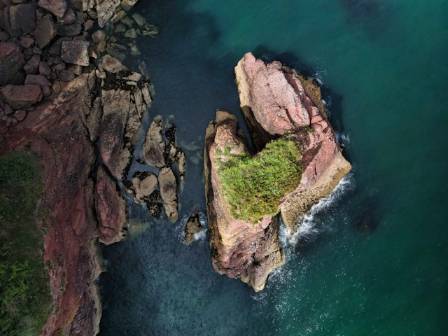
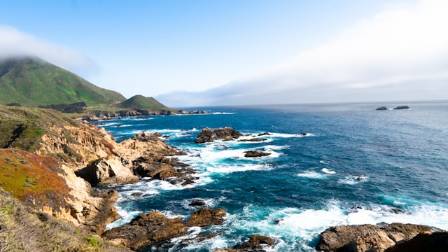
The relentless pounding of surf and breaking waves has shaped rocky coasts into some of the most dramatic landscapes on Earth. Characterized by high-energy erosion, these coasts are typically found along active tectonic margins with narrow continental shelves. Composed of sedimentary, igneous, or metamorphic rock, they bear witness to complex geological processes, including faulting, folding, and volcanic activity. The specific profile of a rocky coast—whether steep cliffs or gentle slopes—is dictated by the interplay of bedrock resistance, climate, and wave energy. For instance, the resistant lava flows of Kalaupapa National Historical Park (Hawaii) create towering sea cliffs, while the more erodible limestones of Dry Tortugas National Park (Florida) form gentler slopes. Glacial activity further sculpts these regions, carving deep fjords and depositing talus slopes, while carbonate coasts can lithify into eolianite dunes that later erode into steep bluffs.
Leo Martin
Desk editor
Editor’s note
The full column continues in quiet type below.
Section
Sunday Broadsheet
Fjords: Valleys of Ice and Sea
Headlands, Pocket Beaches, and Wave Refraction
Sea Caves: Shelters in the Stone
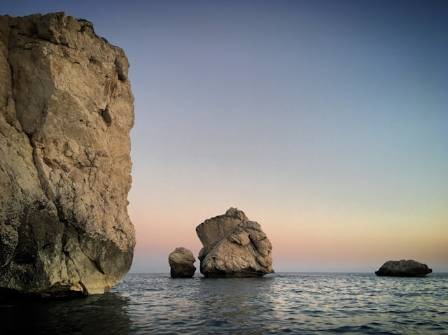
Sea Arches and Sea Stacks: Transient Monuments
Sea Cliffs: Stratified History
Tidewater Glaciers: Rivers of Ice
More from the edition
Column · en
Top Rowing Competitions Around the World
Rowing is a sport that blends strength, endurance, and teamwork, as athletes glide boats through water with precision oar strokes. Across the globe, major rowing competitions draw elite rowers and passionate fans alike. Here’s a look at some of the most prestigious rowing events worldwide.
Column · en
A Beginner's Guide to Floral Painting: Six Simple Steps
Creating a floral masterpiece is a rewarding journey that offers both relaxation and a creative outlet. This guide provides a clear, structured path for beginners to transform a blank surface into a vibrant flower. By following these foundational steps, anyone can enjoy the process of bringing a piece of nature to life through art.
Column · en
Mastering Bike Transportation: A Guide for Every Enthusiast
As bike parks and forest trail centers open their doors, the question arises: How can you transport your bike safely and securely on or in your car? Let's delve into various options, examining the advantages and drawbacks of each. It's crucial to adhere to safety guidelines, including weight limits and proper installation, regardless of the method chosen.
Column · en
Success with Succulents
Succulent plants have attracted the attention of gardeners for many years, and their popularity continues to grow. Their unique appearance, low water requirements, and ability to thrive in challenging conditions make them an excellent choice for places like Denver. Although growing succulents may seem intimidating at first, understanding their basic needs can help you create healthy plants that will impress visitors and neighbors.
Column · en
Seven Surprising Facts about Coral
When you picture the ocean, you may immediately think of vibrant coral reefs filled with remarkable colors, unusual shapes, and countless marine creatures. Although coral reefs are beautiful to look at, there is far more happening beneath the surface than their appearance suggests. Understanding what makes corals unique also helps us recognize why they are so important to protect, both for the health of our oceans and for the planet as a whole.
Column · en
8 Incredible Facts About El Capitan You Should Know
El Capitan, a monumental granite formation in Yosemite National Park, stands as one of the most iconic and challenging features in the world. Its vast scale and unique history make it a must-visit for nature enthusiasts and rock climbers alike. With towering cliffs, impressive geological origins, and historical climbing milestones, El Capitan captivates all who encounter it. Whether you're interested in its natural beauty or its pivotal role in the climbing community, here are eight fascinating facts that highlight why this giant rock formation continues to awe visitors from around the globe.