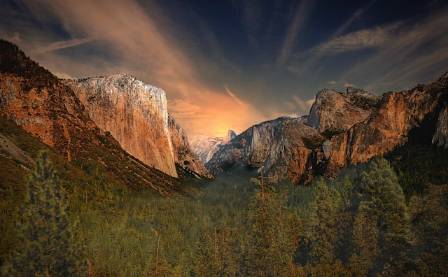
Sunday column
8 Incredible Facts About El Capitan You Should Know
El Capitan, a monumental granite formation in Yosemite National Park, stands as one of the most iconic and challenging features in the world. Its vast scale and unique history make it a must-visit for nature enthusiasts and rock climbers alike. With towering cliffs, impressive geological origins, and historical climbing milestones, El Capitan captivates all who encounter it. Whether you're interested in its natural beauty or its pivotal role in the climbing community, here are eight fascinating facts that highlight why this giant rock formation continues to awe visitors from around the globe.
Jean
Desk editor
Editor’s note
The full column continues in quiet type below.
Section
Sunday Broadsheet
El Capitan, a monumental granite formation in Yosemite National Park, stands as one of the most iconic and challenging features in the world. Its vast scale and unique history make it a must-visit for nature enthusiasts and rock climbers alike. With towering cliffs, impressive geological origins, and historical climbing milestones, El Capitan captivates all who encounter it. Here are eight fascinating facts that highlight why this giant rock formation continues to awe visitors from around the globe.
1. El Capitan Towers at 3,000 Feet
Reaching a remarkable height of approximately 3,000 feet (914 meters), El Capitan is one of the tallest vertical rock faces on the planet. Its steep granite walls present an immense challenge for even the most experienced climbers. The view from the summit offers stunning vistas of Yosemite Valley, making it a must-see landmark for visitors and photographers.
2. The First Ascent Took Place in 1958
The first successful climb of El Capitan was accomplished in 1958 by Warren Harding, Wayne Merry, and George Whitmore. Their historic ascent took an astonishing 47 days, using techniques such as aid climbing to navigate the sheer rock face. This remarkable feat marked a milestone in the world of rock climbing and demonstrated the high level of technical skill required to conquer the giant monolith.
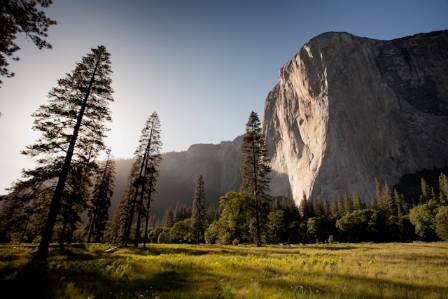
3. El Capitan’s Granite Is Over 100 Million Years Old
The rock that forms El Capitan is part of the Sierra Nevada batholith, dating back over 100 million years. This ancient granite originated from molten rock deep beneath the Earth’s surface, and its age provides important clues about the geological history of the region. The durable nature of the granite makes El Capitan an ideal surface for climbing, offering excellent grip and stability for climbers tackling its challenging routes.
4. El Capitan's Name Reflects Its Dominance
Named "El Capitan" by Spanish explorers, which translates to "The Captain" in Spanish, the rock stands as a commanding figure in Yosemite Valley. The name reflects the formation's stature and leadership-like presence over the surrounding landscape. This powerful moniker continues to resonate today, embodying both the natural grandeur of the rock and the ambition of climbers who seek to scale it.
5. It Draws Over 300,000 Climbers Each Year
With its reputation as one of the ultimate climbing challenges in the world, El Capitan attracts more than 300,000 climbers annually. Its diverse array of climbing routes caters to all skill levels, from beginners to seasoned experts. For climbers, scaling this massive rock face is both a rite of passage and a test of endurance and skill.
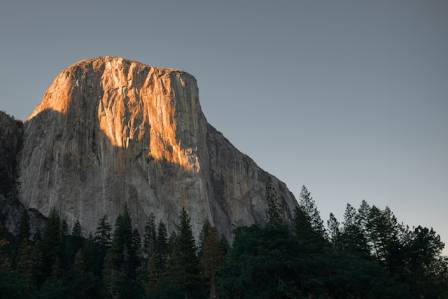
6. Alex Honnold's Free Solo Ascent
One of the most extraordinary climbing feats in history took place in June 2017 when Alex Honnold became the first person to free solo El Capitan. This means he climbed the rock without any ropes or safety equipment, a feat that took about four hours. Honnold's achievement, which was documented in the film Free Solo, redefined what is possible in the world of rock climbing and solidified his place in climbing history.
7. The Nose: A Legendary Route
Among the many routes on El Capitan, "The Nose" is the most famous. This 900-meter (3,000-foot) climb is renowned for its technical complexity and is considered one of the ultimate climbing challenges. First ascended in 1958, it has since become a historic route, offering climbers a combination of crack climbing and face climbing.
8. A Geological Wonder Shaped by Glaciers
The formation of El Capitan was heavily influenced by ancient glaciers and erosional processes. During the Ice Age, massive glaciers shaped the granite, carving out the towering rock face we see today. Over millions of years, additional erosion has refined the features of the cliff, further sculpting the massive structure and creating the climbing challenges it offers.
Conclusion
El Capitan is not merely a rock formation but a symbol of the natural wonders that make Yosemite National Park one of the most awe-inspiring places on Earth. From its incredible height and geological origins to its prominent role in the climbing community, El Capitan continues to captivate visitors and climbers alike.
More from the edition
Column · en
7 Expert Tips for Choosing the Best Tea Set for Every Occasion
Tea is more than just a warm drink—it’s a cherished ritual that brings comfort, calm, and connection. Whether you're savoring a solo cup or hosting an elegant gathering, the right tea set can elevate the entire experience. From design and functionality to materials and serving pieces, choosing a tea set tailored to your needs makes all the difference. Here are seven essential tips to help you find the perfect set for any occasion.
Column · en
Pan Seared Salmon
Pan-seared salmon is a perfect example of how a simple cooking method can create something truly refined. When done well, it turns an ordinary fillet into a restaurant-quality dish with crisp skin and tender, flaky flesh.
Column · en
A Design Enthusiast's Journey through Gothic Architecture
Gothic architecture, renowned for its iconic pointed arches and magnificent stained glass, stands as one of the most grandiose and enduring architectural styles in history. While its origins trace back to medieval times, many new structures boasting Gothic characteristics continue to grace our skylines each year. These structures, which include churches, government buildings, and educational campuses, incorporate Gothic elements to imbue them with a profound sense of history, permanence, and grandeur, all while captivating us with their breathtaking beauty.
Column · en
Are Smoothies Good for You? A Nutritionist’s Comprehensive Guide
Smoothies have become a staple in modern diets, celebrated for their convenience, versatility, and ability to pack fruits, vegetables, and nutrients into a single, easy-to-consume drink. Whether enjoyed as a quick breakfast on a busy morning, a post-workout recovery snack, or a way to sneak extra veggies into a child’s diet, smoothies offer undeniable appeal. But beneath their vibrant colors and refreshing taste lies a question that divides health enthusiasts: are smoothies truly good for you, or are their high sugar content and blended format undermining their nutritional value? To answer this, we’ll dive into the science, benefits, potential pitfalls, and expert tips to help you make informed choices about incorporating smoothies into your lifestyle.
Column · en
What's that Weed? Dollarweed!
Dollarweed, often called pennywort, is a warm-season perennial broadleaf weed that commonly appears in lawns and turf areas. It belongs to the parsley family and includes several related species, such as marsh pennywort, coastal plain pennywort, many-flowered pennywort, and whorled pennywort.
Column · en
The Grand Foundation and Early Origins of the Royal Ontario Museum
The Royal Ontario Museum was officially founded on April sixteenth in nineteen hundred and twelve through the joint administration of the Ontario provincial government and the University of Toronto. Initial collections were transferred from the academic institution and the local department of education originating from a predecessor facility located at the Toronto Normal School. His Royal Highness the Duke of Connaught who served as the governor general of Canada formally opened the institution to the general public on March nineteenth in nineteen hundred and fourteen. The chosen site sat along the periphery of the urban area distant from the downtown core selected specifically for its close adjacency to the main university campus. The original architectural footprint arose on the western boundary adjacent to Philosopher's Walk featuring a primary entryway facing Bloor Street and encompassing five distinct disciplines covering archaeology palaeontology mineralogy zoology and geology. Construction expenses reached four hundred thousand dollars marking the initial stage of a larger master plan intended to stretch toward Queen's Park Crescent and form an imposing symmetrical layout.