Sunday column
Best Single Chairs for Living Room
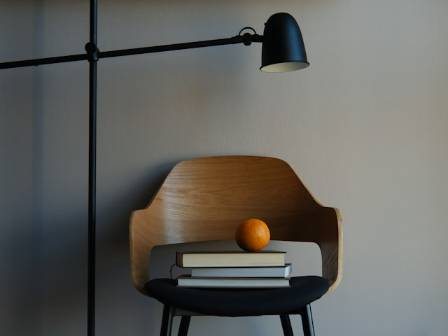
After specifying hundreds of single chairs over the past ten years, I’ve found that the pieces that truly transform a space strike a balance between sculptural appeal, ergonomic comfort, and long-lasting materials.
Lily Hamilton
Desk editor
Editor’s note
The full column continues in quiet type below.
Section
Sunday Broadsheet
After specifying hundreds of single chairs over the past ten years, I’ve found that the pieces that truly transform a space strike a balance between sculptural appeal, ergonomic comfort, and long-lasting materials.
A well-designed lounge chair should invite you to sit, maintain its shape from every angle, and withstand real-life use—whether reading, scrolling on your phone, napping, or hosting guests. The ideal proportions fall within a seat height of 16–18 inches for most adults, a supportive back angle, and arms that leave space for side tables.
Comfort Is Measurable
Comfort isn’t just subjective—it can be quantified. WELL v2 standards emphasize seated postural support and varied seating to reduce musculoskeletal strain, while IES recommends layered lighting for tasks like reading (300–500 lux, warm-white 2700–3000K for residential settings). Steelcase research shows people shift posture every 8–10 minutes while lounging, highlighting the importance of chairs that accommodate micro-movements. Color also influences mood: warm tones can energize, while cool shades promote relaxation, so choose upholstery accordingly. For more guidance on occupant well-being and lighting, refer to WELL v2 and IES standards at wellcertified.com and ies.org/standards.
Scale and Circulation
Spatial comfort matters. Gensler studies show that perceived comfort and usability are closely tied to room scale—a principle that holds at home. A chair that blocks walkways or sightlines will rarely get used. I aim for 30–36 inches of circulation in primary paths, and at least 18 inches between chair and coffee table. In smaller spaces, I often opt for armless or low-arm designs to preserve openness and views to windows or media walls.
Key Design Criteria for Single Living Room Chairs
Proportion & Presence: For most living rooms, target a width of 28–34 inches. Compact rooms benefit from 26–28 inches with light bases like slim metal legs or open wood frames. Large rooms can accommodate 36–40 inches and bold silhouettes.
Seat Height & Depth: 16–18 inches suits most adults. Depths of 20–22 inches are ideal for reading, while 23–25 inches encourage lounging with lumbar support. Shallow seats feel formal; deeper ones feel relaxed.
Back Angle: A 100–110° angle between hips and torso offers a lounge feel without slouching. Subtle recline with lumbar support keeps you comfortable for long chats.
Arm Profile: Slim, gently flared arms allow versatile sitting positions and keep side tables accessible. If you like curling up, wider, lower arms can serve as a perch for books.
Cushioning: High-resilience foam wrapped in down or a down alternative delivers comfort without sagging. For low-maintenance setups, dual-density foam with a fiber wrap maintains form.
Fabric & Finish: For families or pets, aim for abrasion ratings of 30,000+ double rubs (Wyzenbeek) or 40,000+ Martindale, performance fabrics, and removable covers. Leather ages gracefully; semi-aniline balances patina and protection.
Reliable Chair Archetypes
Wrapped Swivel Lounge: Curved barrel or tub forms on a swivel base encourage social interaction. Look for a snug back and soft seat in 28–34 inch widths. Pair with a small side table for unobstructed rotation.
Modern Wingback: Tall shoulders and slim wings offer elegance without bulk. Legs should visually lift the body—tapered wood or metal sleds work well. Ideal with a task lamp for reading.
Scandinavian Low-Profile Lounge: Lean cushions, sling backs, and exposed wood frames keep small spaces feeling open. Pair with a textured rug and low table to balance the chair’s light appearance.
Mid-Century Reclined Shell: Reclined seat, molded arms, and generous headrest create a corner destination. Position near a focal point such as a fireplace, artwork, or window view.
Armless Slipper Chair: Extremely space-efficient, great in pairs beside media consoles or windows. Choose a firm seat with taller legs for upright support.
Statement Sculptural Lounge: Bold curves, asymmetric arms, or artisan frames make a single chair the centerpiece. Keep surrounding pieces simple to let it shine.
Layout & Flow
Chair performance is largely determined by placement. Maintain at least 36 inches in primary pathways (30 inches is acceptable in tighter layouts), 8–12 inches between arms and side tables, and 18 inches to the coffee table. Digital room planners can help visualize spacing before committing.
Color, Texture, and Atmosphere
Use your single chair as a color anchor. A neutral sofa can be complemented with a vibrant accent (rust, indigo, forest green) repeated in pillows or artwork. For calm environments, stick to cool tones like blues or greens, layering textures like boucle, felted wool, or heathered fabrics. For sun-exposed rooms, choose UV-stable, solution-dyed fabrics. In compact spaces, tonal variations keep the palette sophisticated without clutter.
Lighting & Acoustic Comfort
Reading chairs benefit from focused illumination: 2700–3000K lamps with CRI 90+ preserve true color and reduce eye strain. Use shaded heads or adjustable arms to control glare. Dense rugs dampen sound on hard floors, while felt pads under legs prevent squeaks. In open layouts, fabric-heavy chairs absorb mid-frequency noise, improving conversation clarity.
Materials & Sustainability
Select FSC-certified wood frames, low-VOC or Greenguard Gold finishes, and durable textiles. Removable cushion covers extend longevity through cleaning or reupholstery. FiberGuard or solution-dyed poly blends resist stains. Leather should be semi-aniline or pigmented for durability while aging gracefully.
Chair Selection Recommendations
Small Rooms: Armless slipper or Scandinavian lounge (28–30 inches); open frames allow light to pass.
Medium Rooms: Wrapped swivel or modern wingback (30–34 inches); pair with side tables and glare-free lamps.
Large Rooms: Sculptural lounge or mid-century shell (34–40 inches); consider two chairs for conversation areas.
Family Homes: Performance fabrics, tight backs, removable covers, double-stitched seams.
Collector Spaces: Single statement piece in bold form; neutral surroundings highlight the chair.
Styling & Layering
Anchor chairs with a 24–30 inch round or 18–22 inch square side table. Add a single throw pillow (18–20 inches). Larger pillows can overwhelm. Drape a lightweight throw perpendicular to the seat for a tidy look. Mix leg styles for visual rhythm in multi-chair arrangements.
Common Pitfalls
Oversized arms that block table access.
Seats deeper than 25 inches without lumbar support.
Glossy leather in bright rooms—glare can be harsh.
Swivel clearance ignored—keep 6–8 inches from side tables.
Choosing fabric only by color—always check durability and feel.
More from the edition
Column · en
Mastering Sunset Art: A Comprehensive Alcohol Marker Tutorial
Creating a breathtaking sunset illustration may appear complex, but it is remarkably approachable when broken down into logical phases. This guide explores how to utilize alcohol markers and a touch of colored pencil to render a vibrant evening landscape. By layering specific hues of orange, pink, and violet, you can achieve a professional-grade transition from the glowing sun to the deepening sky.
Column · en
Are Flavored Sparkling Waters Bad for You? The Science Behind Bubbly Drinks
Sparkling water has become a ubiquitous beverage in recent years, capturing the attention of health-conscious consumers and casual drinkers alike. By 2020, the global sparkling water market had surged to a staggering $29 billion, a testament to its popularity as a seemingly guilt-free alternative to sugary sodas and sweetened beverages.1 With zero calories, no added sugars, and a refreshing fizz, it’s easy to see why many people view sparkling water as a healthy choice. However, when flavors like lemon, grapefruit, or berry are added, the narrative becomes more complex. To unpack whether flavored sparkling waters are truly good for you, we turn to expert insights from Sean Hashmi, MD, a physician and regional director of weight management and clinical nutrition for Kaiser Permanente Southern California, who breaks down the key considerations—from carbonation’s effects to the hidden risks of artificial sweeteners and the truth behind “natural flavors.”
Column · en
Easy Indoor Plants for Beginners
Houseplants bring a refreshing sense of life to indoor spaces while also helping improve the atmosphere and brighten your mood. Even if gardening has never been your strength, you can still become a successful plant parent by starting with beginner-friendly indoor varieties and other low-maintenance houseplants.
Column · en
From Fiction to Function: 8 Technologies Shaping Our Future
The line between science fiction and scientific achievement is rapidly blurring. Innovations once confined to the pages of novels and movie screens are now emerging from laboratories and workshops, fundamentally changing how we live, work, and interact with the world. Here are eight technologies leading this transformation from speculative fantasy to tangible reality.
Column · en
Basil benefits: Nourishing cancer warriors
Basil is a fragrant herb widely used in Iranian, Italian, Greek, Chinese, and Indian cooking. While it is well known for enhancing the flavor of many dishes, basil also has a variety of potential health benefits beyond the kitchen. During cancer treatment, many patients look for supportive approaches that may help improve their quality of life alongside medical care. Including basil as part of a balanced diet may provide valuable nutrients and beneficial plant compounds. Let’s explore how this herb may support cancer patients and overall wellness.
Column · en
Exploring Decorative Inlay and Mosaic Techniques in Ancient Art
Decorative inlay and mosaic techniques have long been central to the artistic and technical achievements of ancient societies, offering a window into cultural identity and craftsmanship. Their intricate designs and enduring construction reveal advanced methods that continue to inspire contemporary artisans.