Sunday column
Fun Facts About Penguins
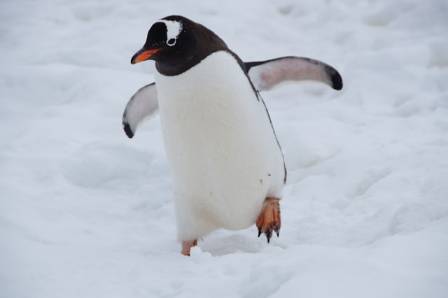
Penguins are among the most delightful and captivating creatures on the planet, boasting incredible adaptations for life in the ocean and social behaviors that feel surprisingly familiar.
Caleb Morris
Desk editor
Editor’s note
The full column continues in quiet type below.
Section
Sunday Broadsheet
Penguins are among the most delightful and captivating creatures on the planet, boasting incredible adaptations for life in the ocean and social behaviors that feel surprisingly familiar.
Although penguins are confined to the southern hemisphere, they capture hearts worldwide. These flightless birds are both amusing and fascinating, as they waddle through their colonies and engage with fellow penguins. Certain species, like the Emperor Penguin, endure extreme conditions such as Antarctic blizzards in the dead of winter, while others confront formidable predators, including orcas and leopard seals. These small champions seem capable of nearly everything—except flying, naturally.
Yet, the reality is grim: penguin populations are struggling. Out of 18 species globally, half are classified as threatened or endangered by BirdLife, largely due to climate change, overfishing, poaching, and other environmental threats. These challenges are serious, but protecting penguins is worth the effort. Here are ten fascinating reasons why penguins are so remarkable:
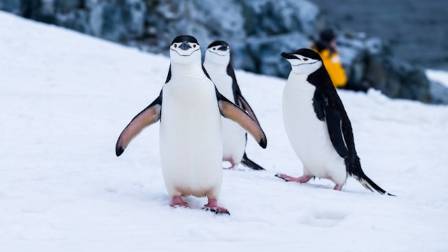
1.Penguins possess a specialized gland that removes salt from their bloodstream, allowing them to drink seawater while swimming. The excess salt is expelled through their nostrils, giving them a perpetual sniffle and making them frequently shake their heads.
2.All penguin parents pair up for the breeding season, but species like Magellanic, Gentoo, and Royal Penguins mate for life. Their dedication to raising chicks is extraordinary—they have even been observed mourning the loss of their young.
3.The Emperor Penguin is the largest species, weighing over 77 pounds and standing nearly four feet tall. They are covered with around 80 feathers per square inch—the densest of any bird. Their natural “wetsuits” allow them to survive the treacherous march to their Antarctic breeding grounds, sometimes trekking over 70 miles in temperatures as low as -40°F.
4.In 2014, researchers uncovered a prehistoric species called the Colossus Penguin, which stood nearly seven feet tall. Found in Antarctica, this giant penguin lived approximately 37 million years ago.
5.Adélie Penguins are particular nest builders: they gather small pebbles left by melting glaciers. At their colonies, they can often be seen carrying a pebble in their beak, adding it to their nest collection.
6.Penguins may appear awkward on land, but in water, they are exceptionally agile. According to Audubon field editor and bird expert Kenn Kaufman, they move through the ocean with the elegance of porpoises and the speed of sharks. Gentoo Penguins are the fastest swimmers, reaching 30 miles per hour, while Emperor Penguins can hold their breath for up to 22 minutes underwater.
7.The African Penguin has earned the quirky nickname “jackass penguin” because of its braying call, reminiscent of a donkey. While it may seem odd to humans, these vocalizations help penguins communicate within their colony.
8.A common misconception: penguins and polar bears never meet in the wild. Penguins live exclusively in the southern hemisphere, while polar bears inhabit the North Pole. The Galapagos Penguin, the northernmost species, lives just south of the Equator on Fernandina and Isabela Islands.
9.The Macaroni Penguin received its name from 18th-century British explorers, who thought its head feathers resembled the flamboyant fashion of “macaronis” in Europe. The phrase from the song “Yankee Doodle”—“stuck a feather in his cap and called it macaroni”—refers directly to this trend.
10.Unlike most penguins, Yellow-eyed Penguins nest in secluded pairs rather than large colonies. They also prefer forest floors and grassy coastlines in New Zealand over icy habitats. Only seven penguin species are adapted to survive harsh winters; the rest inhabit warmer regions in South Africa and across the Pacific.
More from the edition
Column · en
Hydrangea Growing Guide
Hydrangeas, commonly known as hortensias, are popular flowering shrubs admired for their abundant blooms and decorative foliage. With proper planting, pruning, and maintenance, these plants can provide impressive displays year after year.
Column · en
A Design Enthusiast's Journey through Gothic Architecture
Gothic architecture, renowned for its iconic pointed arches and magnificent stained glass, stands as one of the most grandiose and enduring architectural styles in history. While its origins trace back to medieval times, many new structures boasting Gothic characteristics continue to grace our skylines each year. These structures, which include churches, government buildings, and educational campuses, incorporate Gothic elements to imbue them with a profound sense of history, permanence, and grandeur, all while captivating us with their breathtaking beauty.
Column · en
Things You Didn’t Know About: Bee-eaters
Wildlife SOS’s “Things You Didn’t Know About” series highlights unusual and fascinating information about different wild species. Each feature focuses on one animal and explores the special traits that make it important within its ecosystem. Bee-eaters are a particularly fascinating group of birds, known for their vivid colors and extraordinary ability to catch flying insects while in the air.
Column · en
Autumnal Street Style: Mastering the Season’s Best Looks and Essentials
As the scenery transforms into a vibrant display of changing leaves and the temperature begins to drop, it is time to transition from summer lightweight fabrics to the rich, cozy aesthetics of autumn. Elevating your urban wardrobe this season involves a strategic blend of specific palettes, tactile fabrics, and foundational pieces. This guide explores how to curate a sophisticated fall wardrobe that balances comfort with a high-fashion edge.
Column · en
Hōlei Sea Arch facts
The Hōlei Sea Arch is a remarkable natural rock formation located in Hawaii. Standing approximately 90 feet (27 meters) high, this impressive arch can be found along the southern coastline of the Big Island, also known as Hawaii Island. It lies south of the well-known Kīlauea volcano.
Column · en
6 of the World’s Most Impressive Piers
Across coastlines worldwide, piers stand as a bridge between land and sea. Some are beloved for their seaside entertainment, others are marvels of history, while a few are celebrated simply for their sheer size. Built from timber, concrete, or steel, these structures have become icons of both engineering and culture. Here are six of the most extraordinary piers on the planet.