Sunday column
Hōlei Sea Arch facts
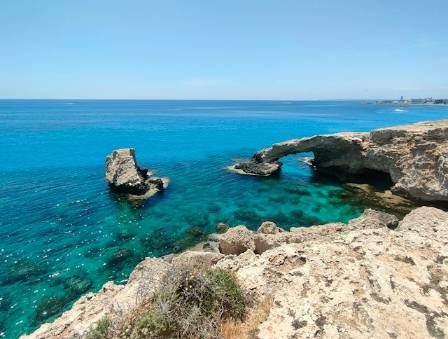
The Hōlei Sea Arch is a remarkable natural rock formation located in Hawaii. Standing approximately 90 feet (27 meters) high, this impressive arch can be found along the southern coastline of the Big Island, also known as Hawaii Island. It lies south of the well-known Kīlauea volcano.
Livia Mercer
Desk editor
Editor’s note
The full column continues in quiet type below.
Section
Sunday Broadsheet
The Hōlei Sea Arch is a remarkable natural rock formation located in Hawaii. Standing approximately 90 feet (27 meters) high, this impressive arch can be found along the southern coastline of the Big Island, also known as Hawaii Island. It lies south of the well-known Kīlauea volcano.
How Hōlei Sea Arch Was Formed
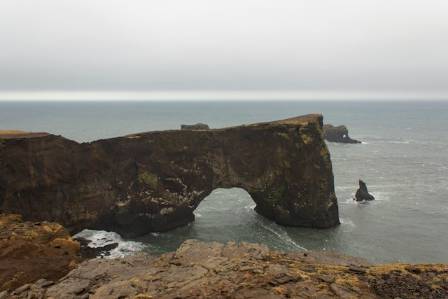
This stunning coastal landmark was created through the continuous power of the Pacific Ocean. For thousands of years, waves repeatedly struck the lava cliffs, gradually wearing away the rock through a process known as marine erosion. Over time, this relentless natural force carved an opening through the cliff, creating the sea arch seen today.
The arch is made from basalt, a dark and durable volcanic rock formed when molten lava cools and hardens. Its name comes from Hōlei Pali, a steep cliff located nearby on the slopes of Kīlauea volcano.
Location of Hōlei Sea Arch
Hōlei Sea Arch is situated in the Kaʻū District of Hawaii County and is part of Hawaii Volcanoes National Park. Because of its unique geological features and dramatic ocean views, it has become a popular attraction for visitors exploring the park.
The arch is located at the end of Chain of Craters Road, a scenic route that begins near Halemaʻumaʻu, the main crater area of Kīlauea volcano. In 1990, lava flows from Puʻu ʻŌʻō, another volcanic area connected to Kīlauea, covered part of the road and stopped further access beyond this point.
Visiting Hōlei Sea Arch
Reaching Hōlei Sea Arch is relatively simple by vehicle. Visitors can follow Chain of Craters Road through Hawaii Volcanoes National Park to reach this spectacular viewpoint.
The site offers an excellent opportunity to witness the power of nature and observe how volcanic activity, ocean waves, and erosion have worked together over time to shape Hawaii’s dramatic coastline.
More from the edition
Column · en
What is the Empire State Building?
The Empire State Building is one of the most famous attractions in New York City. Standing 102 stories tall, it held the title of the world’s tallest skyscraper for over four decades. Located at the intersection of Fifth Avenue and West 34th Street in Manhattan, the building was originally designed as an office tower. However, its iconic design and incredible city views have made it a major destination for millions of visitors every year.
Column · en
Key Insights into the Nature of Black Holes
A black hole is fundamentally a region in space where the gravitational pull is so intense that nothing can escape its grasp. This extreme gravity is the result of matter being squeezed into a tiny space. While these cosmic entities may seem mysterious, understanding their characteristics helps clarify how the universe operates at its most extreme limits.
Column · en
How to Paint a Mountain Lake Sunset
In this tutorial, I’ll guide you through painting a mountain lake sunset, inspired by the stunning views of Lake Wanaka in New Zealand. This landscape features autumn trees, towering mountains, a calm lake, and the evening sun peeking through clouds.
Column · en
10 Facts About Ducks
Ducks belong to the Anatidae family, along with swans and geese. They are smaller and have shorter necks than swans, but humans have long relied on them for feathers, eggs, and meat.
Column · en
The World’s Most Beloved Frozen Delight
As summer temperatures climb, few things bring universal joy like ice cream. Found on nearly every continent, frozen desserts come in many forms—each shaped by local ingredients and traditions. Though often associated with childhood, ice cream transcends age, evoking delight and nostalgia in equal measure. From ancient history to contemporary creations, frozen treats have evolved globally. Historical accounts trace the earliest versions to the time of Alexander the Great, who enjoyed chilled mixtures sweetened with honey. The Roman Emperor Nero is also said to have favored snow infused with fruits and juices. Centuries later, Marco Polo is believed to have returned from Asia with a sherbet-style recipe, paving the way for what would become modern ice cream in Europe. While ice cream as we know it is popular worldwide, nearly every country has a unique take on the chilled indulgence. From Asia to the Americas, here’s how different cultures reimagine this frozen pleasure:
Column · en
Easy Sakura Jelly Recipe
There’s something magical about preserving the short-lived beauty of cherry blossoms—and Sakura Jelly captures that feeling perfectly. With its soft pink tones and gentle floral scent, each bite feels like a small tribute to spring. I first encountered this dessert during a peaceful afternoon tea, and its light sweetness and refreshing taste immediately stood out.