Sunday column
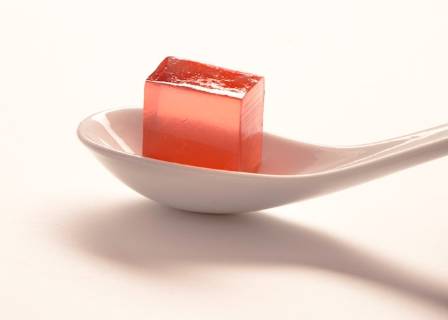
Easy Sakura Jelly Recipe
There’s something magical about preserving the short-lived beauty of cherry blossoms—and Sakura Jelly captures that feeling perfectly. With its soft pink tones and gentle floral scent, each bite feels like a small tribute to spring. I first encountered this dessert during a peaceful afternoon tea, and its light sweetness and refreshing taste immediately stood out.
Lauren Mitchell
Desk editor
Editor’s note
The full column continues in quiet type below.
Section
Sunday Broadsheet
There’s something magical about preserving the short-lived beauty of cherry blossoms—and Sakura Jelly captures that feeling perfectly. With its soft pink tones and gentle floral scent, each bite feels like a small tribute to spring. I first encountered this dessert during a peaceful afternoon tea, and its light sweetness and refreshing taste immediately stood out.
What makes Sakura Jelly so appealing is how easily simple ingredients can be transformed into an elegant, comforting treat. Whether you’re entertaining guests or simply treating yourself, this recipe brings a touch of seasonal charm right into your kitchen.
Why Sakura Jelly Stands Out
Graceful Appearance: Its pastel pink color and delicate floral fragrance reflect the beauty of spring.
Simple to Make: Uses basic ingredients that are easy to find.
Light Texture: A dessert that feels refreshing without being overly sweet or heavy.
Flexible Serving: Ideal as a snack, plated dessert, or tea-time companion.
Quick Preparation: Ready in under an hour, making it both convenient and impressive.
Ingredients
For the Jelly Base
Sakura (cherry blossom) extract or syrup – provides floral aroma and signature color
Agar agar powder – a plant-based setting agent for a smooth texture
Water – forms the base of the jelly
Sugar – adds gentle sweetness
For Garnish and Flavor Boost
Edible cherry blossoms – for decoration and enhanced presentation
Lemon juice – adds brightness and balances sweetness
How to Prepare Sakura Jelly
Step 1: Mix
In a small saucepan, combine 1 cup of water, agar agar powder, and sugar. Heat over low heat, whisking until smooth and the sugar dissolves completely (about 2 minutes).
Step 2: Heat
Increase the heat slightly and bring the mixture to a gentle boil. Stir continuously for 3–4 minutes until the agar agar is fully dissolved and the liquid appears smooth.
Step 3: Add Flavor
Remove from heat and stir in the sakura extract along with a teaspoon of lemon juice. Mix gently until the liquid turns a soft pink and releases a floral aroma.
Step 4: Set
Pour the mixture into molds or small cups. Let it cool at room temperature, then refrigerate for at least 30 minutes until firm.
Garnishing
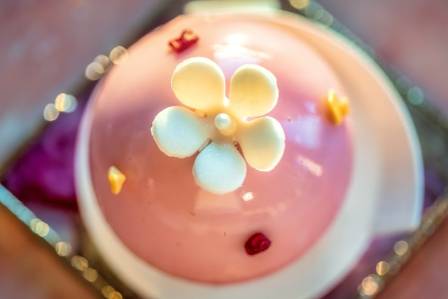
Place edible cherry blossom petals on top for decoration
Optional: drizzle with honey or dust with matcha powder for added flavor and contrast
Variations and Substitutions
Different Floral Notes: Try rose water or lavender instead of sakura for a new aroma.
Fruit Additions: Blend in strawberry or raspberry puree for extra flavor and color.
Natural Sweeteners: Replace sugar with honey or agave syrup.
Alternative Gelling Agents: Use gelatin if agar agar is unavailable (note: not vegan).
Citrus Boost: Add lemon or orange zest for a refreshing twist.
Frozen Treat: Turn into jelly cubes for drinks in warmer weather.
Crunchy Topping: Sprinkle pistachios or sesame seeds for texture contrast.
Spiced Version: Infuse with a hint of cardamom or ginger for warmth.
Storage and Freezing
Refrigeration: Keep in an airtight container for up to 5 days.
Freezing: Store for up to 2 months; wrap portions well before freezing.
Thawing: Let it defrost in the refrigerator overnight.
Serving: Always enjoy chilled for the best taste and texture.
Make-Ahead Tips
You can prepare Sakura Jelly up to a day in advance. Simply complete the jelly base and let it set in molds, then refrigerate. Keep it covered to preserve its fragrance. Before serving, add garnishes like cherry blossoms or a splash of lemon juice for freshness.
What to Serve with Sakura Jelly
Green Tea: Its earthy flavor balances the sweetness beautifully.
Fresh Fruit: Seasonal fruits add color and contrast.
Matcha Cake: A slightly bitter note pairs well with the jelly’s light sweetness.
Coconut Cream: Adds richness and a creamy texture.
Yuzu Sorbet: Bright citrus flavors enhance the floral notes.
Mochi: Soft and chewy, offering a complementary texture.
These pairings elevate Sakura Jelly into a well-rounded dessert experience.
Helpful Tips
Use high-quality sakura extract for the best aroma
Stir agar thoroughly to avoid lumps
Adjust sweetness gradually to maintain balance
Let the mixture cool before refrigerating to prevent condensation
Add decorations after the jelly sets
Serve cold for maximum refreshment
FAQs
How can I tell if my sakura extract is good?
Choose one with a clean, light floral scent. Avoid products with artificial or overly strong smells.
How should I store it?
Keep it sealed in the fridge for up to 5 days to maintain freshness.
Can it be frozen?
Yes, freeze for up to 2 months. Thaw slowly in the refrigerator.
Why didn’t my jelly set properly?
This usually happens if the agar wasn’t fully dissolved. Be sure to boil and stir until smooth.
Is it safe for everyone?
Generally yes, but avoid if allergic to floral ingredients. It’s also not suitable for pets.
Final Thoughts
Sakura Jelly is a simple yet elegant dessert that captures the essence of spring. With minimal ingredients and an easy process, you can create a beautiful, refreshing treat that’s both visually stunning and delicious. Whether shared with others or enjoyed alone, it’s a gentle reminder of seasonal beauty in edible form.
More from the edition
Column · en
Polar Bears: Giants of the Arctic
Polar bears (Ursus maritimus) are close relatives of brown bears but have evolved to thrive in snowy, icy habitats, inhabiting some of the coldest regions in North America. Their black skin helps absorb heat from the sun, while their thick, white fur provides insulation, repels water, and offers camouflage against the snow and ice. Large, webbed paws make them exceptional swimmers, allowing them to navigate the Arctic waters with ease.
Column · en
How to Care for Tulips After They Bloom — Ensuring Colorful Returns Each Spring
Tulips are iconic spring bloomers known for their bright colors and graceful shape. While they often shine in their first year, their ability to return strongly in following seasons depends on how you care for them after flowering. Here’s a complete guide to keeping tulips healthy and show-worthy year after year.
Column · en
Gooderham Tower, Canada’s Most Iconic Flatiron
Often called Toronto’s Flatiron Building, the Gooderham Building stands as one of the city’s most cherished landmarks. Located at the junction of Wellington Street and Front Street, it displays remarkable architectural design while also reflecting the legacy of a leading Toronto family that played a major role in the region’s industrial development.
Column · en
The Definitive Manual for Selecting the Ideal Men’s Shirt
The shirt serves as the fundamental building block of a man's wardrobe. Consequently, identifying the precise dimensions and silhouette is essential to making a successful purchase. Given the vast array of aesthetic variations, selecting the perfect piece requires an understanding of how style choices influence the final look. This guide provides a strategic overview to help you navigate your next acquisition.
Column · en
The perfect boat
Selecting a boat for ocean cruising is a major decision that deserves careful consideration. I have explored this subject during numerous rallies and spoken with hundreds of skippers about their experiences. Almost every sailor has a different opinion about which boat is ideal and the reasons behind that choice, yet surprisingly few people question just how important it is to select the right vessel from the beginning.
Column · en
The Changing Nightscape in the Era of Urban Transformation
A recent photographic study of a coastal landscape at night provided a poignant introduction to a scholarly dialogue regarding the intersection of metropolitan environments and historical analysis. The visual scene depicts a dusky environment where trees and residential architecture are illuminated by scattered lamps, while a distant city appears as a glowing silhouette against the horizon. This image effectively highlights how contemporary urban areas are now visually distinct from natural landscapes due to the pervasive reach of nocturnal lighting. Investigating the history of nighttime illumination reveals how this phenomenon has long been overlooked, despite being a constant presence in the daily lives of global populations.