Sunday column
How to Care for Tulips After They Bloom — Ensuring Colorful Returns Each Spring
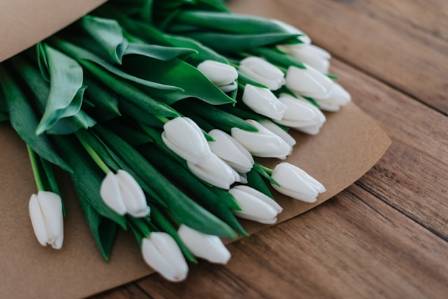
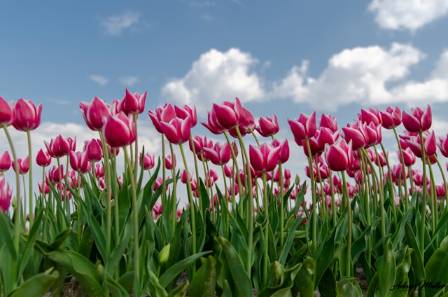
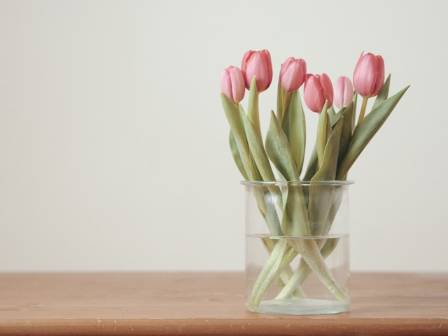
Tulips are iconic spring bloomers known for their bright colors and graceful shape. While they often shine in their first year, their ability to return strongly in following seasons depends on how you care for them after flowering. Here’s a complete guide to keeping tulips healthy and show-worthy year after year.
Emmett Langford
Desk editor
Editor’s note
The full column continues in quiet type below.
Section
Sunday Broadsheet
Feed Them After Flowering
Remove Spent Blooms, Keep the Leaves
Properly Store Bulbs if Replanting
-
Carefully dig up the bulbs (usually 8 inches deep)
-
Shake off any soil
-
Trim off dry leaves and roots without damaging the bulbs
-
Lay them out to dry for several days
-
Store in a ventilated container like a paper bag or cardboard box
-
Keep them in a dark, dry, cool place until fall
-
Check for mold periodically and discard any rotting bulbs
Choose Long-Living Tulip Varieties
-
Species Tulips: Small, wild tulips that adapt well and multiply over time.
-
Darwin Hybrids: Strong stems and large flowers; avoid cutting them if you want them to naturalize.
-
Fosteriana (Emperor): Known for bold blooms and good perennial behavior.
-
Greigii: Eye-catching blooms with decorative foliage.
-
Kaufmanniana: Early bloomers that thrive in borders and containers.
Plant in the Right Location
Water Wisely
More from the edition
Column · en
The 10 Greatest Impressionist Landscape Paintings
The Impressionist movement revolutionized 19th-century art, breaking away from classical traditions to focus on light, color, and the transient beauty of the natural world. Landscapes became the ideal subject for artists to experiment with these innovations. Below, we explore ten of the most remarkable Impressionist landscape paintings, examining their techniques, significance, and lasting impact.
Column · en
5 Van Aesthetics to Fit Your #Vanlife Vibe
Chase the sun and surf with van life vibes in the classic Volkswagen – where freedom meets the road.
Column · en
The Most Essential Principles Every Landscape Painter Must Master
Landscape painting is a timeless art form that allows artists to translate the beauty and emotion of the natural world onto canvas. No matter your experience level, understanding a few core principles can dramatically improve both the realism and emotional impact of your work. Below are the most vital concepts every landscape painter should know to create compelling and memorable paintings.
Column · en
Care Guide for the ZZ Plant
The ZZ plant (Zamioculcas zamiifolia), also known as the Zanzibar Gem, is a popular low-maintenance houseplant recognized for its glossy, oval-shaped leaves that grow along long, thick stems.
Column · en
Light and Fluffy Sponge Cake: A Simple Guide
Sponge cake, also called foam cake, is a soft and airy dessert that gets its delicate texture from whipped eggs. Varieties such as angel food, genoise, chiffon, and Victoria sponge all fall under the “sponge” category. In this guide, I’ll walk you through everything you need to know and share my favorite recipe.
Column · en
Bluestone Bridge
As you cross the present-day Blue Stone Bridge and listen to the peaceful flow of Wissahickon Creek beneath you, it is difficult to imagine how lively and heavily traveled this same spot once was.