Quiet Type Edition
NTnotedthesundy.com
← Back to desk4 min column
10 Most Common Types of Event Venues

Sunday column

10 Most Common Types of Event Venues

When planning an event, one of the foundational decisions is where to host it. The venue not only sets the mood but also influences logistics, budget, and guest experience. According to RealtyTimes, here are the ten types of venues most commonly used — each with its own strengths, best-uses, and considerations.

N

Nathan Brooks

Desk editor

Editor’s note

The full column continues in quiet type below.

Section

Sunday Broadsheet

When planning an event, one of the foundational decisions is where to host it. The venue not only sets the mood but also influences logistics, budget, and guest experience. According to RealtyTimes, here are the ten types of venues most commonly used — each with its own strengths, best-uses, and considerations.

1. Hotels & Resorts

These venues are a go-to for conferences, weddings, galas and multi-day events thanks to their built-in lodging, catering and event amenities. Because many services are already integrated (rooms, food/beverage, AV equipment), they simplify coordination. Best for: Business meetings, large receptions, and events requiring overnight stays. Considerations: Cost may be higher, peak-season rates fluctuate, and you may have less flexibility on décor if tied to a brand.

2. Convention & Conference Centers

Large standalone spaces designed specifically for gatherings, with large exhibition halls, breakout rooms, and often specialized infrastructure. They are ideal when scale, flexibility and customizable space are top priorities. Best for: Trade shows, large meetings, multi-track conferences, large-scale banquets. Considerations: They can feel less personal or atmospheric than more unique venues, and sometimes require more work to dress and furnish.

3. Banquet Halls / Ballrooms

These venues are commonly used for weddings, receptions, gala dinners, and other major social events. Their strengths include open floorplates, strong catering partnerships and experience hosting formal gatherings. Best for: Social events with many guests, formal dinners, milestone celebrations. Considerations: Less lodging on-site (unless part of a hotel), and you may pay for full packages even if you use only part of the space.

4. Restaurants / Bars / Nightclubs

Smaller, more intimate venues that are great for relaxed or stylish gatherings — think cocktail receptions, product launches, birthday celebrations, networking mixers. These venues often come with built-in personality (ambience, décor, food & drink). Best for: Smaller events, social mixers, relaxed celebrations, brand activations. Considerations: Capacity is limited, schedules may be restricted (especially in nightlife venues), and décor/branding flexibility may be less than blank-canvas spaces.

5. Museums, Galleries & Cultural Venues

These venues bring an element of sophistication and uniqueness. Hosting an event among art, exhibits or historic architecture automatically elevates the ambiance. Best for: Fundraisers, high-end receptions, brand-centric events, cultural gatherings. Considerations: Often higher cost, more restrictions on décor or event flow (to protect exhibits), and sometimes limited service infrastructure compared to hotels.

6. Outdoor Venues: Gardens, Parks, Rooftops

These are popular for weddings, summer events, corporate retreats or anything where scenery and fresh air matter. They bring a natural or open-air feel. Best for: Outdoor weddings, casual or upscale soirees, events wanting a scenic backdrop. Considerations: Weather risk, need for contingency planning (tents, indoor backup), sometimes more logistics for power, restrooms, lighting.

7. Historic Estates / Country Clubs / Golf Courses
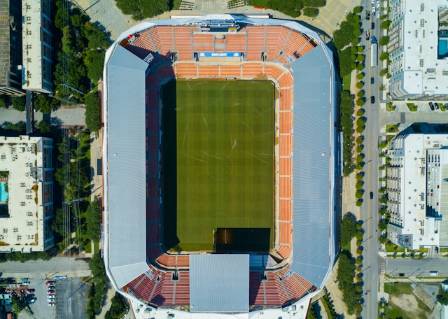
These venues offer character, prestige and a sense of occasion. An estate, mansion or country club can provide both indoor and outdoor space in a refined setting. Best for: Weddings, upscale corporate events, retreats, milestone celebrations. Considerations: Often premium pricing, may have more restrictions, and guest lodging may be off-site if the venue doesn’t provide it.

8. Event Centers, Warehouses & Industrial Spaces

For planners who want a more flexible, customizable “blank-canvas,” these venues are ideal. They allow you to create your own look, bring in all your own vendors, and define the space entirely. Best for: Creative brand events, modern weddings, large parties with custom installations. Considerations: These spaces often require more vendor coordination (catering, décor, AV), and may lack built-in amenities (restrooms, kitchen, accommodations) typically found in traditional venues.

9. Community Centers / Recreation Facilities

These are local, more budget-friendly options. Many community centers make available multipurpose rooms, gymnasiums or smaller halls for rent — good for meetings, smaller social gatherings, local events or nonprofits. Best for: Adult classes, community meetings, small-scale social events, affordable gatherings. Considerations: Fewer bells and whistles, less upscale ambiance, and you may need to bring in nearly everything (furniture, décor, AV).

10. Unique / Unconventional Spaces (Lofts, Rooftops, Yachts, Farms)
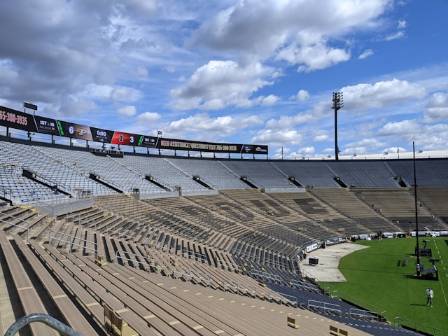
These venues are increasingly popular for those seeking something out of the ordinary. Think rooftop cocktails, vineyard weddings, loft parties, or historic barns. They offer experiential value and “wow”-factor. Best for: Creative, memorable events, weddings that want a distinct vibe, brand experiences. Considerations: These often demand more planning, vendor sourcing, sometimes higher logistics cost (transport, setup), and may require more coordination for licenses/permits.

Why Knowing the Venue Types Matters

Understanding these venue types helps you match your event goals with the right kind of setting. The “right” venue is not simply the most beautiful or the biggest — it’s the one that aligns with your audience, budget, logistics, and experience you want to deliver.
Having this awareness makes your venue-selection smarter, your planning smoother, and ultimately your event more successful.

More from the edition

Column · en

How to Tear Paper for Textured Edges

Creating a torn paper edge is a simple technique that can add texture, depth, and character to crafts such as card making, scrapbooking, and rubber stamping. Although tearing paper may seem effortless, using the right methods can help the effect appear intentional and polished rather than random. By understanding how paper behaves and practicing a few techniques, you can achieve attractive and consistent results.

Column · en

How to Make Classic Tiramisu (No-Bake Italian Dessert)

Tiramisu, the iconic Italian no-bake dessert, is easier to make at home than you might think—all it takes is a little patience, solid whisking skills, and a few pro tips. This recipe uses a traditional cooked zabaglione base (for food safety) and gets even better after chilling overnight, making it the perfect make-ahead treat for gatherings or special occasions.

Column · en

China’s 10 Best-preserved Ancient City Walls

China is a country filled with history, mystery, and inspiration. As one of the world’s oldest civilizations, it has preserved countless traces of its thousands of years of cultural development. Among these surviving treasures are numerous ancient city walls.

Column · en

The Do’s & Don’ts of Mixing Flowers Together

When designing bouquets and flower arrangements with fresh-cut blooms, most attention naturally goes toward appearance. Florists often focus on selecting the ideal color combinations, finding the perfect tones to complement an event theme, and creating eye-catching designs through different textures, shapes, and structures.

Column · en

Amazing facts about whales

Whales are among the most awe-inspiring, enigmatic, and often misunderstood animals on Earth. They traverse enormous distances across oceans, dive to extreme depths, and possess remarkable intelligence. Unfortunately, centuries of commercial hunting and the ongoing impacts of climate change have drastically reduced their populations.

Column · en

Wooden Alarm Clocks That Enhance Your Home Decor

Anjankstore is a home-products brand focused on creative, practical, and attractive items that can add both convenience and personality to your living environment. One of its notable products is the Wooden Digital Alarm Clock, which combines useful everyday functions with a natural decorative style.