Sunday column
Is It Okay to Wear Brown in the Winter?
Brown is an especially fitting color for the winter season. Its rich, natural character works beautifully with the darker shades typically associated with cold weather, while also bringing to mind warm and comfortable winter settings. It also pairs naturally with many of the fabrics and accessories commonly worn during this time of year. In this guide, we’ll look at why brown is such a strong winter choice, which colors work well with it, and how to build brown outfits for a variety of occasions.
Rosalie Vesper
Desk editor
Editor’s note
The full column continues in quiet type below.
Section
Sunday Broadsheet
Brown is an especially fitting color for the winter season. Its rich, natural character works beautifully with the darker shades typically associated with cold weather, while also bringing to mind warm and comfortable winter settings. It also pairs naturally with many of the fabrics and accessories commonly worn during this time of year. In this guide, we’ll look at why brown is such a strong winter choice, which colors work well with it, and how to build brown outfits for a variety of occasions.
Why Brown Works in Winter
Color and Seasonal Harmony
Brown functions as a warm, grounded neutral that blends effortlessly with classic winter colors such as black, gray, navy, and burgundy.
Lighter brown shades, including camel and tan, are particularly suitable for relaxed everyday outfits, while richer shades such as chocolate and espresso brown can create a more refined appearance for formal or dressier settings.
Natural and Psychological Associations
Brown naturally reminds us of winter landscapes and cozy surroundings, from tree bark and fallen leaves to warm wooden interiors.
Because of these associations, the color can create a feeling of comfort, warmth, and stability, making it especially appealing during the colder months.
Material Synergy
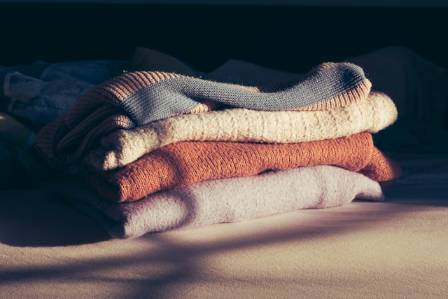
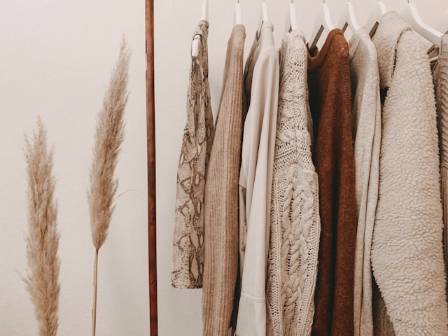
Another advantage of brown is how naturally it works with traditional winter materials. Wool, knitted fabrics, leather, and velvet all complement brown beautifully.
Combining the right fabric with a rich brown shade can make an outfit feel even more seasonal, adding both visual depth and a cozy quality.
How to Pair Brown with Other Colors
Neutral Combinations
For an elegant and dependable combination, pair brown with other neutral shades such as gray, black, camel, or beige. These colors create outfits that feel sophisticated, balanced, and easy to wear year after year.
Accent Colors
If you want your brown outfit to have more personality, introduce richer accent shades. Deep red, forest green, navy, and burgundy can provide contrast while maintaining a distinctly winter-inspired appearance.
Shades and Undertones
Pay attention to the undertones within the brown you choose. Brown shades that contain hints of red or yellow can work particularly well with both warm and cooler colors, allowing you to create combinations that feel cohesive rather than mismatched.

Winter Styling and Clothing Choices
Layering and Textures
Winter dressing is all about combining layers and creating contrast between different textures. A brown sweater or dress can be worn beneath a wool coat, layered with a knitted cardigan, or paired with a leather jacket.
These combinations not only provide extra warmth but also give the outfit greater dimension and visual interest.
Footwear and Accessories
Boots are an easy match for brown winter outfits. Depending on your style and the occasion, you can choose ankle boots, knee-high boots, or shorter boot styles.
Accessories can add another layer of personality. Scarves, belts, hats, and understated jewelry can complement the outfit while providing additional texture and detail.
Occasion-Based Styling
Everyday Casual
For a comfortable daily outfit, try combining a brown sweater with a soft cardigan and jeans or leggings. The result is relaxed, warm, and effortless.
A brown dress can also be paired with a denim jacket and ankle boots for an easygoing look that remains stylish and practical for everyday activities.
Simple additions such as a scarf or crossbody bag can give a casual outfit a more finished appearance without making it feel overly styled.
Work and Formal
For professional settings, a dark brown dress paired with a black or gray blazer creates a polished and sophisticated combination.
Brown trousers can be styled with a tailored coat and either heels or loafers for an elegant office-ready ensemble.
Keep the finishing touches refined with understated jewelry and a structured handbag. These accessories can reinforce the professional character of the outfit without overwhelming it.
Evenings and Parties
For evening events or festive occasions, brown can take on a much more glamorous character. A velvet or subtly glossy brown dress paired with metallic heels or a statement clutch creates an eye-catching party look.
A brown satin skirt can also be combined with a fitted top and bold accessories for dinners, celebrations, or social gatherings.
When temperatures drop, finish the outfit with a tailored coat or faux-fur layer. This keeps you comfortable and warm while allowing the overall look to remain elegant and sophisticated.
Conclusion
Brown is a classic winter shade that offers an appealing combination of warmth, elegance, and flexibility. By experimenting with different brown tones, seasonal textures, and complementary colors, you can create outfits that feel comfortable while still looking polished and fashionable.
Whether you prefer casual layers, professional tailoring, or glamorous evening pieces, brown is an easy color to incorporate into your winter wardrobe. This season, don’t overlook brown—it has everything you need to become a stylish and versatile winter staple.
More from the edition
Column · en
5 Things to Know About Sun Conures
Sun conures possess the capacity for speech, though they typically don't match the talking proficiency of some other parrot species. These birds generally acquire only a small vocabulary, and many individuals never develop the ability to imitate human words at all.
Column · en
Care Guide for the ZZ Plant
The ZZ plant (Zamioculcas zamiifolia), also known as the Zanzibar Gem, is a popular low-maintenance houseplant recognized for its glossy, oval-shaped leaves that grow along long, thick stems.
Column · en
Where to See the Milky Way: The Best Stargazing Locations on Earth
Experiencing the Milky Way from Earth is an unforgettable sight, whether you're capturing its beauty through a lens or simply soaking in the cosmic wonder. To make the most of your stargazing experience, you need the right location and timing. The key factors are finding areas far from light pollution and, if possible, at higher elevations for clearer skies.
Column · en
Everything You Need to Know Before Visiting Antelope Canyon
This guide shares key information and personal experience about visiting Antelope Canyon in Page, Arizona, along with practical tips to help you prepare for a trip to these famous slot canyons.
Column · en
The Changing Nightscape in the Era of Urban Transformation
A recent photographic study of a coastal landscape at night provided a poignant introduction to a scholarly dialogue regarding the intersection of metropolitan environments and historical analysis. The visual scene depicts a dusky environment where trees and residential architecture are illuminated by scattered lamps, while a distant city appears as a glowing silhouette against the horizon. This image effectively highlights how contemporary urban areas are now visually distinct from natural landscapes due to the pervasive reach of nocturnal lighting. Investigating the history of nighttime illumination reveals how this phenomenon has long been overlooked, despite being a constant presence in the daily lives of global populations.
Column · en
How Solar Panels Are Changing the Clean Energy World
A solar panel is a device that changes sunlight directly into clean electricity. These units use interconnected photovoltaic modules made of specialized semiconductor materials. Sunlight strikes these materials and energizes tiny subatomic particles called electrons. These moving electrons create a steady direct current that powers electrical devices or charges storage batteries. People frequently refer to these units as solar modules or photo electric panels.