
Introduction: The Allure of Frothy Dairy Toppings
Smooth, pillowy, and irresistibly delicious, whipped cream and cold foam stand as two of the most beloved garnishes for both hot and cold drinks. From elaborately decorated Frappuccinos to perfectly balanced iced cappuccinos, these frothy additions elevate café orders with their texture and flavor, becoming must-have elements for many beverage lovers. Yet, despite their similar appearance and dairy base, whipped cream and cold foam are distinctly different—from their molecular composition and preparation methods to their stability and culinary uses. While one boasts a centuries-long history as a versatile topping, the other is a modern innovation tailored to contemporary drink trends. In this guide, we’ll break down their unique characteristics, exploring their origins, ingredients, making processes, and practical differences to help you understand exactly what sets them apart.
What Is Whipped Cream?
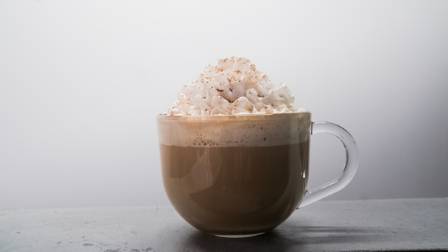
Whipped cream is a timeless, sweet, and fluffy garnish that has enhanced drinks, pancakes, pies, and countless desserts for centuries. Though its exact invention date is unrecorded, it gained widespread popularity in Italy and France during the 16th century, with the first confirmed recipe for the traditional version we know today published in England in 1545 under the whimsical name “neige de lait” (milk snow). The name was later updated to the French “crème fouettée” (whipped cream) in a 1629 recipe book, a term that stuck and shaped its global identity. Scientifically, whipped cream is created by aerating heavy cream (with a butterfat content of at least 22%, preferably higher) in a cold environment—essentially stopping the process of churning cream into butter just before it reaches a solid consistency. Early recipes included cream, sugar, and egg whites (to stiffen the mixture using meringue-like properties), but modern innovations like electric mixers and aerated containers (invented in the 1930s) have made it easy to produce stable, fluffy whipped cream without additional stiffeners, accessible to home cooks and professional chefs alike.
What Is Cold Foam?
In stark contrast to whipped cream’s centuries-old legacy, cold foam is a 21st-century innovation, fresh and tailored to the rise of cold coffee culture. While it first appeared as a topping at overseas franchises like Gong Cha in 2014, Starbucks played a pivotal role in bringing it to the mainstream by popularizing it across the United States. Its debut at Starbucks came in December 2014, served at the newly opened Reserve Roastery in Seattle—not as a customizable add-on, but as a coffee-flavored garnish for a specialty drink called the Americano Con Crema. It wasn’t until 2018 that Starbucks officially launched cold foam as a standalone topping on its website, offering it as an addition to any drink and featuring it in new creations like the Cold Foam Cascara Cold Brew, Cold Foam Cascara Nitro Cold Brew, and Cold Foam Starbucks Blonde Iced Cappuccino. Since then, it has become a staple for cold brew and iced drink lovers, celebrated for its light texture and customizable flavor (with syrups and additions mixed in fresh upon order).
Key Ingredient Differences: Fat Content Matters
The fundamental distinction between whipped cream and cold foam lies in their core ingredients, particularly fat content. Whipped cream relies on heavy cream with a minimum butterfat content of 22% (often higher), as the abundance of fat is critical to its structure and stability. Fats in cold environments maintain a semi-solid state, and when whipped intensely, their molecular membranes break down, allowing them to bind together and trap air bubbles, creating the fluffy texture we associate with whipped cream. Cold foam, by contrast, achieves its texture through protein rather than fat, making nonfat milk the ideal base. Nonfat milk has a higher protein content, which denatures and traps bubbles when vigorously mixed. Fats, especially in cold temperatures, tend to rupture rather than spread, interfering with bubble formation and reducing stability—even with added syrup. This reliance on protein not only makes cold foam lighter but also lower in calories than whipped cream, though it sacrifices some of the rich, creamy flavor that fat provides.
Preparation Methods: From Traditional Whipping to Modern Blending
Whipped cream and cold foam also differ drastically in how they are made, reflecting their distinct textures and purposes. Whipped cream requires intense, prolonged whipping—either by hand, electric mixer, or aerated container—in a cold environment (chilled bowls and beaters help maintain stability). This process breaks down fat molecules, allowing them to form a network that traps air, resulting in a thick, stable foam that holds its shape well. Cold foam, on the other hand, is a reinvention of steamed milk optimized for cold drinks. Instead of heating and aerating with a steamer (as done for hot drinks), cold foam is made by vigorously blending cold nonfat milk with sweet syrup (or other flavorings) in an electric blender or mixer. The blending process denatures milk proteins to trap bubbles, while syrup adds viscosity and elasticity, helping the foam retain its texture without heat. This method is quick and accessible, making cold foam easy to prepare at home with minimal tools, unlike whipped cream, which requires more effort and specific conditions to achieve the right consistency.
Stability and Shelf Life: Melting Rates and Longevity
Their structural differences—one built on fat, the other on protein—translate to significant variations in stability and shelf life. Whipped cream’s fat-based structure is stable when stored in cool temperatures, lasting up to a day (or longer if stabilized with ingredients like gelatin). However, it is sensitive to heat: on hot drinks, whipped cream melts within minutes as fats warm up, releasing trapped air and deflating. Cold foam, while less stable overall, offers better heat resistance than whipped cream, holding its shape on warm beverages for longer periods. Its protein-based bubbles are lighter and more delicate, though, meaning cold foam must be consumed within a few hours of preparation—after that, it loses its texture and dissipates. The trade-off is clear: whipped cream is long-lasting when chilled but melts quickly on heat, while cold foam is short-lived but more resilient to temperature changes in drinks.
Flavor, Texture, and Culinary Uses

In terms of sensory experience, whipped cream and cold foam cater to different preferences. Whipped cream is rich, creamy, and indulgent, with a dense, velvety texture that comes from its high fat content. It pairs beautifully with sweet desserts (like pies and cakes) and hot drinks (such as lattes and hot chocolate), adding a luxurious, sweet finish. Cold foam, by contrast, is light, airy, and slightly frothy, with a cleaner, less rich flavor due to its nonfat base. It is designed specifically for cold drinks—cold brew, iced coffee, iced tea—where its light texture doesn’t weigh down the beverage, instead adding a creamy, flavorful layer without overwhelming the drink’s core taste. Cold foam’s customizability (with syrups, extracts, or even spices) also makes it a favorite for those looking to add a personalized twist to their iced beverages, while whipped cream remains a classic choice for adding indulgence to both hot and cold treats.
Conclusion: Choosing Between Whipped Cream and Cold Foam
Whipped cream and cold foam, though both frothy dairy toppings, serve distinct roles in the culinary world—shaped by their ingredients, preparation, and intended uses. Whipped cream, with its rich fat content, centuries of history, and stable texture, is the go-to for adding indulgence to desserts and hot drinks, offering a creamy, long-lasting finish when stored properly. Cold foam, a modern innovation, is tailored to cold beverages, with a light, protein-based structure that’s low in calories and easy to customize, perfect for those seeking a refreshing, frothy addition without the heaviness of whipped cream. The choice ultimately comes down to your drink of choice, flavor preferences, and desired texture: opt for whipped cream for luxury and longevity, or cold foam for lightness and compatibility with iced drinks. Either way, both toppings showcase the versatility of dairy, turning ordinary beverages into memorable treats.