Sunday column
The Health Benefits of Regularly Consuming Raspberries
Raspberries are a wonderful addition to our diet, filled with a plethora of valuable nutrients that can bring about numerous positive impacts on our overall health. They come in various appealing colors and can be savored in multiple ways, whether eaten raw or incorporated into different culinary creations like smoothies and baked treats.
Mason Carter
Desk editor
Editor’s note
The full column continues in quiet type below.
Section
Sunday Broadsheet
Raspberries are a wonderful addition to our diet, filled with a plethora of valuable nutrients that can bring about numerous positive impacts on our overall health. They come in various appealing colors and can be savored in multiple ways, whether eaten raw or incorporated into different culinary creations like smoothies and baked treats.
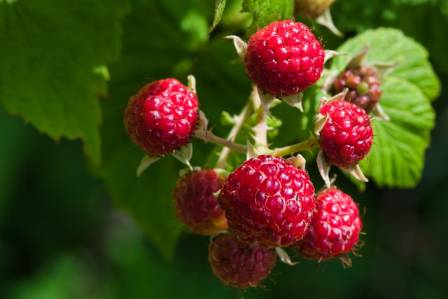
A Visual Delight of Raspberries
Raspberries are replete with antioxidants that play a crucial role in safeguarding our body from a host of health issues and maintaining our well-being.
Disease Prevention Powerhouse
Raspberries serve as an excellent source of antioxidants such as vitamin C, quercetin, and ellagic acid. These elements work together to shield our body from potential damage that could otherwise lead to various health concerns. They can contribute to reducing the risks associated with heart disease by influencing factors like blood pressure and cholesterol levels. Moreover, they may assist in warding off diabetes and inhibiting the growth and spread of cancerous cells. By combating inflammation and bolstering the immune system, raspberries help in keeping our body in optimal health.
Blood Sugar Regulation
Raspberries have the ability to stabilize blood sugar levels by facilitating the body's efficient processing of glucose and enhancing the utilization of insulin. This makes them particularly advantageous for those with pre-diabetes or diabetes. Their natural tannins can slow down the digestion of carbohydrates, thus preventing sudden surges in blood sugar. A study demonstrated that incorporating raspberries into the daily diet led to a reduction in post-meal blood sugar and a decrease in inflammation among individuals with type 2 diabetes. Thanks to their low glycemic index (GI), raspberries result in a more gradual increase in blood sugar compared to high-GI foods, ensuring more stable energy levels and better overall blood sugar control.
Anti-Aging Effects
As we age, our body's production of collagen, the protein responsible for maintaining the firmness and smoothness of our skin, tends to decline. This can gradually give rise to wrinkles, sagging skin, and a loss of skin elasticity. Consuming an adequate amount of vitamin C-rich foods like raspberries can help decelerate this aging process. Vitamin C is essential for the synthesis of collagen and for keeping our skin healthy. Additionally, the antioxidants present in raspberries can protect our skin from damage caused by environmental factors such as sunlight and pollution, which can accelerate the aging process.
Enhancing Eye Wellness
Raspberries contain lutein and zeaxanthin, nutrients that are vital for maintaining good eye health. These nutrients accumulate in the macular area at the back of the eye, where they act as a shield against harmful blue light and minimize damage from stress. This helps in lowering the risk of age-related macular degeneration (AMD), a condition that can lead to vision loss as we grow older. Eating raspberries, which are rich in these nutrients, can also strengthen the eyes by increasing the protective pigments in the retina. Furthermore, they may alleviate dry eye symptoms by improving tear production and reducing irritation.
Boosting Cognitive Abilities
Raspberries are abundant in anthocyanins, which can enhance memory and promote better blood circulation to the brain. Studies have indicated that consuming berries, including raspberries, can improve focus, learning capabilities, and problem-solving skills. The lutein in raspberries also offers protection to brain cells from damage and may reduce the risk of memory-related disorders. Research suggests that making raspberries a regular part of our diet can contribute to improved cognitive function and help maintain a healthier brain for a longer time.
Heart Disease Defense
The antioxidants found in raspberries can play a significant role in reducing inflammation that is often a precursor to heart disease. They also contain potassium, which is beneficial for maintaining healthy blood pressure levels. Experts recommend consuming around 4,700 milligrams (mg) of potassium daily for optimal health. The fiber in raspberries further contributes to safeguarding against high blood pressure, high cholesterol, and obesity, all of which are risk factors for heart disease.
Digestive Health Promotion
The high fiber and water content in raspberries is conducive to a healthy digestive system. Fiber is known to prevent constipation and create a favorable environment in the gut. Increasing the intake of dietary fiber can lead to an increase in the number of beneficial bacteria in the gut. Regular consumption of red raspberries can boost the population of good bacteria in the digestive tract, ensuring its proper balance and smooth functioning. The natural compounds in raspberries, aside from just their fiber, act as prebiotics by nourishing these good bacteria and facilitating their growth.
Metabolic Syndrome Risk Reduction
Regularly including raspberries in our diet may help lower the risk of metabolic syndrome, a cluster of conditions that encompasses high cholesterol, high blood pressure, and obesity. These conditions collectively increase the susceptibility to developing diabetes, heart disease, and other health problems. Consuming more dietary fiber through raspberries can assist in reducing the risk of type 2 diabetes. In one study, individuals at risk of diabetes who consumed red raspberries required less insulin and had lower blood sugar levels.
Arthritis Symptom Alleviation
Research suggests that red raspberries may offer relief from the symptoms of arthritis due to their anti-inflammatory properties. A clinical trial found that red raspberry extract improved the symptoms of knee osteoarthritis, indicating potential benefits for joint health. Moreover, the polyphenols in raspberries may help protect cartilage and reduce inflammation, which could potentially slow down the progression of arthritis. While these findings are promising, further research is still needed.
Ways to Include Raspberries in Your Diet
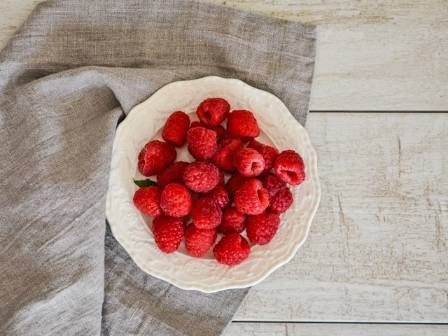
Before consuming raspberries, it is advisable to rinse them with cool water. Fresh raspberries typically remain fresh for a few days when stored in the refrigerator. Freezing them is an effective method for long-term preservation. It is best to choose berries that are brightly colored, plump, and firm. Raspberries can be enjoyed in their raw form or incorporated into the diet in numerous ways, such as being used as a topping for oatmeal, pancakes, or waffles, blended into smoothies, mixed with yogurt, or made into sorbet from mashed frozen raspberries.
Allergy Considerations with Raspberries
Although allergic reactions to raspberries are relatively uncommon, some individuals may still experience an allergic response. Raspberries contain proteins that are also present in other fruits. If someone is allergic to these proteins, consuming raspberries might trigger a reaction, a situation known as cross-reactivity. Raspberries can cause cross-reactions with other foods containing these allergens, especially strawberries, currants, cherries, peaches, nectarines, apricots, plums, apples, and pears.
Summary of Key Points
Raspberries are a rich source of vitamins, fiber, and antioxidants that can offer protection against chronic diseases and support healthy skin and weight management. They can assist in preventing diabetes, cancer, age-related eye diseases, and arthritis. There are various ways to incorporate raspberries into our diet, such as adding them to yogurt, using them as a topping for breakfast items, or blending them into smoothies. While they are generally safe for most people, those with fruit allergies (particularly to strawberries or peaches) should consult a healthcare provider before consuming them.
More from the edition
Column · en
Gooderham Tower, Canada’s Most Iconic Flatiron
Often called Toronto’s Flatiron Building, the Gooderham Building stands as one of the city’s most cherished landmarks. Located at the junction of Wellington Street and Front Street, it displays remarkable architectural design while also reflecting the legacy of a leading Toronto family that played a major role in the region’s industrial development.
Column · en
A Journey Through Classic Chinese Desserts
Chinese desserts encompass a vast array of techniques, flavors, and culinary traditions that have developed over many years.
Column · en
Mastering Bike Transportation: A Guide for Every Enthusiast
As bike parks and forest trail centers open their doors, the question arises: How can you transport your bike safely and securely on or in your car? Let's delve into various options, examining the advantages and drawbacks of each. It's crucial to adhere to safety guidelines, including weight limits and proper installation, regardless of the method chosen.
Column · en
Deer Art and Decor: Emblems of Vitality and Endurance
The deer is a resilient species that has flourished across the globe by adapting to diverse and demanding climates. One of its most striking physical attributes is its majestic antlers, which serve as both defensive tools and instruments for social display within the animal kingdom. Characterized by remarkable speed, precision, and elegance when in motion, the deer is also a biological marvel capable of digesting a vast range of plant life. This evolutionary success has made the deer a favored subject in art, particularly for those looking to enhance their living spaces with meaningful and sophisticated animal figurines.
Column · en
Rugby Unveiled: A Novice's Handbook
For those new to the world of rugby union, the intricacies of the game might initially perplex. Questions may arise about the frequent halts in play, the distinction between a 'ruck' and a 'maul,' and the essence of a scrum in rugby. Fear not! Our rugby guide for beginners ensures that you swiftly grasp the fundamentals, transforming you into an avid spectator in no time.
Column · en
Hidden Histories of Famous Animated Figures
Most of us hold fond memories of the cartoons that defined our youth. Whether it was the frantic energy of Donald Duck or the mystery-solving adventures of Scooby-Doo, animation has spent nearly a century evoking deep emotional responses in audiences.