Sunday column
Fiddle Leaf Fig Houseplant
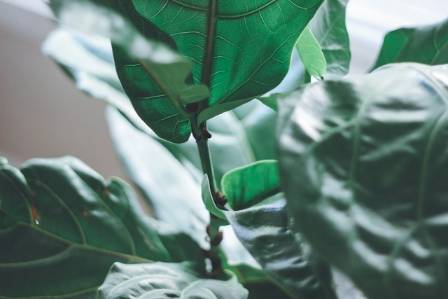
The common name “Fiddle Leaf Fig” can describe either Ficus lyrata or Philodendron bipennifolium. It is fairly common for one popular name to be used for more than one plant species, and this is one such example. The care information here applies specifically to Ficus lyrata, which is the plant most often sold as a Fiddle Leaf Fig houseplant in retail stores.
Alina Voss
Desk editor
Editor’s note
The full column continues in quiet type below.
Section
Sunday Broadsheet
The common name “Fiddle Leaf Fig” can describe either Ficus lyrata or Philodendron bipennifolium. It is fairly common for one popular name to be used for more than one plant species, and this is one such example. The care information here applies specifically to Ficus lyrata, which is the plant most often sold as a Fiddle Leaf Fig houseplant in retail stores.
Fiddle leaf figs can be somewhat demanding. They prefer specific levels of light and humidity and can struggle when their soil becomes either excessively wet or overly dry. They are also sensitive to drafts. The key to keeping one healthy is learning to recognize what your plant is telling you and responding as soon as you notice signs of stress. Providing the right placement and consistent care will help your fiddle leaf fig remain attractive and vigorous.
Location, Location, Location
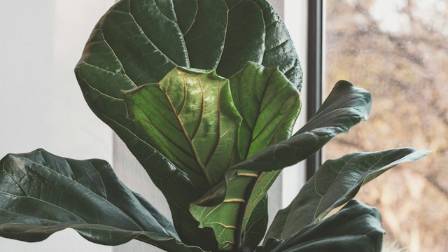
Fiddle leaf figs need a bright location and generally perform especially well when they receive morning sunlight. When the plant is growing happily, it can become quite tall and large. When conditions are unsuitable, however, it may become thin and stretched, with leaves that appear yellow, brown, or dull. Premature leaf drop and an overall decline in health can also occur.
If your home does not have a sufficiently bright area for a fiddle leaf fig, it may be better to find the plant another location. These plants also dislike drafts, so avoid placing them where they are exposed to frequent cold or moving air.
A healthy fiddle leaf fig can eventually reach around 10 feet in height. In coastal areas, an oversized indoor plant may sometimes be moved outside to a protected location, such as a patio. If you do this, make sure the plant is shielded from strong wind, excessive sun that could cause leaf burn, and cold temperatures.
Watering
Providing the correct amount of water is one of the most important parts of fiddle leaf fig care. Both excessive watering and insufficient watering can create problems. Yellow or brown leaves that fall before their natural time are common signs that watering conditions may not be appropriate.
It is generally safer to be cautious when watering. Check the soil and water the plant when the upper two inches have become dry. After watering, make sure the container is not left sitting in drained water. Prolonged exposure to excess water can lead to root rot and seriously affect the health of the plant.
Fertilizing
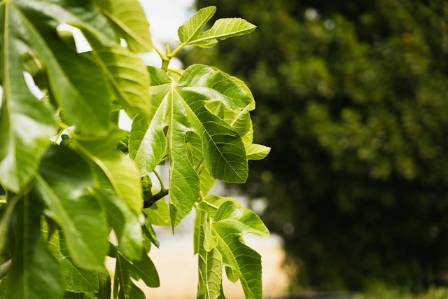
Too much fertilizer can also damage a fiddle leaf fig, particularly by causing the edges of its leaves to become burned. Feed the plant at least once or twice during the growing season, particularly in spring and summer.
A standard houseplant fertilizer is suitable. Always follow the directions provided on the fertilizer label, and keep in mind that using more fertilizer does not result in better growth. To reduce the risk of fertilizer burn, using approximately half of the recommended concentration is a cautious approach, but never exceed the amount specified on the product label.
Humidity
Because the fiddle leaf fig originates from tropical rainforests in Africa, it prefers humidity levels that are higher than the average found in many homes. Brown edges around the leaves can be a sign that the surrounding air is too dry.
Avoid positioning the plant directly beside a heating source because the air in these areas tends to have lower relative humidity. If you need to increase moisture around the plant, grouping several plants together can help create a more humid environment. For a particularly cherished fiddle leaf fig, placing a small humidifier nearby is another option.
Grooming
Keeping the leaves clean is another simple way to care for a fiddle leaf fig. Lightly mist the foliage with water and gently wipe the leaves using a soft cloth to remove accumulated dust and dirt.
If the edges of the leaves have turned brown, you can carefully trim the damaged portions with clean scissors, following the natural outline of the leaf. Remove leaves that have died or fallen from the plant.
Each time you water, take a moment to inspect the plant for signs of insects or disease. Making this part of your regular watering routine allows you to identify potential problems early and take action before they become more serious.
Pruning
Fiddle leaf figs can be pruned when necessary. Removing or pinching the new growth at the ends of branches can encourage the plant to produce a fuller, more compact form.
When a fiddle leaf fig is cut, a milky white sap will emerge from the wound. Be sure to blot the sap and clean the area afterward so that it does not drip onto your floor or surrounding surfaces.
If you cut the main trunk back, the plant can respond by producing new leaves from the trunk, allowing you to encourage new growth and reshape the plant.
Propagation
Fiddle leaf figs can be propagated from stem cuttings. Begin with a stem tip cutting approximately 6 inches long that includes a leaf, then place the cutting in water and allow it time to develop roots.
Air layering is another propagation technique that can be used to produce a new fiddle leaf fig from an established plant.
More from the edition
Column · en
Mountain Chicken: The Frog Fighting for Survival
Despite what its unusual name suggests, the mountain chicken is neither a chicken nor an animal that lives exclusively in the mountains. It is actually a species of frog native to the Caribbean islands of Dominica and Montserrat.
Column · en
All true spider monkeys are on the verge of extinction.
Spider monkeys belong to the genus Ateles and are easily recognized by their extremely long limbs and curved, hook-shaped hands.
Column · en
14 Essential Caribbean Island Escapes
With over seven hundred islands scattered across its turquoise waters, the Caribbean presents countless destinations boasting immaculate shores and unforgettable beach experiences.
Column · en
The Most Breathtaking Coastal Scenery in the World: Must-Visit Ocean Destinations
The ocean holds an irresistible allure for humans. We willingly invest time and money just to witness its vast, mesmerizing beauty. While we may never fully understand what draws us to the sea, one thing is certain—there are countless breathtaking ocean views around the world waiting to be discovered. If you're looking for some of the most spectacular coastal landscapes, we’ve handpicked several stunning locations, each offering a unique and unforgettable experience.
Column · en
Fundamentals of Watercolor Florals: A Comprehensive Guide for New Artists
Mastering floral subjects is an ideal way to explore a contemporary watercolor style. It encourages a fluid and spontaneous approach, allowing you to utilize the medium's unique ability to blend and bleed effortlessly. While many beginners feel intimidated by the complexity of petals and three-dimensional structures, the secret to success lies in simplification. By focusing on essential shapes and expressive strokes rather than minute details, you can avoid muddy results and create vibrant, airy compositions.
Column · en
Tulips in Art: Beauty, Power, and Symbolism
Like many flowers, the tulip carries a wide range of symbolic meanings when it appears in artworks.