Sunday column
Celebrating Biodiversity: Asian Crested Ibis
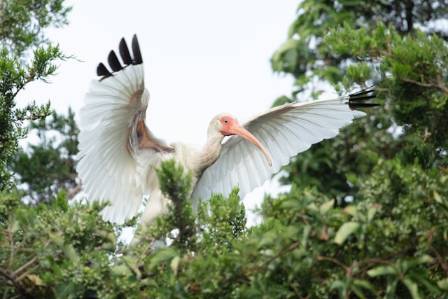
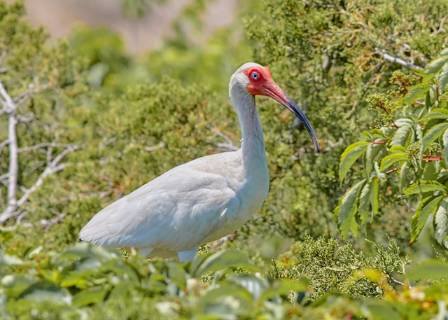
The Asian crested ibis (Nipponia nippon) is a bird with a special place in Japanese culture and history. It was mentioned in Japan’s second-oldest historical record, Nihon Shoki (The Chronicles of Japan), completed in 720. Known as the toki in Japanese, this elegant bird once inhabited a wide region, including all of Japan, southeastern Siberia, central and eastern China, and the Korean Peninsula.
Grace Nolan
Desk editor
Editor’s note
The full column continues in quiet type below.
Section
Sunday Broadsheet
The Asian crested ibis (Nipponia nippon) is a bird with a special place in Japanese culture and history. It was mentioned in Japan’s second-oldest historical record, Nihon Shoki (The Chronicles of Japan), completed in 720. Known as the toki in Japanese, this elegant bird once inhabited a wide region, including all of Japan, southeastern Siberia, central and eastern China, and the Korean Peninsula.
For centuries, the crested ibis was a familiar sight across Japan. However, by 1934, the country recognized that the species was rapidly disappearing. Only a small number of individuals remained, leading Japan to designate the bird as a national natural treasure. Although this protection was an important step, it could not stop the continuing decline. By 1957, the population had fallen to only 11 birds.
The Causes Behind the Decline
The disappearance of the Asian crested ibis was caused by several environmental pressures. The destruction of forest areas used for nesting, the transformation of wetlands into agricultural fields, widespread pesticide use in farming regions, and hunting all contributed to the dramatic population decrease.
By 1960, the situation had become extremely serious. The species was classified as critically endangered and received international protection from the International Committee for Bird Preservation (ICBP), which is now known as BirdLife International.
In 1967, Japan established the Niigata Toki Conservation Center on Sado Island in Niigata Prefecture in an effort to save the remaining birds and begin conservation work.
The Last Wild Toki in Japan
By 1981, the Asian crested ibis had disappeared from the wild everywhere except mainland Japan, where only five individuals survived on Sado Island. These remaining birds were captured and transferred to a captive breeding program in hopes of rebuilding the population.
Unfortunately, the breeding efforts were unsuccessful at first. The final wild toki in Japan, a female named Kin, passed away in 2003 at the age of 36 while living at the Sado Toki Conservation Center.
At that moment, many scientists believed that the Asian crested ibis might have become extinct worldwide.
A Hopeful Discovery in China
Fortunately, a remarkable discovery changed the future of the species. In 1981, seven Asian crested ibises were found living in a remote area of the Qinling Mountains in Shaanxi Province, central-eastern China.
China immediately began conservation programs focused on protecting the birds in their natural environment and developing captive breeding efforts. These programs achieved encouraging results, leading to international cooperation between China and Japan.
China provided birds to Japan to support breeding efforts, and after several years of work, the Sado Toki Conservation Center finally succeeded in breeding the species.
Returning the Toki to the Wild
A major milestone came in 2008 when 10 captive-bred Asian crested ibises were released into the wild. Another 19 birds followed in 2009. These releases were supported by educational campaigns encouraging local communities to reduce pesticide use in rice-growing areas and create safer habitats for the birds.
In 2012, after 31 years without successful wild reproduction in Japan, a pair of released tokis successfully produced offspring on Sado Island.
Then, in 2016, chicks were born from parents that themselves had been born in the wild from captive-bred ancestors. After more than four decades, the return of wild Asian crested ibises in Japan had become a reality.
A Conservation Success Story
The recovery of the Asian crested ibis is an inspiring example of successful wildlife conservation. However, it is also a reminder that this species came extremely close to disappearing forever.
The dedication of conservation researchers, local communities, and wildlife experts in both Japan and China played a crucial role in bringing the toki back from the edge of extinction.
Without their long-term commitment and cooperation, this beautiful bird might have existed only in history books and museum records.
The Future of the Asian Crested Ibis
Today, visitors can still see conservation efforts at the Sado Toki Conservation Center, where breeding programs continue. More importantly, wild Asian crested ibises can once again be observed in the wetlands, grasslands, and rice fields of Sado Island.
The continued protection of the toki and its habitat remains essential. With ongoing conservation efforts, this iconic bird may eventually return to more areas throughout Japan.
The success of cooperation between Japan and China also demonstrates how international partnerships can help protect endangered species around the world and provide hope for many other animals facing similar challenges.
More from the edition
Column · en
Amazing facts about whales
Whales are among the most awe-inspiring, enigmatic, and often misunderstood animals on Earth. They traverse enormous distances across oceans, dive to extreme depths, and possess remarkable intelligence. Unfortunately, centuries of commercial hunting and the ongoing impacts of climate change have drastically reduced their populations.
Column · en
Seafood Recipes for an Elegant Dinner
Seafood has long been connected with elegant dining, and it’s not difficult to understand why. Its delicate flavor, rich texture, and versatility make it an excellent choice for refined meals. Whether you are planning a festive celebration or simply treating yourself to something special, seafood dishes can instantly make dinner feel more sophisticated.
Column · en
The Most Suitable Material For Building Groynes In The Sea
Groynes are a commonly used coastal defence structure throughout the UK, and many of our scenic shorelines feature timber groynes. They serve a crucial role in protecting beaches from coastal erosion and maintaining shoreline stability. Groynes are also installed along riverbanks to reduce erosion and enhance navigability. While they can be constructed from various materials such as concrete and rock, this article highlights the advantages of using timber.
Column · en
The World’s Most Beloved Frozen Delight
As summer temperatures climb, few things bring universal joy like ice cream. Found on nearly every continent, frozen desserts come in many forms—each shaped by local ingredients and traditions. Though often associated with childhood, ice cream transcends age, evoking delight and nostalgia in equal measure. From ancient history to contemporary creations, frozen treats have evolved globally. Historical accounts trace the earliest versions to the time of Alexander the Great, who enjoyed chilled mixtures sweetened with honey. The Roman Emperor Nero is also said to have favored snow infused with fruits and juices. Centuries later, Marco Polo is believed to have returned from Asia with a sherbet-style recipe, paving the way for what would become modern ice cream in Europe. While ice cream as we know it is popular worldwide, nearly every country has a unique take on the chilled indulgence. From Asia to the Americas, here’s how different cultures reimagine this frozen pleasure:
Column · en
6 Thrilling US Destinations for Your Next Off-Road 4x4 Adventure
When it comes to off-road adventures, the excitement is palpable, regardless of the season. However, as winter blankets much of the northern US in snow, some might find their adventurous spirit hibernating. But fear not! Planning your next 4x4 escapade should always be on your radar. So let’s ignite that wanderlust! Here’s a curated list of 6 exhilarating off-road destinations across the United States that are bound to deliver unforgettable experiences.
Column · en
8 Incredible Facts About El Capitan You Should Know
El Capitan, a monumental granite formation in Yosemite National Park, stands as one of the most iconic and challenging features in the world. Its vast scale and unique history make it a must-visit for nature enthusiasts and rock climbers alike. With towering cliffs, impressive geological origins, and historical climbing milestones, El Capitan captivates all who encounter it. Whether you're interested in its natural beauty or its pivotal role in the climbing community, here are eight fascinating facts that highlight why this giant rock formation continues to awe visitors from around the globe.