Sunday column
The Fragrant Shade-Loving Ground Cover That Thrives Almost Anywhere
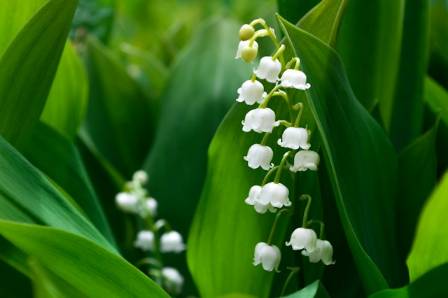
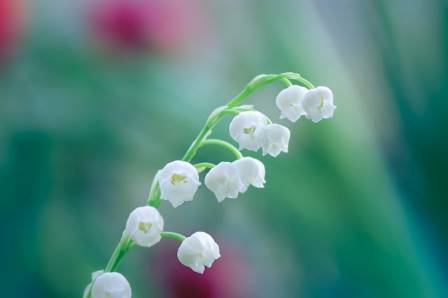
Lily of the valley is admired for its delicate white, bell-shaped blossoms and its distinctive, sweet fragrance. Although it prefers shady conditions, this plant is remarkably hardy and dependable, making it an excellent ground cover for many regions across the country.
Darien Locke
Desk editor
Editor’s note
The full column continues in quiet type below.
Section
Sunday Broadsheet
Lily of the valley is admired for its delicate white, bell-shaped blossoms and its distinctive, sweet fragrance. Although it prefers shady conditions, this plant is remarkably hardy and dependable, making it an excellent ground cover for many regions across the country.
When planted beneath shade trees, along steep slopes, or beside the foundation of a house, lily of the valley can gradually create a thick carpet of green foliage that remains attractive from spring through fall.
Start with Healthy Plants
Lily of the valley is commonly available as bare-root plants. Each plant, sometimes referred to as a "pip," comes with a well-developed root system. Once placed in the ground, these plants can establish themselves quickly and begin producing new growth.
Plan for Successful Growth
Shade and Sun
Lily of the valley produces the best flowering when grown in partial shade. It can also tolerate full shade, although plants growing in very low light may produce fewer flowers.
Growing Zone
Lily of the valley is hardy in USDA zones 3 through 9. Gardeners who are uncertain about their local growing zone should consult the USDA hardiness zone map before planting.
When to Plant
Bare-root lily of the valley should be planted in early spring while the plants are still dormant. Container-grown plants have greater flexibility and can be put into the ground at any point during the growing season.
Where to Plant Lily of the Valley
Lily of the valley is a shade-loving ground cover that develops a dense and extensive root system. As the plants become established, their roots spread outward and can eventually suppress weeds as well as many other nearby plants.
With only a small number of plants to begin with, you can eventually develop a thick, attractive carpet of green. From spring until fall, the foliage can help landscaped areas maintain a tidy appearance with very little ongoing care.
Rather than placing lily of the valley in a perennial flower bed where it would compete with other plants, it is better to treat it as a ground cover and provide an area where it has room to spread.
Good locations include shady or partially shaded areas beneath trees and shrubs, steep slopes and irregular ground where mowing is difficult, and neglected areas where other garden plants may struggle to survive.
How to Plant Lily of the Valley
Prepare the planting area by loosening the soil to a depth of approximately 12 inches. If the soil needs improvement, incorporate compost along with an all-purpose granular fertilizer, following the fertilizer manufacturer's recommended application rate.
Dig a planting hole that is deep enough to accommodate the roots. Position the plant so that the crown, which is the point where the roots connect with the stem, sits approximately one inch below the surface of the soil.
Fill the hole with soil, making sure the roots are completely covered, and then water the newly planted lily of the valley thoroughly.
Tips for Growing Lily of the Valley
If the roots appear particularly dry when you receive or prepare them for planting, place them in cool water for about one hour before putting them into the ground. Newly planted lily of the valley should receive water once a week during the first four to six weeks while the plants establish themselves.
Lily of the valley is exceptionally resilient and can adapt to a wide range of soil types and climates. Although its roots prefer moist conditions, established plants develop considerable drought tolerance and can withstand periods of relatively dry weather.
In warmer growing zones, the foliage may remain green even throughout the winter months. Deer also tend to leave both the foliage and flowers alone, making lily of the valley a useful choice for areas where deer browsing is a concern.
How to Care for Lily of the Valley
Lily of the valley is among the easiest plants to maintain and requires very little ongoing attention.
Once flowering has ended, the delicate blossoms fade relatively quickly. There is no need to remove the spent flowers or deadhead the plants.
The foliage remains green throughout the growing season and tends to look its best when the plants receive adequate moisture and are grown in partial to full shade. With suitable growing conditions, lily of the valley can provide attractive ground cover with almost no maintenance.
More from the edition
Column · en
The Majestic Red-Crowned Crane
The red-crowned crane is one of the largest and heaviest crane species in the world. Adults usually reach a height of approximately 150 to 158 cm (4 ft 11 in to 5 ft 2 in) and weigh between 4.8 and 10.5 kg (11 to 23 lbs). Their impressive wingspan can extend from 220 to 250 cm (7 ft 3 in to 8 ft 2 in), giving them a powerful and elegant presence in flight.
Column · en
The Most Impressive Race Cars In The Industry
The world of motorsport is filled with high-octane excitement, from Formula 1 circuits to the unpredictable challenges of rally racing. Across the globe, manufacturers compete in multiple championships each season, constantly pushing engineering limits to build faster, sharper, and more capable machines. A few cars, however, rise above the rest and earn legendary status.
Column · en
Types of Rock Climbing Explained
If there’s one takeaway from the media attention around Tommy Caldwell and Kevin Jorgeson’s ascent of the Dawn Wall, it’s that rock climbing is surprisingly difficult to explain to people who don’t climb. Even for climbers themselves, the styles, gear, and terminology can be confusing. This is a simplified overview of the main types of climbing.
Column · en
The Symbolism and Significance of the Lotus Flower
The lotus flower is one of the most recognizable plants in the natural world, admired not only for its elegant appearance but also for its rich symbolism and its positive role in supporting environmental health.
Column · en
Egypt Beyond the Pyramids: Temples & Wonders
When travelers begin planning a journey to Egypt, the first image that usually comes to mind is standing before the legendary Pyramids of Giza. And for good reason—the pyramids are one of the greatest wonders of the ancient world. However, Egypt has far more to offer beyond this iconic landmark, with countless temples, museums, and historical sites waiting to be explored.
Column · en
A Beginner's Guide to Tea
For people who already enjoy it, tea is a comforting and versatile drink suitable for almost any moment. However, for beginners, tea can seem like an incredibly complex world filled with countless varieties, aromas, and flavor combinations. There is much more to tea than simply choosing a box from a supermarket shelf.