Sunday column
The Most Awe-Inspiring Mount Fuji: Why It Belongs on Your Japan Itinerary
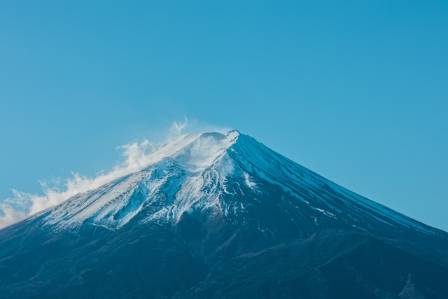
Mount Fuji isn’t just a mountain; it’s a cultural heartbeat of Japan. From vantage points across Tokyo to serene lakes at the foothills, Fuji’s snow-capped cone commands both the skyline and the imagination. In this short guide, we’ll tour the reasons Fuji deserves a place in any journey through Japan, and share what makes it an experience that stays with you long after you’ve returned home.
Andrew Lewis
Desk editor
Editor’s note
The full column continues in quiet type below.
Section
Sunday Broadsheet
Introduction
Mount Fuji isn’t just a mountain; it’s a cultural heartbeat of Japan. From vantage points across Tokyo to serene lakes at the foothills, Fuji’s snow-capped cone commands both the skyline and the imagination. In this short guide, we’ll tour the reasons Fuji deserves a place in any journey through Japan, and share what makes it an experience that stays with you long after you’ve returned home.
A Symbol among Japan’s Holy Peaks
Fuji isn’t merely the country’s tallest summit; it’s revered as one of Japan’s Three Holy Mountains, alongside Tate and Haku. This sacred status flows from ancient Shinto and Buddhist traditions, enriching any visit with a sense of history and spiritual resonance that few other landscapes can match.
A Shape That Has Shaped Art and Imagination
For more than a millennium, Fuji’s symmetrical silhouette has inspired artists and writers. From the ukiyo-e prints of Hokusai to contemporary photography, Fuji’s iconic form is a universal shorthand for Japan itself, making it a must-see for culture lovers and a powerful muse for creators.
Accessible Views from Every Corner
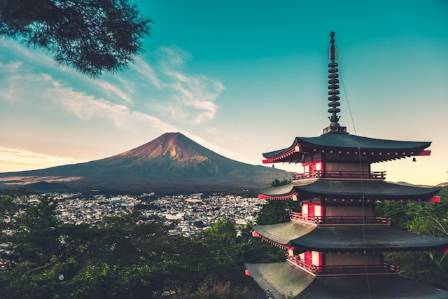
You don’t have to climb to feel Fuji’s grandeur. Even from high-speed trains or from the Five Lakes region, the summit cuts a dramatic figure against the sky. For many visitors, simply photographing the peak from Lake Kawaguchiko offers a memorable introduction to its majesty.
A Seasonal Spectacle
Fuji reveals a different face with every season. In summer, the base hosts lush forests and long hiking days; in winter, a pristine white peak dominates the landscape; spring blossoms and autumn foliage add their own colors. Each season offers a unique lens through which to experience Fuji’s beauty.
A Climb Worth the Effort (If You Choose)
For those drawn to reach the summit, the official climbing season (July through September) opens a rigorous but rewarding path. An 8- to 12-hour round trip can deliver a sunrise moment over the crater that many say is worth every step. Even if you don’t summit, the surrounding trails and viewpoints deliver unforgettable panoramas.
UNESCO Recognition and Global Attention
Fuji’s designation as a UNESCO World Heritage Site in 2013 elevated its status beyond a natural wonder to a symbol of global cultural significance. This recognition helps explain the continual flow of visitors who travel here to absorb Japan’s essence in a single iconic sight.
Conclusion
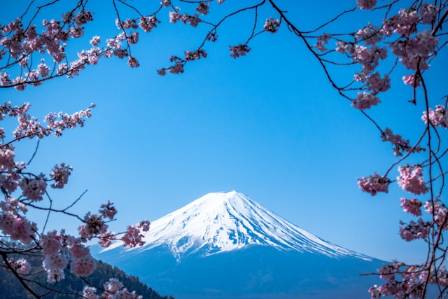
Mount Fuji embodies a blend of natural artistry, spiritual history, and cultural resonance that few destinations can match. Whether you’re chasing art, hiking, photography, or simply a moment of quiet awe, Fuji offers a timeless encounter with Japan’s spirit. If you’re planning a trip, let Fuji be your compass—it points not only to a mountain, but to a richer understanding of the country itself.
More from the edition
Column · en
A Guide To Stylish & Functional Outdoor Adventure Wear.
You are finally preparing for that much-needed outdoor getaway. The fresh air, open scenery, and sense of exploration ahead create the perfect escape. The last thing you want is clothing that limits your experience. Today’s outdoor adventure clothing has transformed far beyond oversized layers and purely practical equipment. Modern designs combine comfort, performance, and style, allowing you to enjoy nature while still looking polished.
Column · en
10 Giraffe Facts
Giraffes live in the dry savannahs of Africa, roaming open plains and woodlands.
Column · en
The Americano Coffee Is an Ode to Simplicity
It’s difficult to say exactly when the Americano became my preferred espresso-based drink. Perhaps it’s because it usually costs less than a latte while still offering a larger serving size than drinks like a cortado. Or maybe it’s simply because it shares its name with the Americano cocktail, one of my personal favorites.
Column · en
Celebrating Biodiversity: Asian Crested Ibis
The Asian crested ibis (Nipponia nippon) is a bird with a special place in Japanese culture and history. It was mentioned in Japan’s second-oldest historical record, Nihon Shoki (The Chronicles of Japan), completed in 720. Known as the toki in Japanese, this elegant bird once inhabited a wide region, including all of Japan, southeastern Siberia, central and eastern China, and the Korean Peninsula.
Column · en
How to Revive a Dehydrated Tree: A Guide to Rehydrating Underwatered Trees
Trees, like all living plants, rely on a consistent supply of water to grow, maintain health, and perform photosynthesis. When a tree goes without moisture for too long, it becomes parched and may exhibit signs of serious stress. Helping such a tree recover involves more than just splashing water at its base—it requires a targeted approa
Column · en
Top 5 Innovations Shaping the Video Game Industry
From the era of large mainframe computers to the era of handheld devices, the landscape of gaming has undergone a remarkable evolution. Today, propelled by technological advancements and the growing interest of people, the gaming industry stands as a multi-billion-dollar juggernaut. Leading nations like China, Japan, and the USA are at the forefront, with revenues reaching $24.4 billion, $23.5 billion, and $12.4 billion respectively.