Sunday column
Fiddle Leaf Fig Houseplant
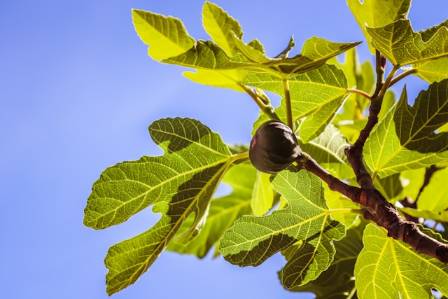
The name “Fiddle Leaf Fig” is sometimes used for two different plants: Ficus lyrata and Philodendron bipennifolium. It is common for one popular name to describe more than one species, and this is one such example. The care information below focuses on Ficus lyrata, the plant most often sold in garden centers and stores as a Fiddle Leaf Fig houseplant.
Rowan Pierce
Desk editor
Editor’s note
The full column continues in quiet type below.
Section
Sunday Broadsheet
The name “Fiddle Leaf Fig” is sometimes used for two different plants: Ficus lyrata and Philodendron bipennifolium. It is common for one popular name to describe more than one species, and this is one such example. The care information below focuses on Ficus lyrata, the plant most often sold in garden centers and stores as a Fiddle Leaf Fig houseplant.
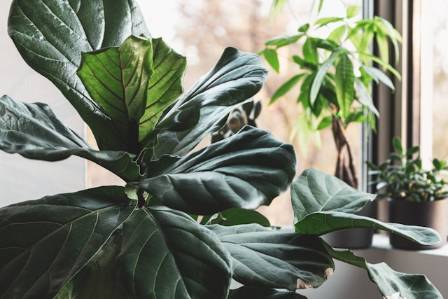
Fiddle leaf figs are known for being somewhat particular about their growing conditions. They need the right amount of light, humidity, and watering balance. They do not respond well to soil that stays too wet or becomes completely dry, and they dislike sudden temperature changes or drafts. The key to keeping them healthy is learning to recognize early signs of stress and adjusting care before problems become serious. With the proper environment and attention, these plants can become impressive indoor trees.
Location, Location, Location
Fiddle leaf figs need a bright area with plenty of natural light, and they especially enjoy gentle morning sunlight. When placed in the right spot, they can grow into tall, attractive plants with strong stems and large leaves.
When a fiddle leaf fig is unhappy, it will often show signs such as weak or stretched growth, thin stems, yellowing or browning leaves, dull foliage, leaf loss, and an overall decline in appearance. If your home does not provide enough bright light, this plant may not be the best choice for that location.
Fiddle leaf figs also dislike drafts, so keep them away from air vents, frequently opened doors, and cold or hot air currents.
A healthy fiddle leaf fig can eventually reach around 10 feet tall indoors. In mild coastal climates, an oversized plant can sometimes be moved outdoors to a protected area like a patio. If you do this, shield it from strong winds, intense sunlight that may scorch the leaves, and cold weather.
Watering Requirements
Watering is one of the most important parts of fiddle leaf fig care. Both giving too much water and not providing enough water can create problems.
Common signs of watering issues include yellow or brown leaves that fall before their time. It is usually better to water cautiously rather than too frequently.
Check the soil before watering. Give your plant a drink when the top two inches of soil feel dry. Water thoroughly, but never allow the container to remain in standing water after drainage. Excess moisture around the roots can lead to root rot and serious plant damage.
Fertilizing Your Fiddle Leaf Fig
Too much fertilizer can harm your plant and may cause the edges of the leaves to become scorched or brown.
Feed your fiddle leaf fig once or twice each year, preferably during spring and summer when the plant is actively growing. A standard indoor plant fertilizer works well when used correctly.
Always follow the product instructions and remember that applying extra fertilizer does not improve results. To reduce the risk of damaging the roots, using half the recommended amount is often a safer approach. Never exceed the dosage listed on the fertilizer label.
Humidity Needs
Because fiddle leaf figs naturally grow in tropical African rainforests, they prefer environments with higher-than-average humidity.
Low humidity can cause the edges of leaves to turn brown. Avoid placing your plant near heaters or other heat sources because these areas usually have very dry air.
To raise humidity levels, place several plants together to create a more humid microclimate. For especially valuable plants, adding a small humidifier nearby can also help maintain comfortable conditions.
Cleaning and General Maintenance
Regular grooming keeps fiddle leaf figs looking attractive and helps prevent problems.
Spray the leaves lightly with water and gently wipe them with a soft cloth to remove dust and dirt. If leaf edges have turned brown, carefully trim the damaged areas with scissors while following the natural shape of the leaf.
Remove any dead leaves and fallen foliage from the soil surface. Each time you water, inspect the plant for signs of insects or disease. Making this a regular habit allows you to identify and solve issues before they become severe.
For additional information about pests and diseases, consult reliable houseplant care resources.
Pruning Fiddle Leaf Figs
Fiddle leaf figs respond well to pruning and can be shaped to create a fuller appearance.
Removing the tips of new growth encourages the plant to produce more branches, resulting in a thicker and bushier form. When pruning, the cuts may release a white, milky sap. Clean the sap carefully and avoid allowing it to drip onto floors or furniture.
If the main trunk is cut back, the plant can produce new leaves from the remaining stem, helping create a more compact shape.
Propagating Fiddle Leaf Figs
Fiddle leaf figs can be grown from cuttings. One simple method is to take a stem tip cutting about 6 inches long with an attached leaf and place it in water until roots begin to develop.
Another propagation technique is air layering, which encourages roots to form on a section of the plant before it is separated and grown independently. With patience and proper care, new fiddle leaf fig plants can be created from an existing healthy plant.
More from the edition
Column · en
Common Kingfisher
The Common Kingfisher is among the most dazzling and cherished birds inhabiting rivers, lakes, and wetlands. Its brilliant plumage, swift diving techniques, and patient fishing behavior make it a favorite for birdwatchers and wildlife photographers alike. Despite its small stature, this bird demonstrates impressive skill, intelligence, and adaptability, distinguishing it from many other freshwater species.
Column · en
Starting Seeds Indoors
Starting plants from seed may feel intimidating when you first try it, but the advantages make the effort worthwhile for many home gardeners. Growing from seed gives you access to far more plant varieties than you may find at a local nursery, and it can also significantly reduce the cost of filling your garden.
Column · en
The Black-capped Chickadee: A Tiny Bird With a Remarkable Predator Warning System
Animal alarm calls are far more advanced than simple cries meaning “danger is nearby.”
Column · en
China’s 10 Best-preserved Ancient City Walls
China is a country filled with history, mystery, and inspiration. As one of the world’s oldest civilizations, it has preserved countless traces of its thousands of years of cultural development. Among these surviving treasures are numerous ancient city walls.
Column · en
Growing Hydrangeas
Hydrangeas are some of the most beloved flowering shrubs found in Massachusetts gardens. The famous “blue” hydrangea, also known as bigleaf hydrangea (Hydrangea macrophylla), has become one of the defining plants of Cape Cod landscapes. Whether planted along shrub borders, combined with perennial flowers, or displayed as a single specimen plant, hydrangeas bring impressive color and charm from summer through autumn.
Column · en
Hongya Cave: A Stunning Riverside Landmark in Chongqing
Hongya Cave, known as “Hongyadong” in Chinese, is situated along the riverside area where Cangbai Road meets the Yangtze River and Jialing River. The most distinctive feature of this famous attraction is its traditional stilted wooden architecture, which perfectly represents the architectural style of old Chongqing.