Sunday column
Choosing The Right Wall Clock For Your Home
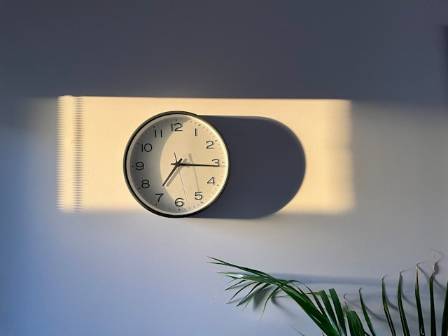
Wall clocks are more than just timekeeping devices—they play a significant role in home décor, blending function with style. A thoughtfully selected wall clock can become a standout element in any room, capturing attention while reflecting your personal taste. Beyond helping you track time, the right clock can uplift the overall atmosphere of your living space.
Arthur Fay
Desk editor
Editor’s note
The full column continues in quiet type below.
Section
Sunday Broadsheet
Wall clocks are more than just timekeeping devices—they play a significant role in home décor, blending function with style. A thoughtfully selected wall clock can become a standout element in any room, capturing attention while reflecting your personal taste. Beyond helping you track time, the right clock can uplift the overall atmosphere of your living space.
Why Wall Clocks Matter in Interior Design
Choosing a wall clock isn’t merely a practical decision; it’s an opportunity to enhance the visual appeal of a room. A clock that complements your existing décor contributes to a sense of balance and harmony.
By coordinating color schemes, materials, and design motifs, a wall clock can bring cohesion to a space while filling blank wall areas with personality and charm. With so many styles available—from minimalist and contemporary to vintage and ornate—you can find a piece that fits seamlessly into your home while showcasing your style.
How a Wall Clock Elevates Your Space
Selecting the right clock involves balancing size, design, material, and features, all aimed at enhancing your room’s aesthetic.
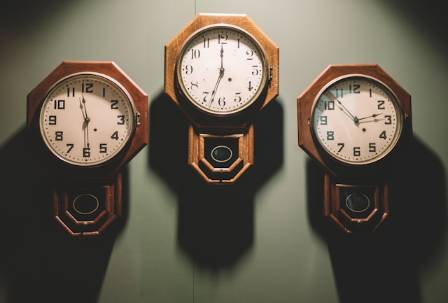
A large, antique-style clock on a bare brick wall adds character and serves as a nostalgic focal point, while a streamlined digital clock integrates effortlessly into a modern interior, offering simplicity and technological convenience.
Understanding how different clock types interact with your décor ensures that the piece not only keeps accurate time but also enriches your home environment, turning walls into visually engaging features.
Size and Proportion
Finding the appropriate size for your wall clock is crucial for visual harmony. Begin by measuring the wall space to determine a clock that feels proportional. Consider both height and width, along with nearby furniture or decorative elements.
As a guideline, aim for a clock diameter that is roughly one-fourth to one-third the width of the wall. This maintains balance without letting the clock dominate the room or fade into the background.
If surrounding furniture is large or statement pieces are nearby, choose a bigger clock that stands out. Conversely, in a room with many intricate details, opt for a simpler, understated design to avoid visual clutter.
Style and Design
Wall clocks are available in a variety of styles to suit different interiors.
Traditional clocks bring timeless charm with ornate details.
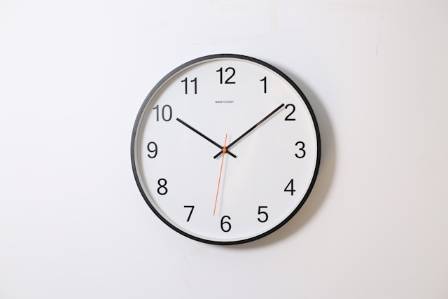
Modern clocks embrace minimalism with clean lines and simple shapes.
Vintage clocks add character through retro design elements.
Minimalist clocks focus on sleek forms with little decoration.
Matching the clock to your décor—considering color, material, and overall theme—creates a cohesive look. For instance, a contemporary room in neutral shades pairs beautifully with a modern clock, while a rustic space with wooden furniture is enhanced by a distressed wood vintage clock.
Functionality and Features
Both analog and digital clocks have unique advantages.
Analog clocks offer classic appeal and are ideal for traditional or retro-inspired interiors, often displaying hour, minute, and second hands.
Digital clocks provide precise time with easy-to-read numbers on LCD or LED displays.
Some wall clocks include extra features like date displays, indoor temperature gauges, or built-in chimes, adding convenience and style. These functional additions make the clock a practical and aesthetic centerpiece in your home.
Materials and Construction
Wood
Clocks crafted from oak, mahogany, or other woods bring warmth and elegance. Oak is durable with rich tones, while mahogany’s deep reddish-brown hue adds luxury. Wood enhances chimes and ticking acoustics while being lighter than metal alternatives.
Metal
Stainless steel, brass, and other metals create durable, stylish clocks. Steel offers a sleek, modern finish, while brass adds sophistication with its golden tone. Metal clocks often feature intricate designs that become decorative focal points.
Glass
From stained glass to tempered glass, this material adds visual intrigue. Stained glass introduces vibrant patterns, while tempered glass is durable and safe. Transparent glass can also reveal the clock’s inner mechanics, adding a unique aesthetic.
Specialty Clocks for Different Rooms
Kitchen Clocks
Designed for cooking spaces, these clocks may include timers and temperature displays, making it easier to manage meal preparation efficiently.
Bathroom Clocks
Water-resistant or waterproof materials ensure durability in humid conditions. Clear displays help you keep track of time while maintaining style.
Children’s Room Clocks
Fun, colorful designs help kids learn time while complementing their room décor. Many include silent movements or glow-in-the-dark features for a child-friendly experience.
Conclusion
Selecting the right wall clock requires considering size, style, material, and functionality. Specialty clocks for kitchens, bathrooms, or children’s rooms offer tailored features for each environment.
A well-chosen clock enhances your home by combining practical timekeeping with decorative impact. By carefully considering the design and placement, you can transform ordinary walls into visually appealing elements that reflect your style and meet your household’s needs.
More from the edition
Column · en
The Health Benefits of Regularly Consuming Raspberries
Raspberries are a wonderful addition to our diet, filled with a plethora of valuable nutrients that can bring about numerous positive impacts on our overall health. They come in various appealing colors and can be savored in multiple ways, whether eaten raw or incorporated into different culinary creations like smoothies and baked treats.
Column · en
The Most Beautiful and Magical Desert on Earth — Brazil’s Desert
The world is filled with extraordinary places and rare natural phenomena that seem almost impossible to imagine. One of these remarkable landscapes can be found in Brazil, where vast white sand dunes surround crystal-clear lagoons in shades of turquoise and blue-green. The water is so transparent that the bottom can often be seen, while fish and shrimp move beneath the surface. When the sun begins to set, the entire landscape takes on an even more spectacular appearance. The result looks almost like a paradise created on Earth.
Column · en
Best Electric Scooters for Speedy and Safe City Rides
Electric scooters have transformed from a trendy curiosity into a reliable way to zip through city streets. They’re portable, fun, and eco-friendly, but choosing the right one is key. Build quality, safety certifications, and ease of use all matter when deciding which scooter will carry you through daily commutes. Below are some standout models for 2025 that balance performance with practicality.
Column · en
The Evolution of Sushi: A Surprising Historical Journey
The global phenomenon of sushi—the combination of vinegared rice and fresh seafood—has a history that contradicts many modern assumptions. While today it is often viewed as a high-end Japanese delicacy, its roots trace back to ancient China, where it functioned as a preservation method rather than a fresh meal. Throughout the centuries, sushi has undergone radical transformations, evolving from a pungent, fermented street food into the diverse culinary art form enjoyed across the world today.
Column · en
Easy Sakura Jelly Recipe
There’s something magical about preserving the short-lived beauty of cherry blossoms—and Sakura Jelly captures that feeling perfectly. With its soft pink tones and gentle floral scent, each bite feels like a small tribute to spring. I first encountered this dessert during a peaceful afternoon tea, and its light sweetness and refreshing taste immediately stood out.
Column · en
Success with Succulents
Succulent plants have attracted the attention of gardeners for many years, and their popularity continues to grow. Their unique appearance, low water requirements, and ability to thrive in challenging conditions make them an excellent choice for places like Denver. Although growing succulents may seem intimidating at first, understanding their basic needs can help you create healthy plants that will impress visitors and neighbors.