Quiet Type Edition
NTnotedthesundy.com
← Back to desk4 min column
From Groceries to Gatherings: How China’s "Market Walk" is Redefining Urban Lifestyle

Sunday column

From Groceries to Gatherings: How China’s "Market Walk" is Redefining Urban Lifestyle

For Jin Lulu, returning home wasn’t just a homecoming—it was a revival. After studying abroad, she bypassed glossy malls to open a café at the entrance of the 30-year-old Gudang Market in Hangzhou. "I used to come here with my grandma," she recalls. "Opening a shop here now feels like wrapping myself in a warm, nostalgic memory."

S

Sebastian Hayes

Desk editor

Editor’s note

The full column continues in quiet type below.

Section

Sunday Broadsheet

For Jin Lulu, returning home wasn’t just a homecoming—it was a revival. After studying abroad, she bypassed glossy malls to open a café at the entrance of the 30-year-old Gudang Market in Hangzhou. "I used to come here with my grandma," she recalls. "Opening a shop here now feels like wrapping myself in a warm, nostalgic memory."
Located in western Hangzhou, Gudang Market has recently become a cultural hotspot. Pressed for time or not, young visitors wheel their suitcases through just for a quick stroll. According to Yu Hongmei, the market’s director, about 20% of the vendors are Gen Z or Millennials, injecting fresh energy into the aging space. "Our goal is to transform this traditional market into a community hub where every generation feels a sense of belonging."
Following a nine-month renovation in 2024, Gudang Market reopened with a modern, digital facelift that honors its nostalgic soul. Behind a striking retro façade, the space is bright and immaculate, featuring patterned tiles and geometric stained-glass windows. A massive digital screen at the entrance scrolls real-time data—stall counts, pricing, sales figures, and food safety test results—while individual stalls display QR codes for seamless payments and vendor profiles.
This phenomenon isn't isolated to Hangzhou. Across China, traditional "wet markets" are undergoing a renaissance, evolving into "internet-famous" destinations that fuel a nationwide trend: the "Market Walk."
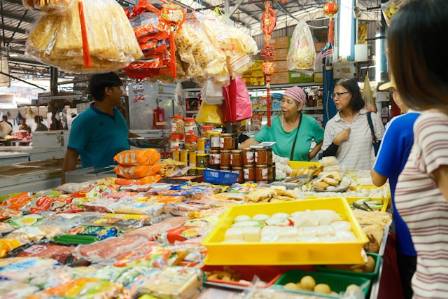
Today’s market experience is hybrid. Visitors browse bookstores, sip artisanal coffee, enjoy light meals, and discover handicrafts between aisles of fresh produce. This fusion satisfies both material needs and emotional desires. The shift is backed by policy; in 2024, nine government departments, including the Ministry of Commerce, issued an action plan supporting the standardization and renovation of these community pillars.
In Hengyang, Hunan, traditional markets have morphed into "smart markets" staffed with "vegetable doctors" who test produce for pesticides every morning. In Shenzhen, the historic Dongmen Market continues to serve local residents while attracting cross-border shoppers from Hong Kong.
"Exploring a local market is the best way to understand a city," shared users on social platforms. "It’s bustling, full of life, and rich in human connection." The trend has exploded online, with the hashtag MarketWalkGuide amassing nearly 120 million views and over 300,000 posts on the lifestyle platform Rednote.
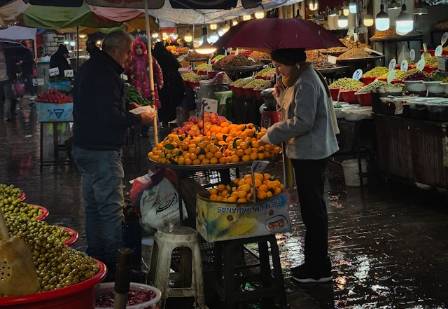
This is a stark contrast to the past, when these markets were often dismissed as "dirty and chaotic"—synonymous with wet floors, scattered leaves, and cacophonous vendor calls. Historically, however, these gatherings were the seeds from which Chinese cities grew. For decades, wet markets were the backbone of urban food distribution. While supermarkets and online grocery platforms have applied competitive pressure in recent years, the soul of the market has endured.
Industry estimates suggest tens of thousands of such markets remain nationwide, with Chengdu, Shanghai, and Chongqing hosting the highest concentrations. "Traditional markets must evolve to survive," warns Guan Jingjing, a professor at Zhejiang Gongshang University. She notes that spatial redesign, visual refreshes, and diversified business offerings are now critical to reversing declining foot traffic.
Hong Yumeng, a graduate of the China Academy of Art, translated this theory into practice with her thesis: a "Market Renovation Plan." Her proposal reimagines these spaces with logical zoning, engaging circulation paths, and thoughtful integration with the surrounding environment—completely dismantling the stereotype of dim, noisy chaos.
Hong believes young people are fatigued by standardized retail boxes. Markets redesigned with local character and high aesthetics satisfy their appetite for social sharing and immersive experiences. "The rise of wet markets among youth represents a fundamental reshaping of consumption habits," explains Wang Peng, an associate researcher at the Beijing Academy of Social Sciences. He emphasizes that these spaces offer an engaging, hands-on experience at a low cost.
Moreover, the daily bustle, the chatter in local dialects, and the intergenerational exchange of memories provide a vital emotional anchor. As China enters its 15th Five-Year Plan period (2026–2030), prioritizing the enhancement of public well-being, the evolution of these markets aligns perfectly with national goals.
However, experts caution that aesthetics should not overshadow function. "No matter how much they change, fresh produce, affordable prices, and convenience remain the foundation," Guan stresses. "That is how we retain our veteran vendors and continue serving our neighbors."
Key Trend Takeaway:​ The "Market Walk" is more than a shopping trip; it is a cultural activity that blends the authenticity of daily life with the curated aesthetics of modern consumption, proving that the heart of a city beats loudest where its people gather to eat, chat, and connect.

More from the edition

Column · en

Easy Indoor Plants for Beginners

Houseplants bring a refreshing sense of life to indoor spaces while also helping improve the atmosphere and brighten your mood. Even if gardening has never been your strength, you can still become a successful plant parent by starting with beginner-friendly indoor varieties and other low-maintenance houseplants.

Column · en

Seven Surprising Facts about Coral

When you picture the ocean, you may immediately think of vibrant coral reefs filled with remarkable colors, unusual shapes, and countless marine creatures. Although coral reefs are beautiful to look at, there is far more happening beneath the surface than their appearance suggests. Understanding what makes corals unique also helps us recognize why they are so important to protect, both for the health of our oceans and for the planet as a whole.

Column · en

How to Make Classic Tiramisu

Tiramisu is somewhat similar to an icebox cake, with layers of cookies and a creamy filling. However, it has a few defining elements that make it unique.

Column · en

All true spider monkeys are on the verge of extinction.

Spider monkeys belong to the genus Ateles and are easily recognized by their extremely long limbs and curved, hook-shaped hands.

Column · en

How to Care for Tulips After They Bloom — Ensuring Colorful Returns Each Spring

Tulips are iconic spring bloomers known for their bright colors and graceful shape. While they often shine in their first year, their ability to return strongly in following seasons depends on how you care for them after flowering. Here’s a complete guide to keeping tulips healthy and show-worthy year after year.

Column · en

Choosing The Right Wall Clock For Your Home

Wall clocks are more than just timekeeping devices—they play a significant role in home décor, blending function with style. A thoughtfully selected wall clock can become a standout element in any room, capturing attention while reflecting your personal taste. Beyond helping you track time, the right clock can uplift the overall atmosphere of your living space.